Humidity and Your Solid Wood Furniture: A Southeast Asia Owner’s Guide
I grew up in a Tampines HDB flat where my parents’ solid wood dining table creaked every rainy afternoon. Two decades later, visiting a friend’s Punggol condo last month, I watched her brand-new solid wood sofa inhale the post-dinner air and watched the lip of a drawer pull half a millimetre out of alignment before our eyes. If you live anywhere from Bedok to Bukit Timah, you live inside a slow, persistent climate experiment with your furniture. At MIDHILL, the workshop in Foshan sees those same diagrams by air freight every week — the 78–92% relative humidity swings that Singapore HDB flats and condos simply cannot avoid.
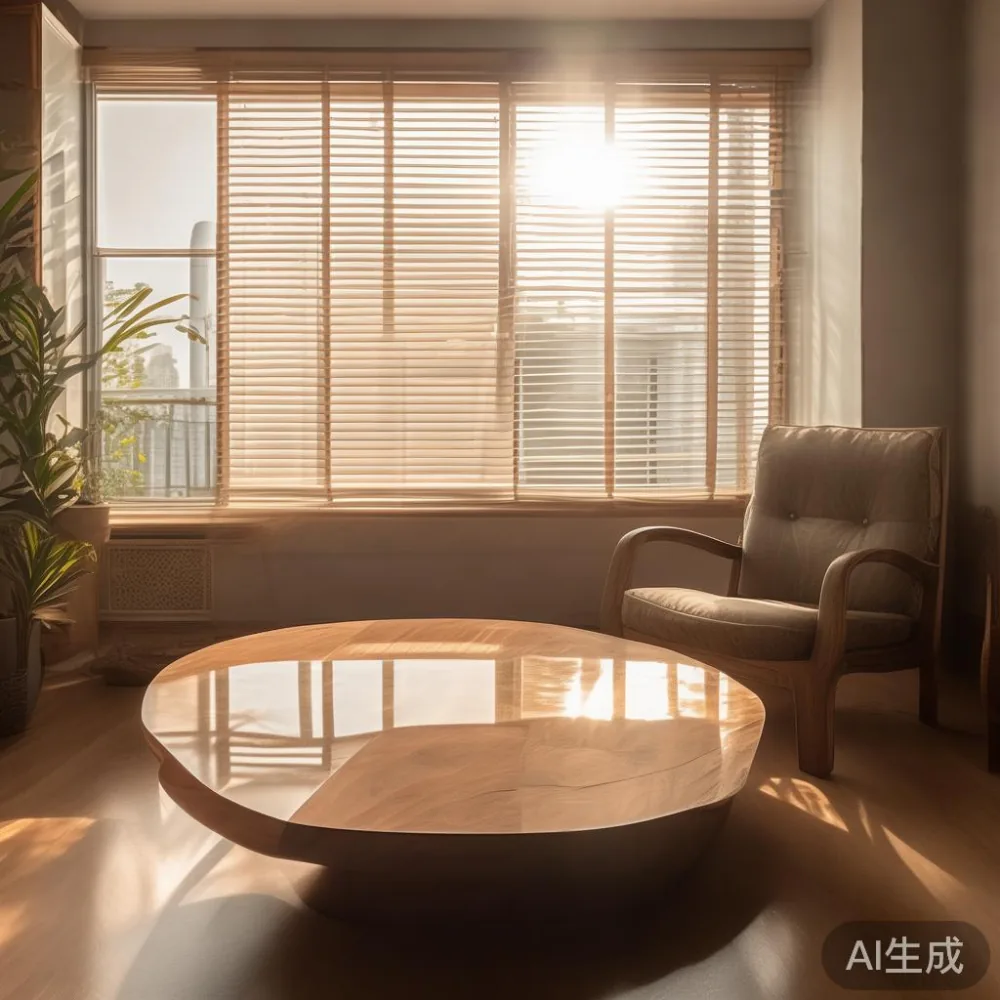
Why does wood furniture move so much in Singapore’s humidity?
Solid wood is a hygroscopic material. Each board absorbs and releases moisture depending on the room’s relative humidity, and the movement is measurable in millimetres. A 180 cm dining table top can change its width by 4–8 mm between February’s drier afternoons and November’s monsoon nights. Particleboard, by contrast, swells internally and never returns. So when shoppers ask why a 1,200 SGD solid wood dining table feels different under the hand from a 380 SGD flat-pack competitor, the honest answer is that the competitor is hiding its movement under a melamine skin; the solid wood table is showing you the physics openly.
The numbers matter for logistics too. A standard HDB corridor in Tampines is about 1.2 m wide, and a typical elevator cabin measures roughly 1.1 m deep with a 800 kg limit. Most MIDHILL dining tables ship knocked-down with parts under 30 kg per carton, so two strong adults can carry them in one trip without booking the cargo lift. That brings me to a quiet concern many buyers raise right after delivery: the package arrived and the missing parts count on the packing list does not match the carton. Do not panic. Keep the photo of the unopened carton, count the panels against the parts list, and contact the workshop within 48 hours — most suppliers resolve missing parts cases by sending only the small hardware bag, not the whole table.
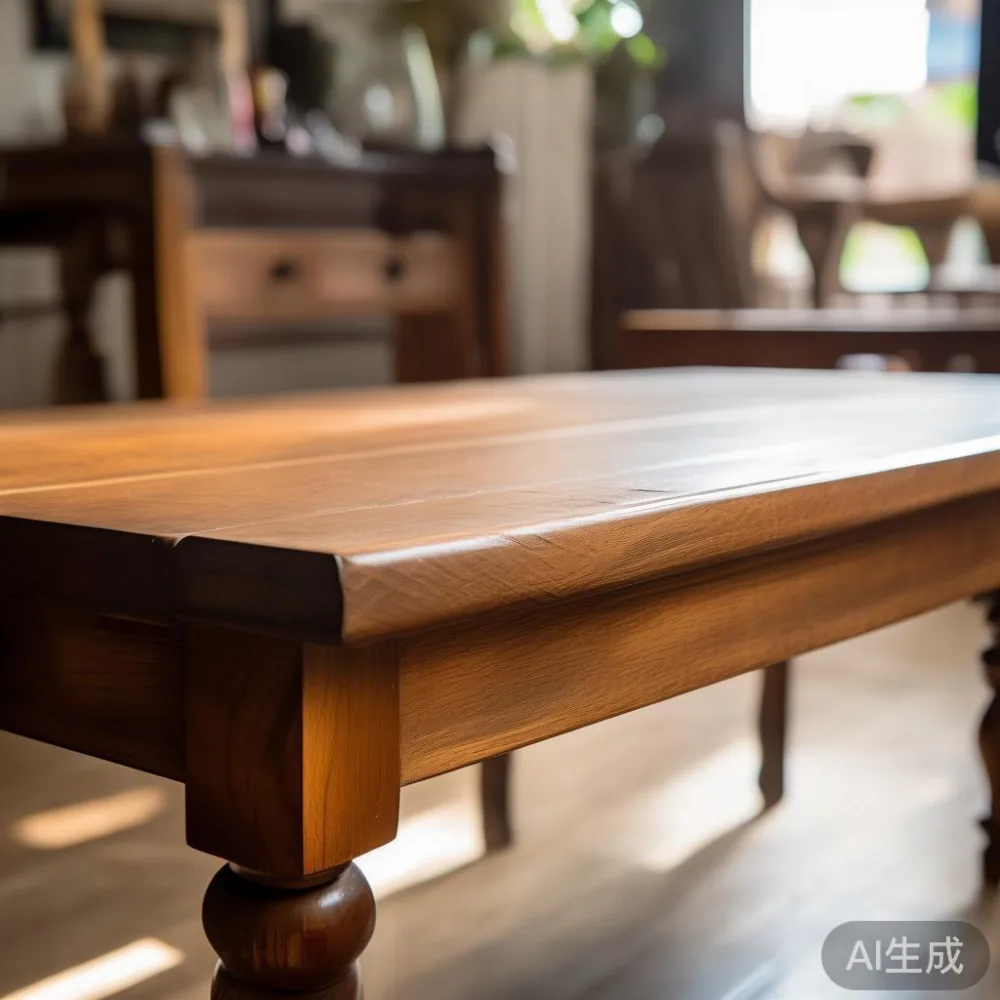
What relative humidity range keeps solid wood furniture stable?
Manufacturers kiln-dry solid wood to 8–12% moisture content, which roughly matches an indoor environment of 45–55% RH. Singapore bedrooms often sit at 65–75% RH. That 20-point gap is where movement happens. Keep the room between 55% and 70% RH and you will see almost no visible change. Above 75% RH for weeks, a 220 cm wardrobe door may cup 3–4 mm at the stile, and any exposed MDF shelf panel will start to sag at the centre.
A 60 SGD digital hygrometer from a Bedok Mall shop is the cheapest insurance you can buy. Pair it with a small dehumidifier (around 149 SGD for a 12-litre desiccant model). Run it for 4–6 hours overnight in the wardrobe room rather than the whole flat — wood likes steady air, not aggressive drying. If you are comparing options and wondering where to buy dining table from MIDHILL, look for suppliers who publish their kiln-dried moisture readings rather than leaving you to discover the behaviour yourself.
Is air-conditioning enough to protect a solid wood bed frame?
Usually, yes — with caveats. The air-conditioner in most three-room HDB flats runs 6–10 hours overnight, dropping the bedroom from 78% to about 62% RH. During those hours the wood rests. The risk window is the 7 a.m. to 8 p.m. stretch when the unit is off. If the bed frame sits 30 cm from a north-facing window that never gets direct sun, the local humidity can climb 8–12 points above the rest of the room because glass stays cool and condenses moisture. Move the nightstand 10 cm away from that window, or run the unit on dry mode for 30 minutes before sleep. A queen-size solid wood bed frame weighs 45–55 kg; a king-size 60–70 kg. Both need two people to shift, so plan the final position before assembly, not after.
How do I care for a French light luxury wardrobe in a tropical climate?
French light luxury pieces lean on oak or ash with a soft matte finish, decorative cornices and brass pulls. Those details look stunning but they double the surface area that humidity can affect. The brass will tarnish in months if you live 2 km from the coast in Pasir Ris or Changi; wipe the pulls every fortnight with a dry microfibre cloth, no chemical needed. For the panels, dust along the grain with a barely damp cloth, then dry immediately. Never use furniture polish containing silicone — it traps moisture and turns hazy within a wet season.
When buyers search for tips on how to style European light luxury wardrobe in bedroom, they often picture tall mirrors and velvet ottomans. Practically, the wardrobe wants 10–15 cm of airflow on the back panel. Push it 10 cm off the wall. Leave the doors cracked open for 20 minutes after you run the air-conditioner’s dry mode so any absorbed moisture can escape. A quick comparison that arrives in my inbox weekly: European light luxury sofa vs French provincial sofa — the European light luxury piece tends to use cleaner lines and lower backrests, which read larger in a 22 sqm HDB living room. The French provincial sofa has more carved timber visible on the arms, which catches dust more easily in a humid climate.
Will a marble table warp or stain in a Singapore condo?
Engineered marble and natural marble behave differently. A 120 cm MIDHILL marble dining table top is sealed at the factory, but the seal wears off within 12–18 months of household use. Coffee, soy sauce, and the calamansi juice squeezed onto seafood at home will etch the surface in seconds. Wipe spills within 2 minutes. For daily care, a pH-neutral stone cleaner (around 18 SGD a bottle) every fortnight keeps the patina. Skip vinegar, lemon, and bathroom cleaners — all three dull the seal within weeks.
Place felt pads under anything ceramic that sits on the marble table for more than a day. A pot of orchid, for example, traps humidity under the base and leaves a dark ring after 48 hours in a Tampines corner. Rotate the table’s centrepiece every few weeks so no single area is exposed for long.
What should I do right after delivery if something is missing or damaged?
Photograph the unopened carton on the pallet before you break the shrink wrap. Count every panel and every hardware bag against the packing list. If the list shows 14 panels and you received 13, you have a genuine missing parts case, not installer error. Email the supplier the same day with the carton photo, the parts list photo, and a photo of the panels laid out in order. Suppliers with a structured missing-parts protocol normally ship the small pieces in 7–14 days by air; large panels by sea in 30–45 days.
MIDHILL has shipped to Singapore since 2008 and the team is used to escalations. Their packing lists go down to the washer and the cam lock, which makes the audit quick. Free shipping kicks in over US$350 (about 480 SGD at today’s rate, before GST), so it is worth adding a nightstand or a small side table to clear the threshold rather than paying two delivery fees. The 14-day return window starts on the day the cartons clear customs, not the day you assemble the product, so keep the cartons flat and unbroken until you have fully counted.
How often should I refinish a solid wood piece that lives near the coast?
For a piece used indoors, a light refinish every 4–6 years is enough. For balcony or semi-outdoor pieces such as a bistro set, plan on every 18–30 months because UV and salt-loaded air strip the finish faster. MIDHILL offers a lifetime refinishing service for pieces bought directly, and the workshop charges freight at cost (around 220 SGD round-trip for a dining table to a Singapore forwarder). You handle the packaging; they handle the sanding, oiling, and re-coating.
Refinishing is not a repair — it is a tune-up. It removes the surface oxidation that makes oak look tired after a hot, wet year, and it lets you change the tone from natural oak to a light walnut without buying new furniture. Many Bedok and Punggol owners use refinishing as a renovation pivot rather than a damage response.
Can I assemble solid wood furniture myself in a HDB flat?
Yes, with planning. Most MIDHILL pieces arrive with an Allen key, a spanner, and a manual written for a 1.85 m tall carpenter, not a 1.60 m Singaporean HDB owner. Lay the panels on a clean bedsheet on the bedroom floor so you do not scratch the engineered timber underlay that HDB provides. A queen-size bed frame takes 90–120 minutes for two first-timers. A 6-seater dining table takes 75–90 minutes. A 4-door wardrobe takes 4–5 hours including the shelves and soft-close hinges.
Tools worth buying once: a 30 SGD cordless drill with a torque setting, a 14 SGD countersink bit, and a small magnetic tray for the screws so you do not lose any in the corridor carpet. If you do lose a screw, that becomes a missing-parts request to the workshop rather than a trip to a Tampines hardware shop. Bring a friend. Pay them with boba, not cash.
How do I pick the right wood species for a humid bedroom?
Teak and white oak are the two species most used in MIDHILL pieces bound for Southeast Asia. Teak resists moisture swings because of its natural oils and is the standard for outdoor pieces. White oak is slightly less oily but holds paint and stain beautifully and shows the classic light-luxury grain you see in European catalogues. Rubberwood is cheaper and common in flat-pack imports, but it moves more under humidity and tends to dent within a year of daily use.
Avoid soft pine for a bed frame in a child’s room. It marks easily, and humidity will dent it within months. If you are hunting for the best Rustic sofa for 2026, look for a solid wood base frame in oak or ash with a removable, washable cushion cover. Cushion foam works fine in Singapore; the issue is the base.
Is cheap French provincial furniture actually a good buy here?
It can be. “Cheap” and “good” only meet when the supplier has not cut corners on kiln-drying. Many factory-direct pieces in the French provincial style are made in Foshan and shipped direct, which is why you see 1,800 SGD dining sets online instead of 4,500 SGD boutique pieces. The visible difference is usually in the drawer slides and the back panel — a 9 mm plywood back is acceptable, a 3 mm MDF back will sag in two wet seasons. Ask the supplier which they use. The right answer from a quality workshop is 9 mm plywood or solid timber, never MDF on a back panel.
How should I budget for the real cost of a solid wood dining set in 2026?
Plan for the table plus chairs plus delivery plus 9% GST plus a 60 SGD hygrometer and a 149 SGD dehumidifier. A solid 6-seater oak dining table plus six chairs from a direct workshop typically lands between 2,600 and 3,800 SGD delivered. Add a marble accent piece if you want to lift the room — the MIDHILL line carries marble side tables from about 480 SGD landed. Two-piece orders usually qualify for free shipping, which absorbs the threshold before GST.
Storage matters too. Leave the cartons until the 14-day return window closes, but if you must break them down, photo every panel and number them with a marker. Photos are free insurance against any later missing-parts claim and often speed the resolution from weeks to days. Keep your invoice, the bill of lading, and the parts list together in a single email folder.
What is the single biggest mistake Singapore owners make with new wood furniture?
Placing it directly against an exterior wall. The temperature difference between a 24 °C HDB room and a 31 °C monsoon wall can drive condensation behind the wardrobe for a full month each year. Hold a 30 cm gap between any solid wood wardrobe and the wall, and you remove the moisture trap. The wardrobe looks lighter in the room and breathes better — a small design upgrade that costs nothing.
If you enjoyed this read, the team behind the pieces also publishes practical guides, including one on best Boho wardrobe for 2026 and another titled where to buy dining table from MIDHILL written for owners asking exactly these seasonal questions. Other regional readers often compare notes with buyers from places like Wuhan Lingzhan, where humidity profiles differ enough that the same care checklist needs tweaking. Local context like that turns a generic furniture manual into a Singapore-specific owner’s notebook — and saves a dining table from creaking through another rainy afternoon.