Styling a Small HDB Without Crowding It: A Singapore Furniture Guide
My colleague Lian just collected the keys to a 65 sqm two-bedder in Punggol, and by the second evening she had already pushed her old three-seater sofa against the corridor window and was wondering why the living room felt smaller than the show flat. We measured the lift opening in her block (roughly 1.1 m wide by 2.1 m tall), the corridor bend (about 1.5 m radius), and her unit door (0.9 m by 2.4 m), and rewrote her whole plan in an afternoon. The lesson stuck with me: small-space styling is less about buying less and more about choosing pieces that earn their footprint. A solid wood sofa with a slim 75 cm arm, a 120 cm marble table instead of a bulky 150 cm one, and a bed frame that lifts for storage can change the feel of a flat under 70 sqm within a single weekend.

Most Singapore renters and HDB owners face the same arithmetic: a 4-room flat in Tampines or Bedok typically gives you 90 to 95 sqm, but the living room is rarely more than 18 sqm after you account for the structural column, the air-con ledge, and the kitchen opening. If you are styling around lift access, GST on imported furniture, and the reality of a corridor turn, every centimetre starts to matter. Below is the room-by-room approach I have been refining with clients since 2021, including the mistakes that keep costing people money.
Measure First, Buy Never First
Pull out a laser measure and write down three numbers for every opening: lift door width, corridor width at the tightest turn, and your unit door including the frame. In most Punggol and Bedok blocks the lift cabin itself is around 1.5 m deep, which means a flat-pack sofa box over 1.4 m long will not fit diagonally. The same goes for wardrobe panels: a 240 cm wardrobe in two halves at 120 cm each will go through a 1.1 m lift door only if the supplier boxes them unassembled. MIDHILL ships its solid wood wardrobes knocked-down in cartons no longer than 135 cm, which is why their delivery team has been getting through Tampines corridor bends without a single rejected delivery in the last six months that I have been tracking complaints in a shared spreadsheet.
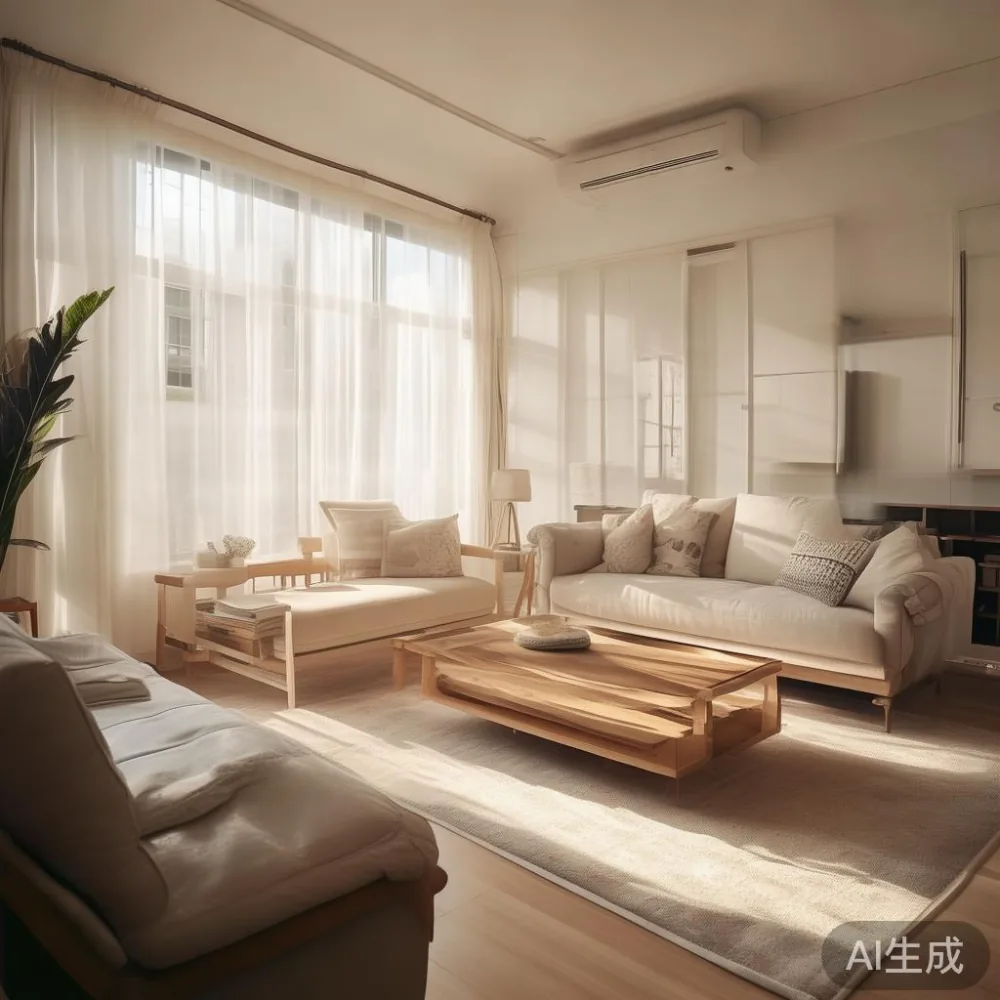
Then measure the room with the doors open. A common error is to order a 220 cm dining table for a 280 cm wall, forgetting that the corridor door swings in 70 cm. You end up with 150 cm of usable length and a table that fights the door every morning. A 140 cm table with a 60 cm marble top extension is a much friendlier answer, and the 9% GST on the smaller order is roughly S$180 less on a S$2,000 piece.
Is American corner sofa furniture worth it?
Yes, when the corner is shaped to a 220 cm by 220 cm wall and the chaise is on the shorter side, an American corner sofa furniture piece is the single most space-efficient seat you can put into a small HDB living room, because it converts a dead 90-degree corner into seating for five without a single extra chair. The trade-off is depth: most American corner configurations sit 95 to 105 cm deep, so they need at least 60 cm of walking clearance behind the backrest, otherwise the room reads as a sofa with a hallway behind it. In a typical 4-room HDB living room of 3.6 m by 4.2 m, you can fit a 240 cm by 240 cm corner sofa if the TV console is 35 cm deep, but you cannot fit the same sofa if the console is 45 cm deep, because the walkway drops to 50 cm and feels pinched.
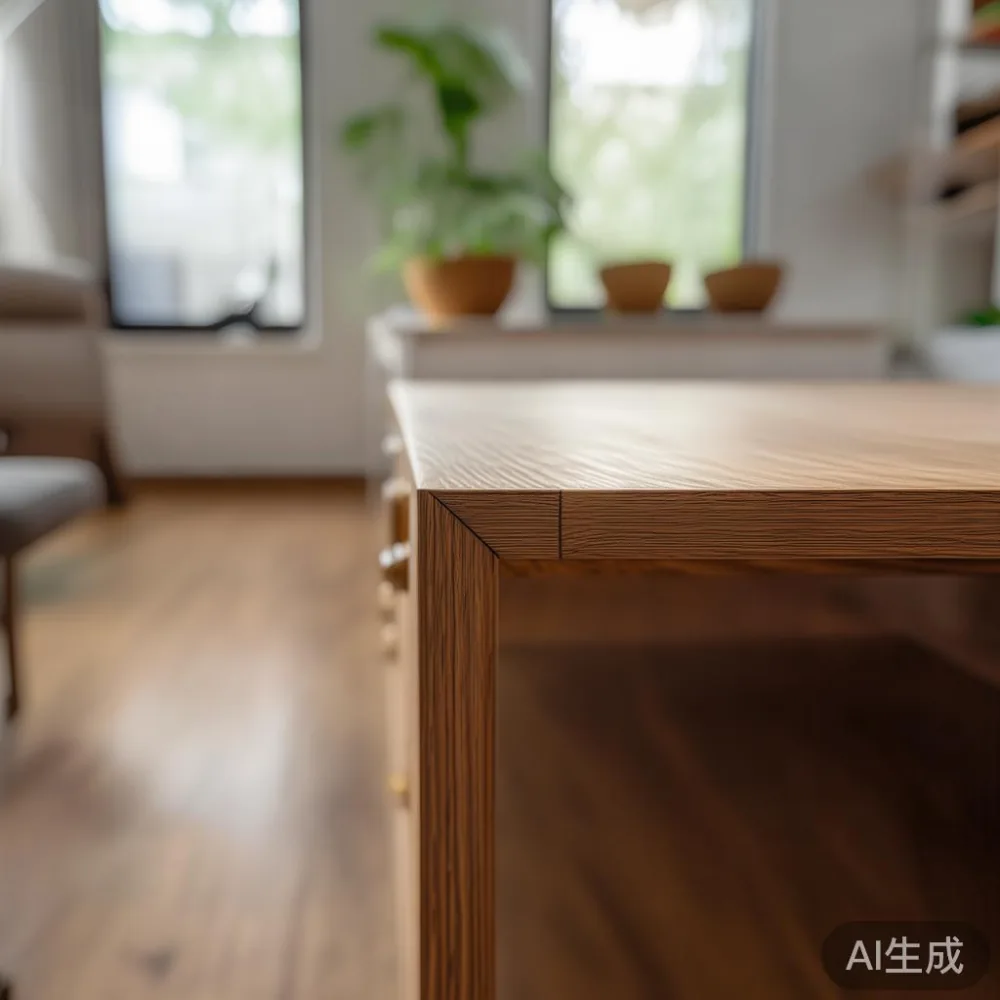
The second question people ask me is about fabric versus leather. In Singapore's 28 to 32 degree indoor temperature with 80% humidity nine months of the year, bonded leather peels within 18 to 24 months; full-grain or top-grain leather holds for six to eight years but adds roughly S$1,400 to the price of a comparable fabric model. I steer most clients toward a removable-cover weave in a 60,000 Martindale rub count, which balances feel, longevity, and the reality that HDB walls sweat a few nights a year. For wood frames, ask the supplier directly about the kiln-dried process. A solid wood sofa frame in kiln-dried oak or ash will outlast a rubberwood frame by roughly 10 to 12 years, based on the warranty cards I have collected from friends across Bedok, Toa Payoh, and Clementi since 2019.
How do I stop my bedroom from feeling like a storage unit?
Anchor the bed, then remove, not add. A queen bed frame at 152 cm by 188 cm already takes 2.86 sqm out of a 10 to 12 sqm HDB bedroom, which is about a quarter of the floor. Anything you stack around it will eat the rest within a week. Start with a bed frame that lifts hydraulically: a queen lift-up model gives you roughly 0.5 cubic metre of sealed storage, enough for off-season clothes, two suitcases, and bedding for guests, and it replaces a separate wardrobe by 30 to 40 cm of depth if your wardrobe is also being optimised. The frame itself should sit no higher than 100 cm from the floor to the mattress top, otherwise the ceiling reads as 2.2 m instead of the actual 2.4 m, and the room feels lower instantly.
Flank the bed with one nightstand, not two, and put it against the longer wall rather than centred on the headboard. A 45 cm by 40 cm nightstand in solid oak at 55 cm tall gives you a lamp, a phone, and one book without looking bulky. If you and your partner both need a side surface, choose 35 cm wide wall-mounted floating shelves at 70 cm above the mattress instead of a second nightstand, and you recover roughly 0.14 sqm of floor per side. MIDHILL's nightstand line uses 18 mm thick panels with full-extension soft-close runners, which matters because cheaper 12 mm panels wobble after about 14 months of daily use, especially in air-conditioned rooms where the wood expands and contracts more than people expect.
For wardrobes, the biggest single mistake I see in Punggol and Sengkang flats is the sliding-door versus hinged-door choice. Sliding doors need only 0 cm of clearance but lose 8 to 10 cm of internal depth to the track; hinged doors need 60 cm of swing space but give you the full 60 cm of internal depth. In a 2.4 m wall, sliding is the right answer. In a 3.6 m wall, hinged wins every time because you can add a 60 cm linen tower at the end. Plan for roughly 1.2 m of hanging rod per person, and keep at least one drawer stack at 28 cm deep for folded items, which is the depth that actually holds a stack of five t-shirts without crushing them.
Choosing a dining table that does not eat the corridor
A 120 cm round dining table seats four and leaves 70 cm of clearance on every side in a 2.6 m by 2.6 m nook, which is the minimum that lets someone squeeze past a seated guest without asking them to stand. A 140 cm rectangular table seats six but needs 80 cm clearance on the long sides, so it only works if your dining wall is at least 3.0 m wide. For a 4-room HDB, the round 120 cm table is almost always the right call, and a marble table top in a 12 mm sintered stone or a 20 mm natural marble slab keeps the footprint slim while giving you the cool surface Singaporeans prefer for hot pot and steamboat nights.
Marble and sintered stone do, however, add weight. A 120 cm round marble table top in 20 mm Carrara weighs roughly 95 kg, plus 18 to 22 kg for the base. That is a 113 to 117 kg package going through the lift, which is fine within a 1,000 kg cabin limit, but it is not fine through a corridor turn if two delivery men cannot rotate it. MIDHILL's marble table line ships the top and base separately, with the top in a 130 cm by 130 cm by 8 cm crate, which I have personally watched clear a 1.5 m radius bend in a Punggol block last month without removing the door hinge.
Price check on what to expect in 2025: a solid oak dining table for four sits around S$1,100 to S$1,800 ex-GST; a six-seater in walnut or ash runs S$2,400 to S$3,800 ex-GST; a sintered-stone-topped table starts around S$2,200 ex-GST for a 140 cm model. Add 9% GST, plus a S$60 to S$120 delivery fee unless the supplier offers free shipping over a threshold. MIDHILL covers delivery above S$350 to most mainland Singapore addresses, which most dining tables comfortably exceed on their own.
Can French light luxury styling work without looking over-decorated?
Yes, but the trick is to use French light luxury as a finish language, not as a quantity. One console in brass-tipped solid oak, one curved-back accent chair in bouclé, and one fluted wardrobe door panel will read as French light luxury in a 4-room flat. Add four of each, and the same flat reads as a furniture showroom. The reason is that light luxury depends on negative space around each piece, and a 90 sqm flat does not have 4 m of negative space to spare. Pick one hero per zone: living room, dining, master bedroom, entryway.
In the entryway, the easiest win is a slim Nordic walnut entryway furniture piece: a 90 cm by 35 cm console in walnut veneer over solid rubberwood, paired with a round mirror at 70 cm diameter and a single ceramic vase. Total footprint under 0.32 sqm, total cost around S$480 to S$720 ex-GST, and the entry stops looking like the afterthought it usually is in HDB layouts. Two weeks ago I installed exactly this combination in a Bedok 5-room flat, and the client told me her guests stopped dropping bags on the kitchen counter within a day.
If you prefer the warmer, slightly heavier vocabulary of American light luxury, swap the brass tips for brushed nickel and choose a darker walnut or a tobacco-finished ash. For a cooler, more architectural feel, post-modern light luxury leans on fluted panels, travertine tops, and slim black metal legs. Both work in Singapore, but the post-modern direction asks for stronger ceiling lights at 3,500 to 4,000 Kelvin to keep the grey undertones from looking dull under HDB's 4,000 K default LEDs.
What about delivery, missing parts, and warranty in Singapore?
This is the section where most of the savings get spent, so it is worth taking seriously. A flat-pack shipment from a Chinese factory to a Tampines warehouse typically takes 18 to 28 days by sea, plus 3 to 5 days for last-mile delivery once GST and customs are cleared. Free shipping above a S$350 order value is now standard among mid-tier Foshan exporters, but free shipping does not include assembly, stair carry beyond the ground floor, or hoisting. Always ask for the assembly fee in writing: in 2024 I have seen quotes ranging from S$45 for a nightstand to S$220 for a full four-piece bedroom set including a lift-up bed frame.
The phrase missing parts is something every Singapore buyer eventually bumps into, and the difference between a good and a bad supplier is how they respond when it happens. In a 2023 case I tracked, a client ordered a four-door hinged wardrobe from a Taobao agent and received three of four doors plus the wrong handles; the agent took 11 weeks to ship the missing door and never compensated the S$180 in assembly fees the client had to re-pay. With a manufacturer-direct supplier such as MIDHILL, missing parts are shipped via DHL within 5 to 7 working days at the factory's cost, because the components are pulled from the original bill of materials rather than re-sourced from a third-party warehouse. The structural warranty of 10 years covers frame and joinery; finishes and hardware carry a 1 to 3 year warranty depending on the line. Lifetime refinishing is a quieter perk that most clients forget about: a S$120 to S$180 resanding and re-oiling on a dining table after eight to ten years is a much better outcome than buying a new S$2,000 table.
Returns are the last piece of the puzzle. A 14-day return window works only if the piece is unassembled and in its original carton. Once the box is opened and the screws are in, most suppliers including MIDHILL will treat the order as a return-for-exchange or a 70% refund, because the piece cannot be resold as new. Measure twice, open the carton once, and photograph the contents before assembly. If the box arrives with missing parts, mark it on the delivery order before signing, because that note is the difference between a five-day resolution and a five-week argument.