Cost Comparison: Veneer vs. Solid Wood in Singapore Homes
Furniture buyers in Singapore often compare the purchase price of a solid wood dining table with a veneer table, but the real decision is what each option costs over five years. Veneer can deliver the appearance of oak, walnut or ash at a lower upfront price, while solid wood can be repaired, refinished and retained for decades. In compact HDB flats, where every centimetre and kilogram affects delivery and installation, that long-term calculation matters.

This comparison looks at five common furniture pieces: a solid wood sofa or sofa frame, bed frame, dining table, wardrobe and nightstand. It also considers wear, moisture, missing parts, repair labour and replacement cycles in humid Singapore conditions. Prices below are indicative SGD estimates for mid-range pieces with realistic dimensions and weights; local GST and delivery charges are included unless stated otherwise.
What does “missing parts” mean for a veneer or solid wood purchase?
Missing parts are not always a sign of poor quality. They can result from packaging damage, a carrier sorting error, an omitted accessory pack or a customer overlooking a component inside the carton. The practical question is how quickly the seller can identify the item, send the correct part and make the furniture usable again.
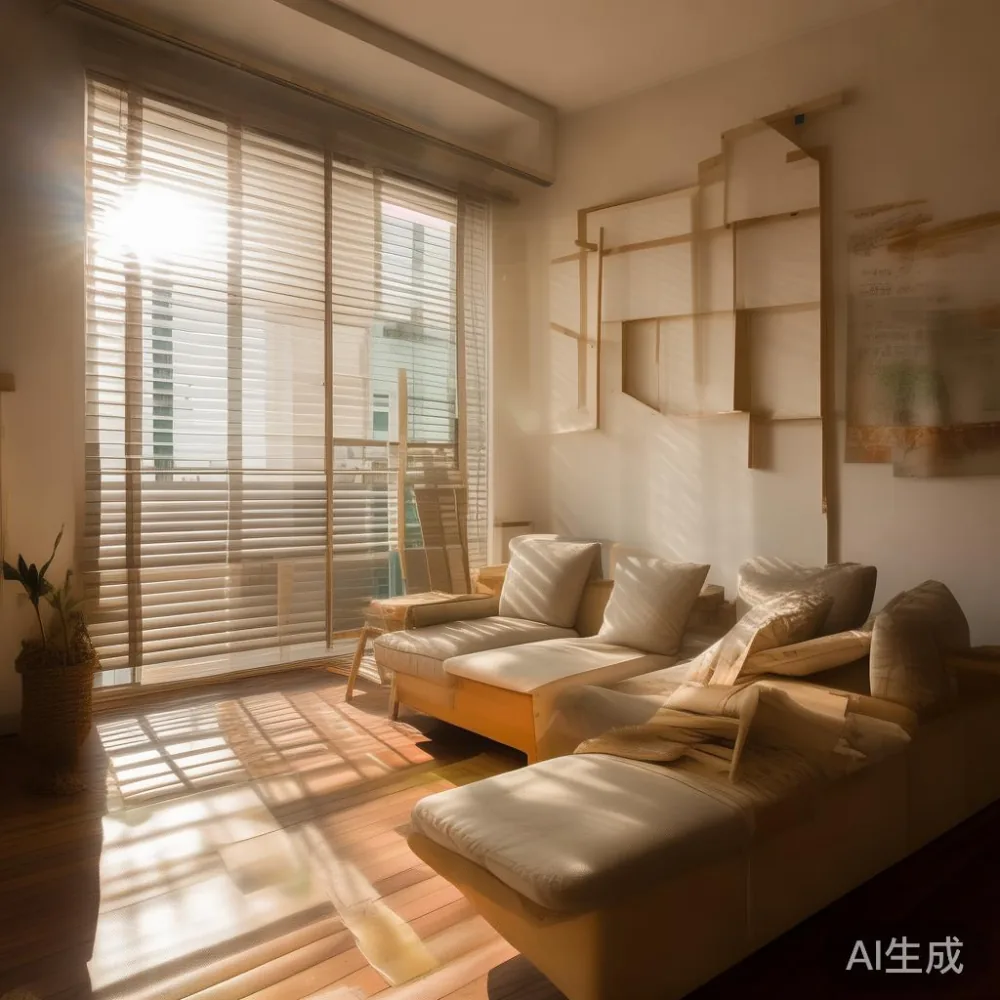
For example, a solid wood bed frame may arrive with 2 of 16 wooden dowels present, while a veneer wardrobe may be missing 4 of 12 shelf pins. The first issue requires timber components that may need machining; the second may be resolved with standard hardware. A clear invoice, exploded diagram and replacement process can prevent a small missing-parts problem from becoming a return.
MIDHILL includes inspection points before dispatch, and its 10-year structural warranty addresses defects in load-bearing construction. Its lifetime refinishing service adds a repair pathway for eligible solid wood products, although veneer repair depends on the veneer itself and substrate condition. Customers should still check every carton against the packing list within 3 days of delivery.
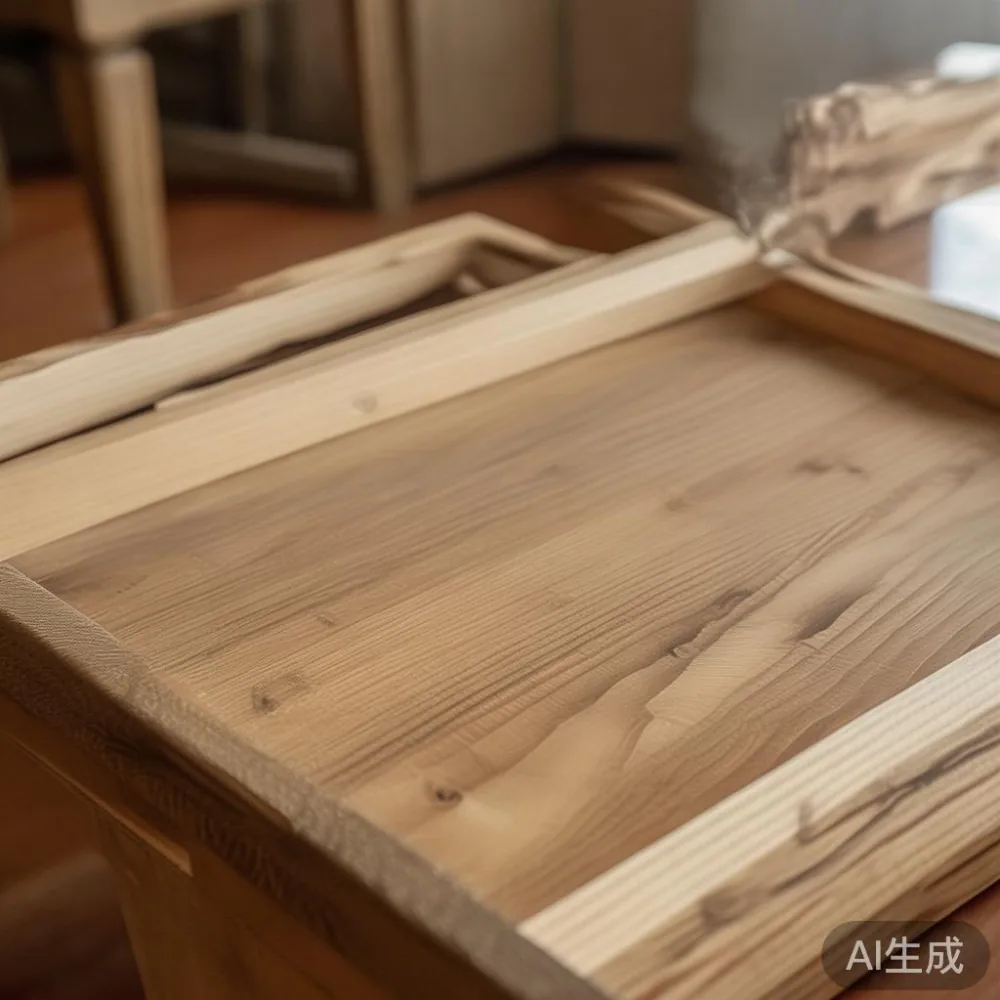
Which construction method costs less over 5 years?
Assume a veneer dining table costs SGD 1,280, delivery SGD 90 and 9% GST SGD 123. A comparable solid wood dining table costs SGD 2,150, delivery SGD 120 and GST SGD 204. The five-year veneer total begins at SGD 1,493, while the solid wood figure begins at SGD 2,474. That gap looks decisive until maintenance and replacement are added.
For the dining table, allow SGD 180 over five years for veneer edge lifting, minor scratches and one hardware replacement. Assume solid wood requires SGD 150 for sanding and refinishing, plus a possible SGD 90 leg repair. After five years, veneer reaches about SGD 1,673, compared with SGD 2,354 for solid wood. In this scenario, veneer remains less expensive, but solid wood retains more residual value and offers broader repair options.
The table dimensions used are 180 × 90 × 76 cm and 48 kg for veneer, or 56 kg for solid wood. The delivery took 7 to 12 days in the example because the furniture travelled by sea or road from the factory. A heavier solid wood table can also challenge lift access in older HDB blocks in Tampines or Bedok.
Is solid wood actually more economical for a bed frame?
A queen bed frame measuring 160 × 200 × 110 cm may weigh 52 kg in veneer and 68 kg in solid wood. A veneer version can cost SGD 980 before SGD 88 delivery and SGD 96 GST, giving SGD 1,164. A solid wood version can cost SGD 1,760, plus SGD 120 delivery and SGD 169 GST, giving SGD 2,049.
Over five years, allocate SGD 220 for veneer scratches, seam work and a replacement slat section. For solid wood, allow SGD 140 for sanding, a dowel reset and refinishing. The five-year totals become approximately SGD 1,384 and SGD 2,189. However, if the veneer bed has a major structural failure around year 4, its cumulative cost can jump by SGD 450 after labour and transport. Solid wood frames generally offer more repair routes when scratches expose the timber beneath.
This matters for Punggol and Tampinel HDB bedrooms, where a queen bed frame may need to turn through a 90 cm doorway and travel along a 120 cm corridor. Removing detachable rails reduces the turning radius to about 70 cm. A solid wood headboard may also weigh 18 kg, so two-person handling is sensible.
For design decisions, a search for European light luxury bed vs Nordic bed often leads to solid timber frames with restrained profiles, but veneer can reproduce the same silhouette. The material does not create the style on its own; joinery, proportions and upholstery determine whether the piece feels French light luxury, American light luxury or post-modern light luxury.
How do sofas and wardrobes change the 5-year maths?
A three-seat solid wood sofa frame measuring 220 × 95 × 82 cm can weigh 62 kg; a veneer frame can weigh 48 kg. Suppose the frames cost SGD 1,950 and SGD 1,260 respectively. Add SGD 150 delivery and GST at 9%. The solid wood frame starts around SGD 2,285, while the veneer frame starts at SGD 1,536.
Cushions and upholstery are excluded because their replacement cycle may be similar. Over five years, assume SGD 350 for fabric wear and SGD 80 for a frame repair on the solid wood sofa. For veneer, allow SGD 400 for fabric work and SGD 120 for substrate or joint work. Totals reach about SGD 2,715 and SGD 2,056. Solid wood becomes more economical if the base frame survives while the upholstery is changed more than once.
A solid wood sofa can be reupholstered more readily because the underlying timber remains visible and serviceable. Veneer may chip or peel around a fixing point, which can create visible missing-parts damage if a bracket has pulled away from the sheet material.
A 2-door wardrobe measuring 120 × 60 × 210 cm presents another scenario. Veneer may cost SGD 1,580, SGD 160 delivery and SGD 156 GST, for SGD 1,896 initially. Solid wood may cost SGD 2,680, SGD 190 delivery and SGD 258 GST, for SGD 3,128. After allowing SGD 240 for veneer edge repair and SGD 180 for solid wood refinishing, the totals are SGD 2,136 and SGD 3,308.
The weight difference can be substantial: approximately 54 kg for the veneer unit and 82 kg for solid wood. In a condo lift rated for 1,000 kg, both are manageable, but the solid wood wardrobe may require a dolly and 2 people. Before delivery, measure the lift door, landing and bedroom opening rather than relying on the building’s published size.
Which option suits a nightstand and a marble table?
A 45 × 40 × 55 cm nightstand may weigh 11 kg in veneer and 16 kg in solid wood. With delivery and GST, a veneer model can total SGD 390, compared with SGD 620 for solid wood. Over five years, a veneer unit may need SGD 60 for edge touch-up and a SGD 25 hinge replacement. Solid wood may need SGD 50 for sanding and oiling. The totals become SGD 475 and SGD 670.
At this small scale, price is only one part of the calculation. A veneer top with particleboard beneath may swell along an exposed edge if moisture reaches the core. A solid timber unit can be dried and refinished, although a water ring may still remain. Place either nightstand 5 cm away from an open window and away from an air-conditioning vent.
Marble tables require a different comparison because marble is not wood. A 120 × 70 × 45 cm marble table may weigh 54 kg, while a timber table with a marble top may weigh 68 kg. Marble care could total SGD 300 over five years for sealing and stain treatment; timber care could total SGD 180. Neither figure includes breakage, which can vary sharply by design.
For Singapore, consider the sourcing language used for Italian light luxury for hotel projects, where stone surfaces are common but hotel trolley routes and service elevators matter. A home dining room can use the same logic. The table should fit the 120 cm approach from a condominium dining area without forcing handlers to tilt it near a stairwell.
What happens after a scratch, spill or missing component?
The cheapest repair is not automatically the lowest five-year cost. Veneer may have a lower purchase price, but a deep scratch can expose the substrate, while an edge chip may not match the original grain perfectly. Solid wood can usually accept sanding, filler and a new finish, although colour matching takes time. A local touch-up may cost SGD 35 to SGD 80 for solid timber and SGD 25 to SGD 60 for veneer.
Water exposure changes both calculations. Singapore’s high humidity can cause veneer glue lines to weaken if a dining table is repeatedly wiped while wet. Solid wood can move slightly, but stable indoor conditions between 40% and 65% relative humidity reduce stress. Use a coaster with a 10 cm diameter beneath a drink and wipe spills within 5 minutes.
Missing-parts support should be specific. A seller should request the order number, a photograph of the fitting, and the area where the component should sit. A replacement dowel can be dispatched within 3 to 7 days, while a custom solid timber part may take 10 to 15 days. MIDHILL’s 14-day return policy gives buyers a defined period to report delivery issues, and free shipping applies above US$350, with the applicable international shipping terms checked before purchase.
Do not assume a warranty covers every visual issue. A structural warranty protects eligible load-bearing failures; finish wear, accidental impact and moisture damage may require assessment. Read the care instructions before signing for delivery.
How should Singapore buyers compare veneer and solid wood over 5 years?
Use a worksheet with five columns: purchase price, delivery, GST, projected repairs and expected resale or reuse value. For every item, record the cm dimensions, kg weight, access route and delivery estimate in days. A model with a low initial price may cost more if it needs an extra repair in year 3.
Veneer can be sensible for wardrobes, secondary storage and occasional dining tables when the budget is limited. Solid wood is more practical for a frequently used dining table, a bed frame that children climb around, or a nightstand exposed to frequent handling. These are use-based choices rather than quality labels.
Light-luxury buyers can compare references for top 10 French furniture, European sofa vs French provincial sofa, and how to choose Mid-century modern sofa. Finish samples, frame construction and comfort should outweigh a veneer-versus-solid label. For industrial for dining room projects, metal fasteners and a clear load rating may matter more than the species name on the marketing page.
Last month I visited a colleague’s three-room HDB flat in Bedok with a 14 kg solid wood nightstand whose drawer runner had broken. The runner was missing, but MIDHILL sent a replacement within 4 days, and I watched the drawer reopen without disturbing the surrounding finish. In the same week, the family considered a veneer dining table; the lower quote looked attractive, yet a 12 kg solid wood table already in the living room had survived 4 years of daily use and could be moved with 2 people.
My practical conclusion is narrower than “solid wood wins.” Over five years, veneer can remain the lower-cost option for less demanding pieces, while solid wood often gains value through repair and refinishing. Inspect the actual construction, compare the five-year totals, and ensure missing parts can be replaced promptly before accepting delivery.