Caring for Lacquered Solid Wood Furniture in a Singapore HDB: A Practical Guide for Tropical Homes
I spent last Saturday morning at my cousin Priya's new 4-room BTO in Punggol, watching her run a microfiber cloth over a 2-metre solid wood dining table she had just unboxed. The lacquer looked immaculate in the showflat at Jurong East, but three weeks into her move, hairline patches had appeared near the window where the afternoon sun hits between 2 pm and 5 pm. Her air-con runs at 24°C, the ceiling fan is on medium, and the HDB corridor humidity that bleeds in every time the main door opens is something the showroom never mentioned. Singapore's average relative humidity sits at 78–82% year-round, and lacquer — that thin, glossy polymer film sealing the wood — reacts to that environment more dramatically than the oak or ash underneath. After we wiped the table with a barely damp cloth, opened the windows for cross-ventilation, and moved her rubber plant 60 cm away from the leg, the conversation turned into a 90-minute session about caring for lacquered surfaces in a tropical climate. What follows is everything I wish every new solid wood furniture owner here knew on day one.
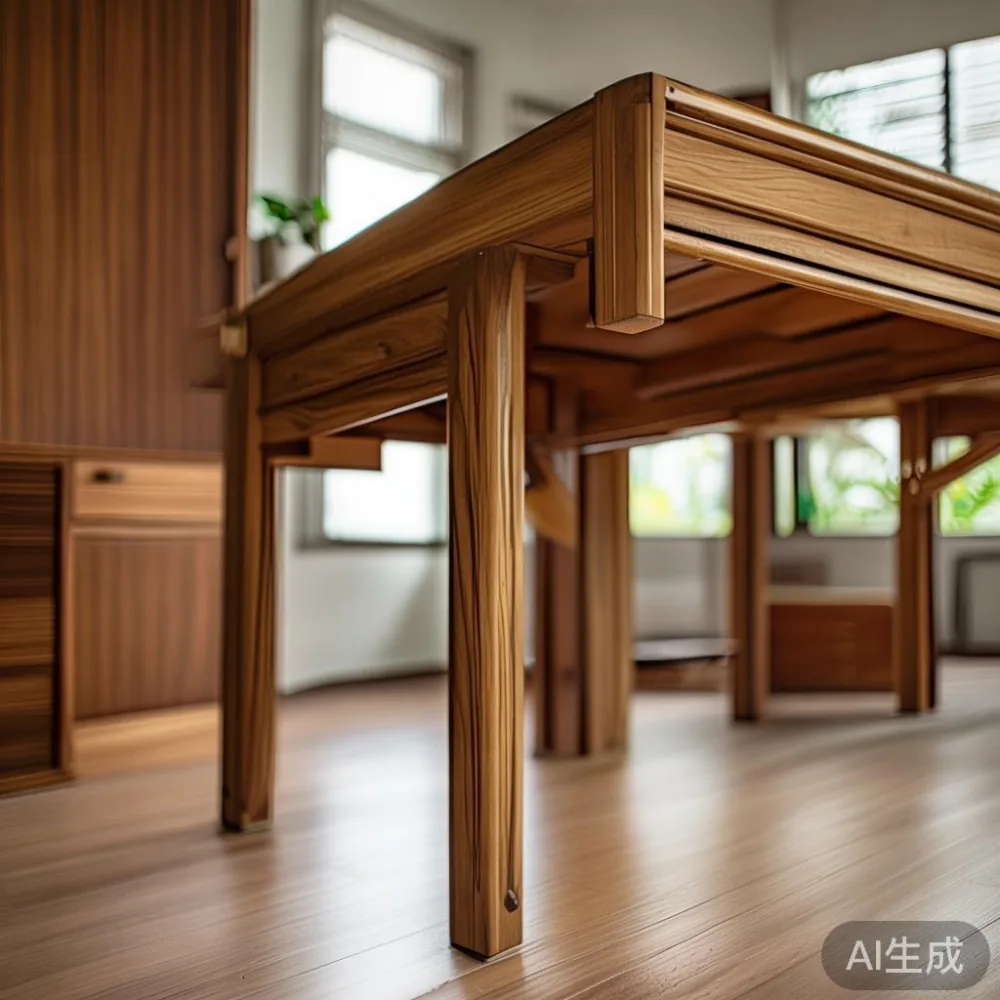
Why does lacquer behave differently in Singapore's tropical climate?
Lacquer is a cured film, not a penetrating oil. When ambient moisture climbs, the wood beneath the film swells; when air-con pulls moisture down to 55%, the wood shrinks. The lacquer does neither — it stretches, then springs back, then stretches again. After a few hundred cycles you get micro-cracks that look like dried riverbeds on a 1.8 m bed frame headboard. Add direct UV from an unshaded west-facing window and the breakdown accelerates. MIDHILL finishes its dining tables, wardrobes, and nightstands with a multi-coat NC lacquer cured at 22°C in a humidity-controlled booth at its Foshan facility, which keeps the initial seal stable for the first 18–24 months even after a 14-day container crossing from Guangzhou to Singapore. The brand publishes a 10-year structural warranty for the joinery underneath that film, but the lacquer itself is the part you maintain.
What humidity level should I keep my HDB flat at to protect lacquered pieces?
Target 55–65% relative humidity, measured with a SGD 12 hygrometer from any Tampines Mall electronics shop. Below 50%, solid wood shrinks fast enough to open visible gaps at the joints of a French light luxury-style bed frame; above 70%, the lacquer can blush — turn milky white — within a single humid week. Pair your air-con with a SGD 280–380 dehumidifier set to 60% for the bedroom, and run it 4–6 hours overnight. If you live on a high floor in a Punggol or Bedok BTO with cross-ventilation, you can usually skip the dehumidifier and rely on the fan and open windows between 9 am and 11 am, when outdoor humidity often dips below 70%. A 1.2 m solid wood nightstand placed 30 cm from a constantly-running air-con vent will dry out unevenly; rotate its position 90° every fortnight so the grain ages uniformly.
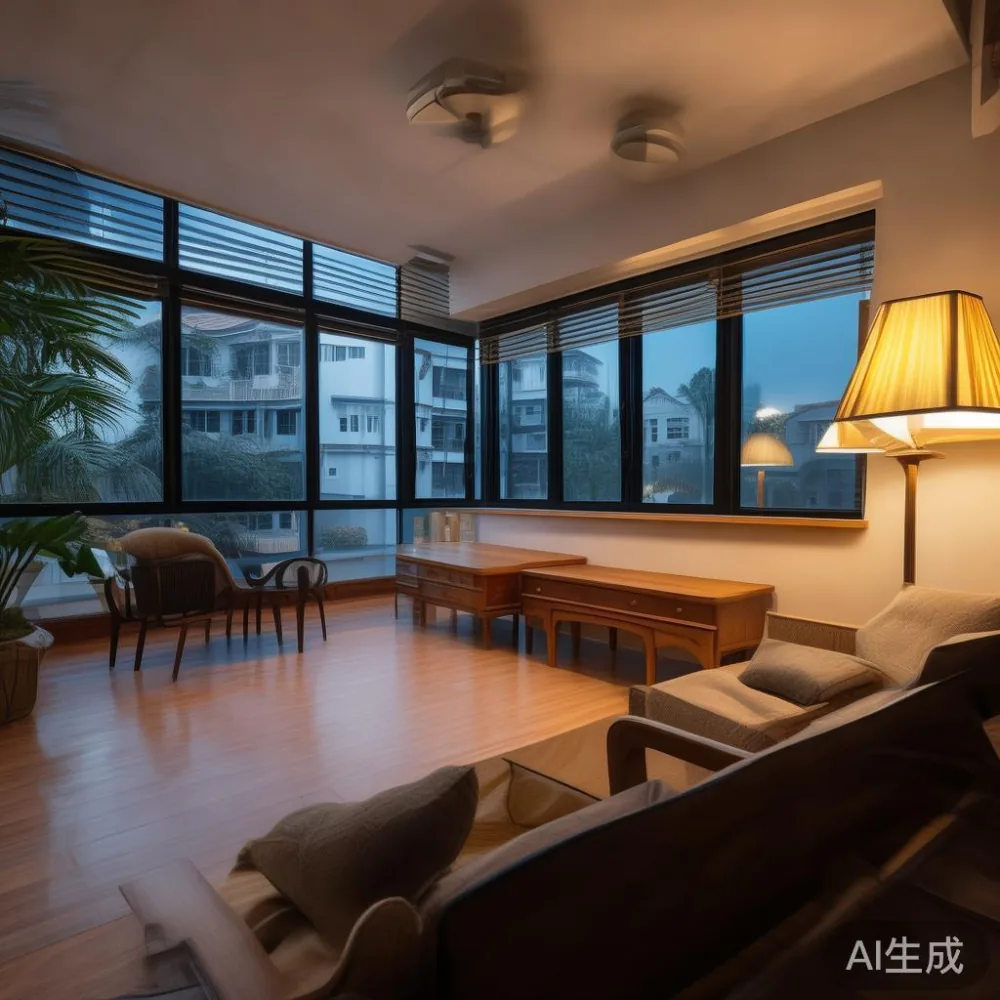
How do I clean a lacquered dining table without ruining the finish?
Use a damp (never wet) microfiber cloth, wrung until no drops fall, plus a few drops of pH-neutral wood soap that costs around SGD 22 for 500 ml. Wipe in the direction of the grain, then immediately buff dry with a second cloth. Never use citrus sprays, vinegar solutions, silicone polishes, or magic erasers — they all strip the topcoat. For sticky patches (think curry spills from a Friday dinner), rest the damp cloth on the spot for 60 seconds before wiping. For water rings under a marble table lamp base, mix a paste of baking soda and water, apply with a soft cloth in straight lines, and wipe off within 30 seconds. Last month I visited a friend's Tampines condo where a 2.4 m American light luxury-style dining table had white halos under six glasses; the baking soda method removed five of them in under ten minutes, and the sixth needed a second pass.
How do I choose a bean bag for a living room?
Choose a bean bag for a living room by first measuring the floor space you can dedicate to it — most adults need at least 90 cm × 90 cm of clearance — and then matching the fill weight in kg to the primary user (around 0.8 kg of EPS beads per 10 kg of body weight for ergonomic support). For a 70 kg adult that translates to roughly 5.6 kg of beans inside a 100-litre liner, which holds its shape for 3–4 months before needing a top-up. Pick a cover fabric you can actually wash at 30°C in your HDB's common laundry area, and confirm the inner liner has a child-safe zip. If your living room already holds a heavy solid wood sofa in a post-modern light luxury silhouette, choose a bean bag in a contrasting neutral so the two pieces read as separate visual anchors instead of competing textures.

Can I place a lacquered wardrobe near my bathroom door or kitchen?
Keep lacquered wardrobes at least 80 cm away from any steam source — that includes the bathroom door, the kitchen cooker hood, and even the dryer vent if your laundry is enclosed. Steam carries micro-droplets of oil and soap that deposit on lacquer as a dull film within a week. My colleague's 2-door wardrobe in a Bedok reservoir-link flat sits 120 cm from the bathroom door, and after two years the side facing the bathroom still has the original sheen, while the opposite side has yellowed slightly from sun exposure through the service yard window. If your wardrobe must sit closer, install a SGD 45 magnetic weather strip on the bathroom door and run the cooker hood on high every time you stir-fry. For the kitchen side, a lacquered sideboard or console should sit at least 90 cm from the edge of the countertop to avoid splash damage during dishwashing.
How do I handle small scratches, dull spots, or missing parts on a lacquered surface?
For surface scratches under 5 cm, a furniture touch-up marker in the matching wood tone (SGD 8–14, available at Seletar Hills furniture shops and online) will hide 80% of the mark once sealed with a dab of clear paste wax. For dull patches the size of a 50-cent coin, buff with a soft cloth and a pea-sized amount of paste wax, working in 15-second circles. MIDHILL offers a lifetime refinishing service for customers who ship pieces back to its Foshan workshop — the round-trip logistics from Singapore typically cost SGD 380–520 for a single nightstand, including crating, and the refinish itself is free for verified buyers. If your order arrived with missing parts such as a replacement drawer pull, a cam lock, or a felt pad, MIDHILL dispatches replacements from its regional warehouse within 5–7 working days at no charge, provided you send a photo of the parts list with the missing items circled in red within 14 days of delivery — a detail worth remembering before you start any DIY repair.
What about sunlight, air-con drafts, and the way I move pieces around the flat?
UV is lacquer's slowest and most aggressive enemy. A lacquered solid wood sofa placed within 1.5 m of an unshaded west-facing window will show visible ambering on the armrest within nine months. Hang a 90% blackout curtain (around SGD 65 per panel at a Bedok fabric shop) on any window that gets more than three hours of direct afternoon light. Air-con drafts are quieter threats — they dehydrate the wood at the contact patch only, leading to one dry side and one normal side on a bed frame. If you must place a piece under a vent, redirect the louvre 30° away from the wood and run the fan on auto, not high. When you rearrange, lift, never drag — a 60 kg solid wood dining table dragged 20 cm across HDB tile will shear the lacquer at every leg joint. Felt pads (SGD 6 for a pack of 16) on every leg reduce friction and let you slide pieces safely during your quarterly cleaning.
How often should I do a deep condition, and what products are worth the money?
Deep condition every 90 days. The honest answer is that you do not need much: a 250 ml tin of clear paste wax (SGD 28–35) lasts a typical four-piece bedroom set — one bed frame, two nightstands, one wardrobe — for almost two years. Apply with a soft cloth, wait 20 minutes, buff off. Skip the silicone-based polishes sold at car-care shops, skip the olive-oil-and-vinegar hacks from social media, and skip anything that promises a "wet look" in a single wipe — those products contain silicone that builds up and refuses to accept a real refinish later. If your home runs hot and humid nine months of the year, halve the interval to 45 days for any piece sitting within 3 m of a frequently opened balcony door. A lacquered marble table in your dining area, by the way, needs the same wax schedule on the wood border and a separate marble sealer (SGD 30 for 250 ml) on the stone top every six months.
Quick reference: numbers to remember before your next furniture purchase
Keep these figures handy when you spec out your next solid wood piece: target humidity 55–65%, ideal room temperature 23–26°C, minimum distance from a steam source 80 cm, minimum distance from direct UV 1.5 m, felt pad quantity 4 per chair and 6 per bed, touch-up marker budget SGD 10, paste wax budget SGD 30, dehumidifier budget SGD 280–380, refinish logistics SGD 380–520, missing parts claim window 14 days, replacement parts delivery 5–7 working days. Singapore HDB lift doors measure roughly 90 cm wide by 2 m tall, which is why most flat-pack wardrobes ship in two boxes under 25 kg each — anything heavier usually means a paid handyman at SGD 60–80 per floor for the carry-up, something to factor when a Nordic sofa bed saudi arabia-style import arrives in a single 48 kg carton. With these numbers in your pocket, a lacquered dining table will look as glossy in year eight as it did the day you unboxed it, and a missing parts claim — should one ever arise — becomes a 10-minute email rather than a six-week argument.