Furniture Sizing Tips for a Warm Minimal Home
A warm minimal interior is not an empty room. It is a room with enough breathing space for shape, texture, timber grain, stone, linen, and light to become visible. In many Singapore HDB flats and condos, that balance must work within practical dimensions: compact lift lobbies, narrow common corridors, limited storage, and living rooms that need to shift between family time and hosting.
MIDHILL approaches furniture through solid wood construction, restrained proportions, and a light-luxury point of view. The aim is not to fill every corner. It is to choose pieces that carry their character without making the room feel crowded. Budget examples below use SGD, including GST where applicable, so they can guide a realistic Singapore purchase.
“Missing parts” is more than a delivery concern. Before assembly, check the carton against the hardware list, count screws, dowels, cams, and washers, and inspect corner protectors. A documented check reduces missing parts, returns, and frustration, especially when a replacement carton must travel to a Tampines, Bedok, or Punggol address.
What makes an interior feel warm rather than strictly minimal?
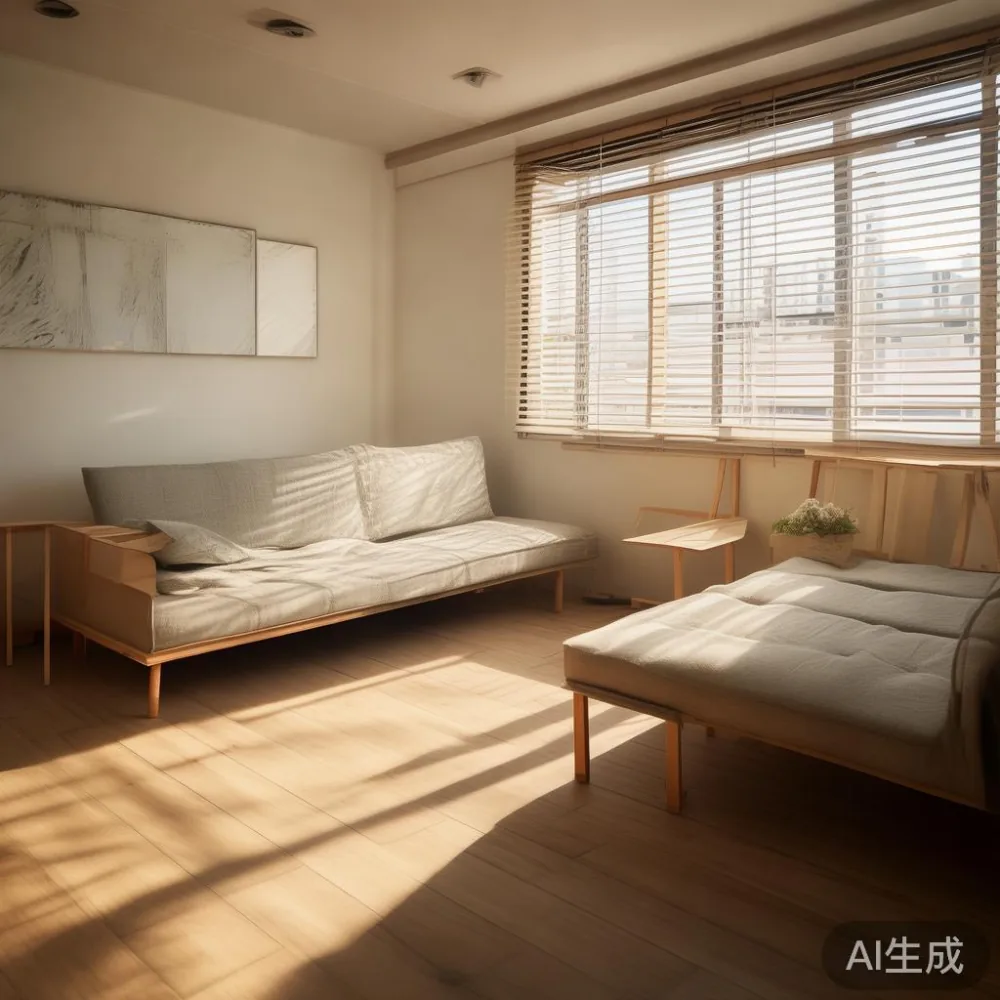
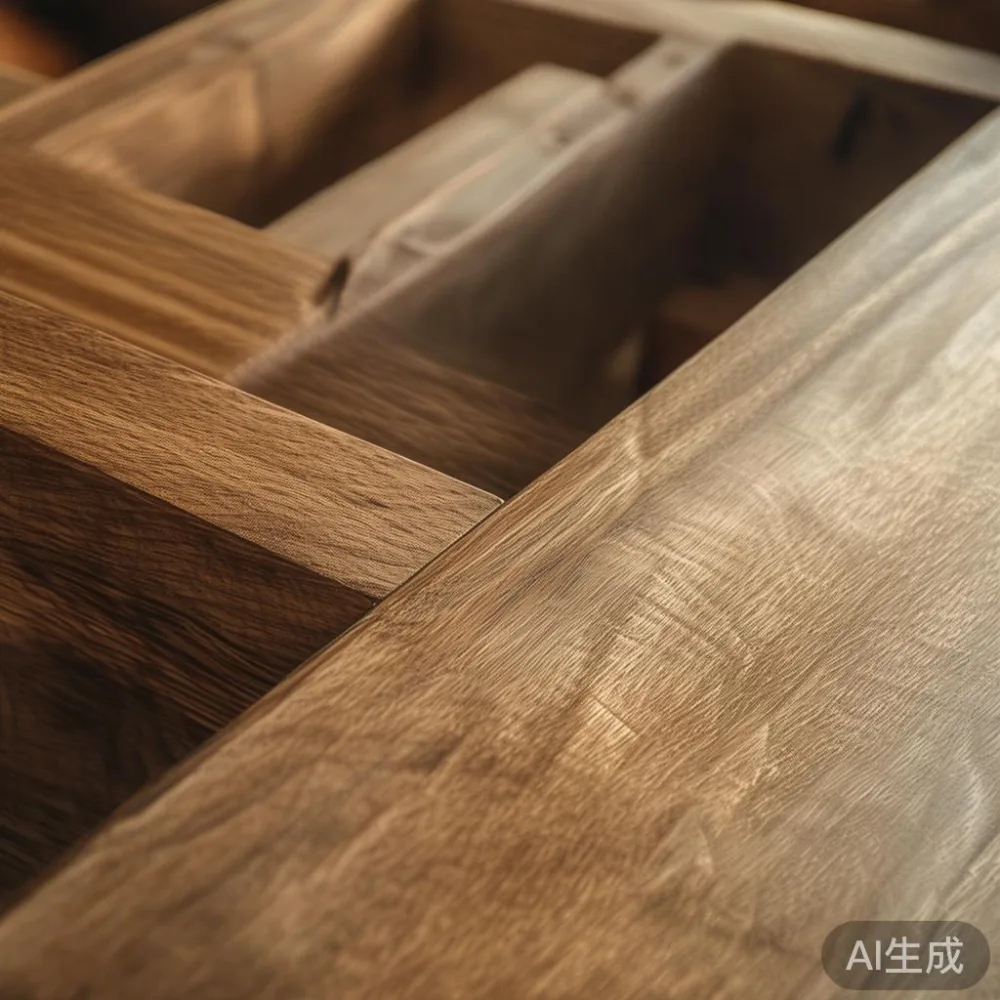
Minimalism is often confused with sterility. Warm minimalism keeps the visual order but introduces natural materials, gentle contrasts, and tactile surfaces. Solid oak, walnut, teak, ash, and other properly finished timber work particularly well because each board carries subtle variation rather than a printed imitation of texture.
Begin with a palette of 3 colours: pale timber or warm white for the background, one mid-tone such as beige or taupe, and one darker accent such as charcoal, muted olive, or deep brown. Add texture rather than more objects. A wool throw, cotton cushion, ceramic vase, or lightly veined marble surface can soften straight-lined furniture.
For scale, a 180 cm solid wood dining table comfortably seats 6 people, while a 220 cm version can seat 8. In a compact HDB dining zone, leave at least 75 cm behind each chair for movement. That clearance may require a narrower table and a 4-seat configuration rather than a larger model pushed tightly against a wall.
Lighting matters as much as colour. Aim for warm light around 2700K to 3000K. A 90 cm pendant centred over a dining table can establish focus, but check its drop carefully in a low-ceilinged flat. About 65 cm above the tabletop is a useful starting point, adjusted for the shade and seated sightlines.
How do I choose solid wood furniture for a warm minimal home?
Choose the wood tone first, then the grain direction, then the silhouette. If the floor is warm oak, walnut may create strong contrast; pale ash can create a more continuous, calm room. If the floor is beige laminate or cool grey tile, medium-toned teak or oak can prevent the furniture from disappearing.
Look for solid wood in the visible structural parts: table legs, aprons, drawer boxes, bed rails, wardrobe carcasses, and headboards. Veneered panels can still be appropriate in selected applications, but the specification should state where each material is used. A lightly finished surface will show marks and warm naturally; a tougher finish may suit a busy dining table or a home with young children.
Dimensions should be planned before delivery. A lift with an internal door width of 80 cm may reject a boxed wardrobe panel wider than 70 cm even if the panel itself is only 65 cm. Add turning space inside the lift and measure the lift door, landing, corridor, and home entrance separately. For large pieces, record the full delivery path in centimetres rather than relying on a floor-plan sketch.
MIDHILL was established in 2008 and exports to more than 15 countries. Its 10-year structural warranty and lifetime refinishing service support long-term ownership, while 14-day returns provide time to assess colour and proportion at home. Orders over US$350 qualify for free shipping under the stated policy, though Singapore buyers should confirm the exact checkout treatment before payment.
Which solid wood sofa suits a warm minimal living room?
For a 3-room HDB flat, a solid wood sofa with a slim timber frame can provide visual structure while upholstered cushions create comfort. A 2-seat model around 160 cm to 180 cm wide works in many living rooms. A 3-seat version around 200 cm to 220 cm is better where the wall allows at least 60 cm of side clearance and the primary route to the balcony remains clear.
Low backs, straight arms, and restrained cushion profiles support a minimal composition. Curved arms introduce softness, but they also increase visual volume. Consider how the sofa will be used: a family household may need deeper seats around 55 cm to 58 cm, while a formal condo lounge may prefer shallower proportions around 50 cm to 54 cm.
How to choose European light luxury sofa becomes less about ornate detailing and more about proportion, material quality, and finish. Look for a frame that feels balanced, joints that sit cleanly, and upholstery with a durable weave. A loose back cushion allows the sofa to be dressed with 2 patterned cushions rather than 5, preserving a warm minimal effect.
Complete the arrangement with a 90 cm to 110 cm coffee table, leaving 35 cm to 45 cm between the sofa and table for legroom. A round marble table can work well in a narrow room because its edge does not create a hard traffic line. A modern light luxury accent chair should echo one timber or one colour from the sofa, not introduce a completely separate style.
Is a bed frame enough for a warm minimalist bedroom?
A bed can be the room’s largest visual anchor, so it often sets the style before smaller items. A low solid wood bed frame with a simple slatted or panelled headboard fits warm minimalism. For an HDB master bedroom measuring 3.6 m by 3.3 m, a 160 cm queen bed leaves only about 100 cm on each long side if centred, which is useful but tight for open drawers.
A king bed at 180 cm by 200 cm leaves about 90 cm per side in that same room. For frequent use of both sides, a 150 cm bed may be more comfortable. Nightstands need roughly 40 cm to 50 cm of width and should sit close enough to reach without stretching. In compact rooms, a 35 cm-wide wall-mounted nightstand can work, provided its fixing method suits the wall.
The comparison European bed vs Mid-century modern bed depends on the details. A European-inspired frame may use carved rails, shaped legs, or a more enveloping headboard. Mid-century modern tends toward tapered legs, clean rails, and visible joinery. Both can work in warm minimalism, provided the bed is not surrounded by competing period furniture.
For a more decorative route, the phrase best Boho bed for 2026 may point towards natural fibres, woven headboards, and gently irregular layers, but that request needs care because “Boho” can become visually busy. A simple timber platform, oatmeal bedding, one woven throw, and 2 cushions create warmth without turning the bedroom into a collection of patterns.
Storage above the bed can help in condos with built-in cabinetry, but check ceiling clearance and the depth of the overhead ledge. A 25 cm-deep shelf holds books and small objects; anything deeper may feel oppressive above a headboard.
How should I compare European light luxury bed vs French provincial bed?
European light luxury bed vs French provincial bed is partly a question of ornament. French provincial beds often use curved headboards, shaped feet, and decorative carving. European light luxury can also be restrained, using proportion and material rather than heavy detailing. In a warm minimal interior, the quieter interpretation is usually easier to maintain.
One practical compromise is an upholstered headboard with a plain timber frame. It adds softness and warmth while keeping the room visually simple. Avoid a densely carved bed unless the rest of the room is genuinely traditional; carved forms and clean minimal accessories can compete for attention.
Wardrobes require the same restraint. A 150 cm-wide wardrobe with 2 doors may suit a bedroom, while a 180 cm unit with 3 doors offers more hanging space but needs careful access. Leave at least 60 cm in front of sliding doors and roughly 90 cm in front of hinged doors when opening them. For an HDB bedroom, a fitted wardrobe can be designed around a recess, but check the skirting, pipe, and window position before ordering.
Nightstands should repeat the bed’s wood tone. If the bed is walnut, pale ash side tables can create contrast, though matching oak may look calmer. Keep 1 lamp and 1 small object on each table where space allows. The goal is continuity, not identical furniture.
What should a dining table and marble table bring to the room?
A dining table is often the social centre of a warm minimal home, so it benefits from one expressive material. A 180 cm solid wood dining table with softly rounded corners can feel inviting and reduce harshness. Seating 6 is generally practical, with each diner receiving about 55 cm to 60 cm of width. For 8 people, move towards 220 cm to 240 cm and check the room’s circulation route.
Leg placement affects chair removal. A pedestal base can serve narrow spaces because there is no corner obstruction, but it may offer less leg freedom than 4 separate legs. A rectangular apron should not reduce the usable height below the normal 72 cm to 75 cm dining range. Test chair fit with the table in place rather than judging from a catalogue.
A marble table can act as a contrast piece without adding clutter. A 100 cm diameter round marble table works beside a sofa, but it should be 35 cm to 45 cm from the seat for comfortable reach. Check the marble thickness, underside support, and weight. Stone can be heavy enough to require careful handling, especially through HDB corridors and lifts.
One material should lead. If the dining table has expressive oak grain, choose a plain marble side table with a quiet base rather than a heavily patterned one. If the marble is strongly veined, keep the timber furniture pale and simple. This controlled contrast is a useful form of post-modern light luxury: old and new materials sit together without becoming theatrical.
How do I make Mid-century modern for office spaces work at home?
Mid-century modern for office use depends on useful proportions and visual restraint. A 120 cm to 140 cm solid wood desk gives a laptop, documents, and a lamp a comfortable arrangement. A depth of 60 cm is common, although a 55 cm compact model may suit a multipurpose HDB room. Allow about 75 cm of clear space behind the chair for pulling it out.
Tapered legs can lighten the desk visually, but a compact home office still needs closed storage to manage cables and stationery. A slim 3-drawer pedestal, approximately 40 cm wide, can provide storage without occupying a full wall. Finish it in the same timber family as the desk, with simple pulls or recessed handles.
Modern light luxury styling can come from a supportive chair, a warm task lamp, and one textured object rather than decorative excess. Keep the desk surface at least 70 per cent clear. For light, a lamp with a 2700K warm-white bulb and adjustable shade provides focus without making the room feel clinical.
The office zone can connect to the living room through repeated materials. Oak in the desk, a light oak dining table, and walnut-toned shelving create continuity across different wood tones. If the desk is dark, keep the room pale. If the desk is pale, use one darker textile to anchor it.
How can I avoid missing parts and delivery problems?
Before accepting delivery, inspect the carton and record any visible damage on the courier receipt. Compare the contents with the hardware list and identify which screws belong to each joint. Missing parts should be reported with the item name, carton label, and photographs. Keep the packaging until assembly is complete because a damaged panel can make a future claim harder to assess.
For lift access, measure the door opening, cab depth, and the narrowest corridor turn. Add 10 cm of working clearance where possible, especially for a wardrobe, bed frame, or dining table packaged as a long box. A 20 cm carton corner turning through a 90 cm corridor can require careful angling; the longest package should not exceed the lift’s usable diagonal.
Check the delivery estimate before purchase. A practical Singapore delivery window is often 7 to 14 days for in-stock configurations, while made-to-order pieces can take longer. Custom sizes, marble tops, and special finishes may require 4 to 8 additional weeks. These are planning ranges rather than guarantees, so request the production date and the expected arrival date in writing.
Budgeting also needs clarity. A compact solid wood nightstand might begin around SGD 280 before GST, a 160 cm solid wood dining table around SGD 1,180, and a 180 cm solid wood sofa frame with upholstered seating around SGD 1,680. A marble table may range from SGD 980 to SGD 2,200 depending on size, stone type, base, and finish. As with any furniture purchase, compare the full specification rather than price alone.
Singapore’s 9% GST applies to domestic purchases, so include it in the final budget. For example, an SGD 1,180 table becomes approximately SGD 1,286.20 with GST. Delivery charges, lift or carrying surcharges, and installation should also be confirmed before payment. International shipping promotions may not translate directly into a Singapore landed cost.
Warm minimalism works when scale, material, and colour are coordinated before delivery. Measure the room, select furniture with a clear purpose, and keep the number of competing forms low. Solid wood gives warmth, upholstery and marble provide controlled contrast, and disciplined spacing preserves the calm that makes the room feel generous.