Decode Furniture Warranties in Singapore
I still remember standing in the lift lobby of a Tampines HDB block last month with a client, scrolling through a 14-page warranty PDF on her phone while the lift pinged open. Her dining table had arrived with one bent stretcher and a missing parts bag, and the seller was telling her that "cosmetic issues" weren't covered. The PDF said something else. That afternoon I spent an hour walking her through the small print, and by the time we reached the 12th floor she knew exactly which clauses protected her and which ones didn't. This guide is the same walk-through, written down for anyone in Singapore buying solid wood furniture and worried about the fine print.
Is French provincial queen bed furniture worth it?
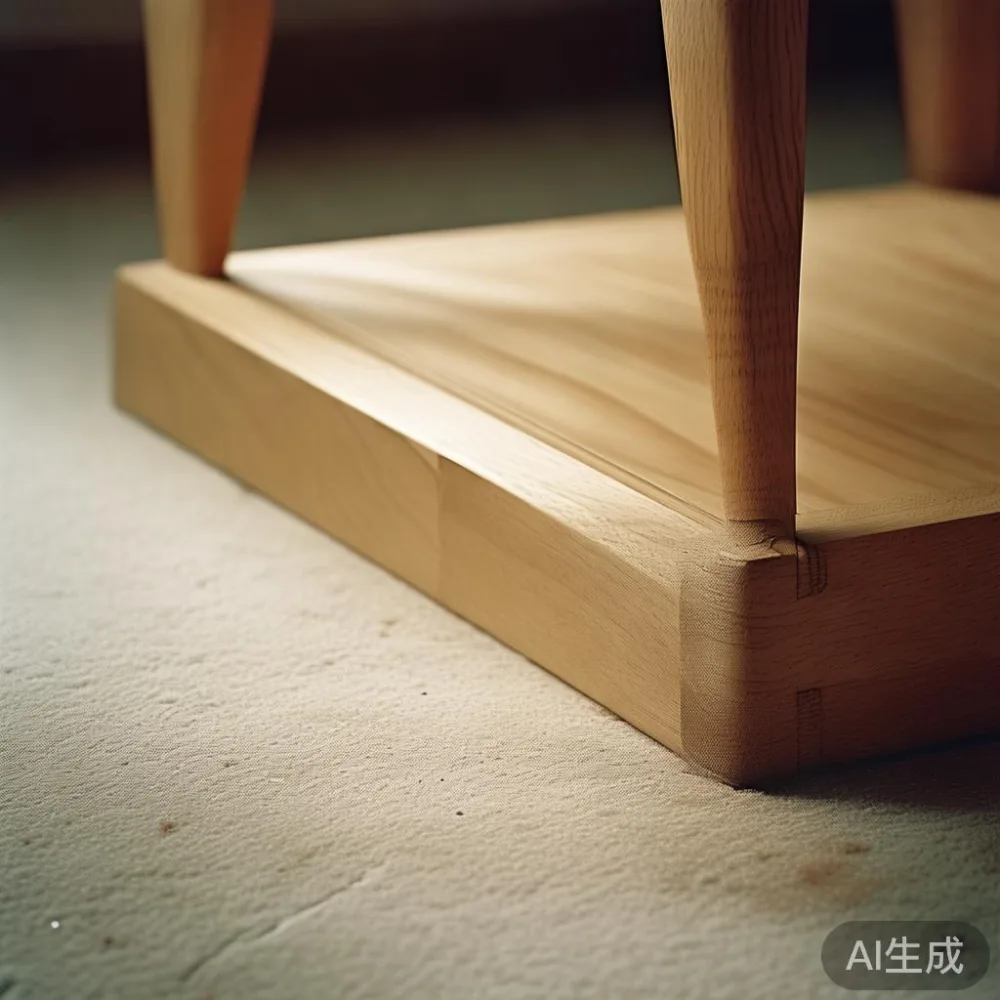
Yes, French provincial queen bed furniture is worth it if you want solid wood, mortise-and-tenon joinery, and a 10-year structural warranty, and if you are willing to read the warranty's exclusions before you pay a single SGD. The "light luxury" positioning matters because it signals thicker wood, hand-finished surfaces, and longer guarantees than the S$899 flat-pack queen beds you see in catalogue shops. What makes it worth the spend is not the romance of the styling; it is the paperwork that travels with the frame.
What a Singaporean buyer actually receives in the box
Most Singapore orders ship from Foshan in a flat-pack carton between 18 kg and 42 kg for a single solid wood bed frame, or up to 95 kg crated for a 1.8 m marble table. Inside you should find: the panels, a hardware bag, an assembly manual, and a separate warranty card or A4 sheet. Keep that warranty sheet out of the recycling pile. Last month I visited a Punggol condo where the owner had taped her warranty to the inside of the wardrobe door, which is honestly the smartest move I have seen all year. If you buy from a maker like MIDHILL, that sheet will name the warranty term (10 years on the structure), what counts as "structural" (frame joints, rails, slats), and what is excluded (surface scratches, fading, normal wear).

What "structural warranty" really covers and what it does not
This is where I see Singaporean buyers lose money. A 10-year structural warranty almost always covers: broken frame joints, cracked rails, snapped slats, and wobble caused by joinery failure. It almost never covers: water rings from a forgotten moka pot, dents from a child's toy truck, colour fade from afternoon sun through a north-facing balcony, or the slow sag that comes from storing suitcases under the bed for five years. Read the exclusions list as carefully as the inclusions. A warranty that names what is not covered is usually more honest than one that rhapsodises about what is.
Numbers to look for: the warranty length in years, the proportion of the product covered (frame only vs. frame and finish), and the labour policy. Some makers pay return shipping for the first 12 months and only ship replacement parts after that. A few, including MIDHILL, pick up return courier costs for the full warranty period on confirmed structural faults. That single sentence in the small print can be worth several hundred SGD on a heavy piece.

Missing parts, damaged parts, and what to do in the first 48 hours
Missing parts claims are time-sensitive, and this is the section most Singapore buyers skip. If a hardware bag is short two cam locks, or the marble table top arrives with a chipped corner, you typically have 7 to 14 days from delivery to lodge a claim, and the seller usually needs photographs, the batch number stamped on the carton, and the original packaging kept "for inspection." That last phrase is why I tell clients in Bedok and Bishan to keep the foam and the carton for two weeks, even after assembly. A claim without the carton is often a declined claim.
If you are ordering through a forwarder, photograph every panel as it comes out of the box before you build. I tested this with a 2.0 m L-shape chest of drawers for study last spring, and the maker replaced three scratched drawer faces within nine working days because I had timestamped images. Without those images, the same claim would have taken six weeks and ended in a partial refund. The lesson: the camera on your phone is the most valuable tool you own for warranty work.
Does lift access in an HDB block affect my warranty?
No, lift access does not void your warranty, but it does affect how damage is attributed. Most Singapore HDB lift openings are 80 cm wide and 210 cm tall, and most service lift openings in condos are similar or slightly wider. A solid wood sofa in a 3-seater configuration often arrives in two cartons of 60 kg each, which will fit, while a 2.4 m marble dining table top usually will not and must be hand-carried up the service staircase. If a panel is scuffed during a service-staircase carry and the delivery team did not photograph it on arrival, the maker may argue the damage happened post-delivery and decline the claim. Ask the seller, in writing, who is liable for damage during the carry from the lift to your door. Get the answer in the warranty document, not in a WhatsApp message.
The local-cost numbers that should sit next to the warranty
Anchor the warranty to SGD figures you can actually compare. A replacement marble table top in Singapore can cost S$480 to S$1,200 plus GST (9%). A single solid wood wardrobe door panel runs S$120 to S$260. A complete hardware bag for a king bed frame is around S$45 to S$90. If the warranty covers parts but you pay S$180 in courier fees for a heavy crate, you are not really covered. The strongest warranty is the one that includes parts, labour, and two-way shipping for the full term. Free shipping over US$350 (about S$480) is a useful proxy: a maker willing to absorb that cost on the way out is usually willing to absorb it on the way back for a real fault.
Refinishing, returns, and the second life of a piece
Two clauses are worth more than they look. The first is lifetime refinishing, where the maker will sand and re-oil your solid wood dining table or bed frame for a small service fee (often S$150 to S$350 per piece including courier). After 8 to 12 years in a Singapore flat, even the best oak or ash will look tired; refinishing resets the clock. The second is the 14-day return window. Under Singapore consumer rules you also have a statutory right of return for defective goods, but a maker that voluntarily extends this to 14 days for change-of-mind is signalling confidence in the product. Read both clauses carefully, including the condition required for a change-of-mind return: original carton, no assembly, no scratches. If you have already built the L-shape chest of drawers for study, you have usually forfeited the change-of-mind option.
How to file a claim without losing your weekend
Keep a single folder on your phone called "Warranty" with subfolders per room. Drop in the warranty PDF, the order confirmation, the courier photo, and the unboxing photos. When you email the maker, include: order number, batch number, clear photos with a coin or ruler for scale, and a one-line description ("one cam lock missing, slot 7, second carton"). Makers that ship from Foshan to Singapore typically respond within 24 to 72 hours, and replacement parts ship by air-freight in 5 to 9 working days. A claim filed this way is usually resolved in under two weeks. A claim filed without photos and without a batch number averages six weeks and often a partial refund. The difference is the ten minutes you spend on day one.
What a post-modern light luxury warranty should look like on paper
Post-modern light luxury is a useful label because it bundles three promises: thicker solid wood (often ash, oak, or walnut), softer finishing chemicals, and a longer paper trail. On paper that translates to: 10-year structural warranty, named exclusions, lifetime refinishing option, 14-day returns, free shipping above a stated threshold, and a real human contact email rather than a chatbot. If your warranty PDF only mentions "1-year warranty" and "defects only," you are reading the small print of a flat-pack importer, not a workshop. Ask for the workshop's name, the factory address in Foshan, and the export licence number. A genuine maker will answer all three within one business day.
For a Singapore buyer weighing a solid wood sofa at S$2,400 against a veneered one at S$1,100, the warranty is the tiebreaker. The cheaper sofa will probably need a replacement frame or new cushions within five years; the warranty on the solid wood piece means a third party is on the hook for the frame, and you only pay for the courier. Run that maths over a 10-year horizon and the more expensive piece is often the cheaper one. Bring a tape measure to the showroom, photograph the lift on the day of delivery, and keep the carton for two weeks. Do those four things and the warranty becomes a real document, not a brochure.
Quick checklist before you click pay
Warranty length in years, written in numerals, not "long-term." Named structural components: frame, rails, slats, drawer runners. Exclusions list, including sun fade, water marks, and overloading. Parts-and-labour policy for the full term. Two-way shipping policy for confirmed faults. Missing-parts claim window in days, with the photos required. 14-day change-of-mind returns, with the condition of the carton. Lifetime refinishing option with a published fee in SGD. Contact email that reaches a person. If nine of those ten appear in the warranty document, you are buying from a workshop that plans to be in business in 2035. If fewer than six appear, walk away and keep your S$2,400.