How Humidity in Southeast Asia Affects Solid Wood Furniture — And What Singapore Owners Can Do About It
I still remember the afternoon I walked into a Tampines HDB flat last month to inspect a six-month-old solid wood dining table the owner had bought from an overseas seller. The tabletop had cupped by roughly 3 mm along the 180 cm edge, the drawer fronts on the bedside cabinet no longer sat flush, and a small crack had opened near the leg joint. The air-con had been running at 23°C for most of the day, but the hygrometer on the wall read 78% the moment it was switched off. That single reading tells almost the whole story of wood furniture in Singapore: the climate here is not a background detail, it is the main character. If you are furnishing a resale flat in Bedok, a new Punggol condo, or a walk-up in Tiong Bahru, understanding how humidity moves through solid timber will save you money, arguments with your spouse, and the heartbreak of watching a beautiful piece warp in its first wet season.
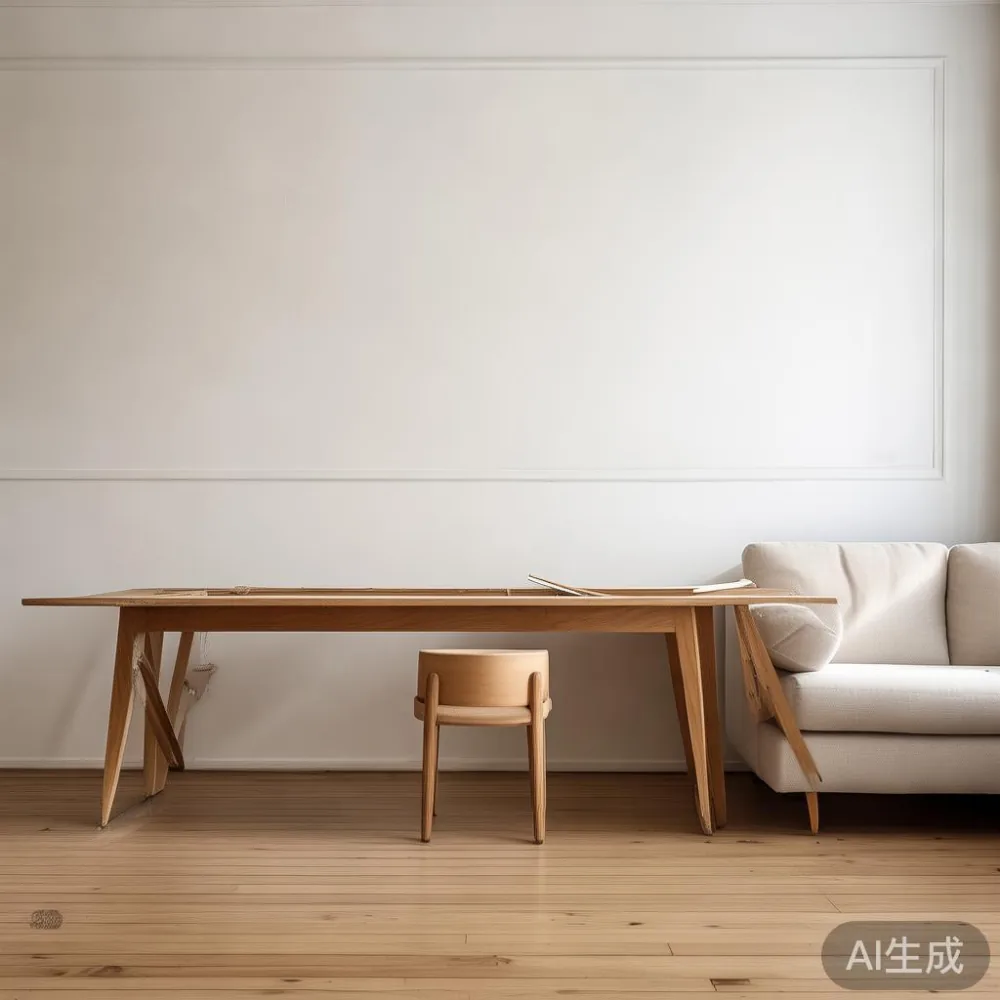
Why does high humidity in Singapore cause solid wood furniture to warp, crack, or develop mold?
Solid wood is a hygroscopic material, which is a polite way of saying it drinks and breathes depending on what is in the air. In Singapore, outdoor relative humidity sits between 70% and 90% for most of the year, and indoor humidity without an active dehumidifier rarely drops below 65%. Wood fibres swell when moisture content rises past 12% and shrink when it falls below 8%. A 200 cm solid wood sofa frame or an American country queen bed for HDB flat can therefore change dimension by 4 to 8 mm across a single humid month, and that movement shows up as stuck drawers, hairline cracks at mortise-and-tenon joints, or that tell-tale cupping on a dining table surface. Beyond movement, sustained humidity above 70% invites surface mold, musty odours in wardrobes, and corrosion of any unprotected metal hardware on hinges or drawer slides. I keep a small chart in my notebook: 60–65% RH is the comfort zone for both humans and hardwoods, 50–55% is ideal for antique pieces, and anything above 70% for more than three weeks is asking for trouble.
What is the ideal indoor humidity range for solid wood beds, wardrobes, and dining tables in Singapore?
For most solid wood furniture sitting in an air-conditioned HDB or condo, target a stable indoor relative humidity between 55% and 65%, with a room temperature of 22–26°C. Wood moisture content in that band usually settles around 9–11%, which is the equilibrium most factories kiln-dry to before assembly. A bedroom in a Punggol EC with the air-con set to 24°C and a small dehumidifier running for four hours a day typically measures 58% on a calibrated hygrometer costing about SGD 25 from any DIY shop. Keep the hygrometer away from direct sunlight and at least 1 metre from the wall, because readings near a wardrobe door or a marble table edge can be off by 5–7%. If you own a French neoclassical bed frame with carved details, stay closer to 55%, because the thicker posts and decorative mouldings hold moisture longer and crack more easily when the air swings dry in the middle of the night. Avoid letting humidity drop below 45% for extended periods, as over-dry air causes the opposite problem: splits along the grain and loosened joints on a solid wood sofa or nightstand.
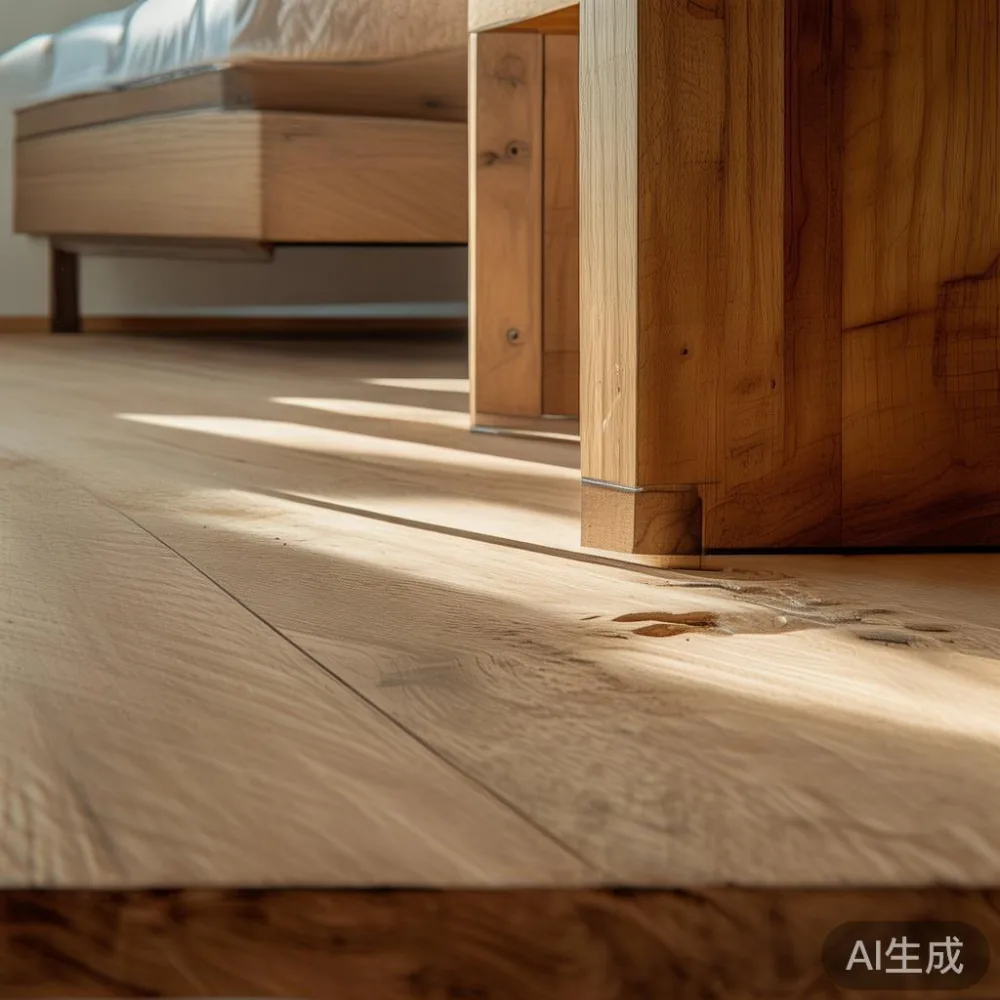
How do I style a French neoclassical bed frame in a small apartment?
Style a French neoclassical bed frame in a small apartment by anchoring it against the longest uninterrupted wall, keeping the surrounding furniture within a 30 cm clearance, and limiting decorative objects to two or three per surface so the carved silhouette stays the visual hero. In a typical 4-room HDB bedroom of about 12 sqm, a queen-size neoclassical frame at roughly 215 × 165 cm leaves only 55–70 cm of walking space on each side, which is enough for a slim nightstand (under 45 cm deep) but not for a full dresser. Push the headboard directly under the window only if the window has a 10 cm sill and you do not run the air-con for more than six hours at a stretch, because cold drafts on the back panel cause the finish to craze. Choose bedding in oatmeal, muted sage, or chalk white rather than competing patterns, and let the wall colour be a single soft tone such as Farrow & Ball Drop Cloth equivalent. One floor lamp with a linen shade on each side, a single marble table or tray at the foot for books, and a slim wardrobe in the same timber species will make the room read as a calm, light-luxury retreat without crowding the 3-metre corridor that HDB layouts demand.
Which solid wood species actually survive Singapore humidity, and which are high-maintenance?
From the pieces I have tracked across Singapore homes over the past three years, the survivors are white oak, ash, rubberwood, teak, and kiln-dried mahogany. White oak and ash are open-grain but take finish well and tolerate the 60–70% RH band with only minor seasonal movement, which is why you see them on most quality solid wood sofa frames and dining tables in showrooms. Teak is the local champion for balcony and semi-outdoor use because of its natural oils, and a teak wardrobe in a Punggol balcony utility area typically outlasts engineered alternatives by 8–10 years. On the cautious side, untreated pine, birch plywood edges, and most soft mango wood swell visibly within four to six months in a non-air-conditioned storeroom. American walnut is gorgeous but moves more than oak, so a walnut dining top should always be specified with breadboard ends and preferably with a 4–6 mm seasonal expansion gap left at the skirt. For a nightstand or small cabinet, kiln-dried rubberwood at 8–10% moisture content offers the best price-to-stability ratio, often retailing in Singapore between SGD 480 and SGD 720 for a two-drawer unit.
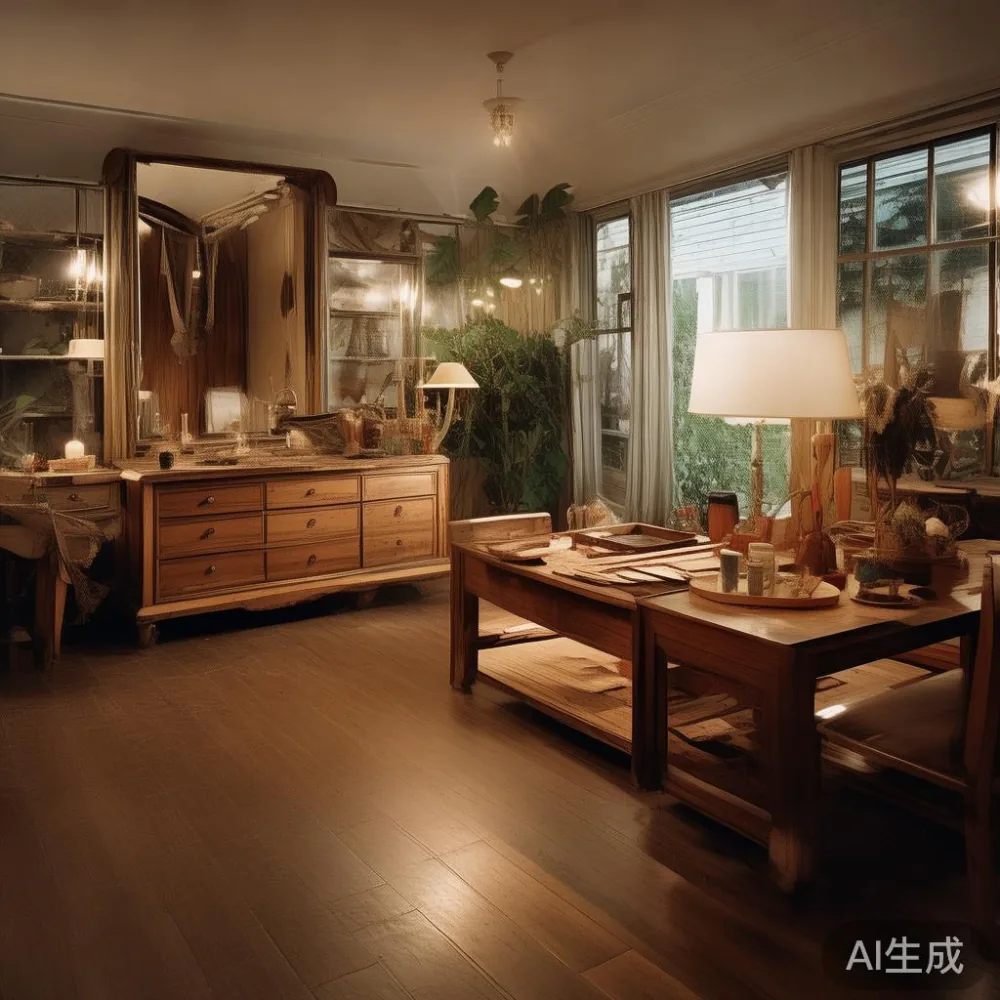
How should I unpack, assemble, and acclimatise flat-pack solid wood furniture delivered to a HDB flat?
Unpack in the room where the piece will live, not at the corridor, because HDB lift openings in older blocks such as those in Bedok and Tampines measure only about 1.9 m tall and 1.1 m wide once you clear the rubber edges, and tilting a 35 kg carton through a 90-degree lift turn is the fastest way to damage a leg. After carrying the cartons inside, open them fully, remove the foam, and stand the panels upright with 5 cm spacers between them for 48 to 72 hours so the timber can equalise to your indoor humidity before any bolts are tightened. Check the parts list immediately: this is the moment to flag missing parts such as cam locks, drawer runners, or the small felt pads that often get packed in a side pocket, because a missing M8×30 bolt on day one becomes a wobbly dining chair on day thirty. Keep the supplied hardware in a magnetic tray so nothing disappears down a HDB drain. Wipe every panel with a dry microfibre cloth before assembly to remove the condensation that forms on cold timber the moment air-con starts up, and only then attach legs, runners, and handles. A properly acclimatised 180 cm dining table assembled in a 24°C room will sit flat within a week; a rushed one can cup overnight.
What daily and weekly care routine prevents mold, swelling, and finish damage on wooden furniture?
A five-minute weekly routine keeps most problems at bay. First, run a dehumidifier in any wardrobe or closed bedroom for two to four hours on the days the NEA humidity index reads above 75%, which in Singapore is roughly 180 days a year. Second, wipe every solid wood surface with a barely damp microfibre cloth, never a wet one, and follow immediately with a dry cloth going with the grain. Third, rotate the items on top of a marble table or nightstand so the same patch of wood is not permanently darkened by a lamp base or a vase. Fourth, vacuum the inside of wardrobes once a month using a soft brush attachment, because the dust in Singapore carries skin cells and food particles that feed surface mold. Fifth, every six months apply a thin coat of hard wax oil or beeswax-based polish, budgeting about SGD 18–25 per 250 ml tin, and always test it on an unseen back panel first. Avoid silicone sprays, lemon oil straight from the bottle, and any product that promises "restore in one application", because silicone penetrates the grain and blocks future refinishing.
How do delivery logistics in Singapore — HDB lifts, corridor widths, and GST — affect my furniture order?
Most pieces of solid wood furniture from a Foshan-based maker such as MIDHILL arrive via consolidated sea freight to Singapore, which takes 18 to 28 days door-to-door, followed by a local courier that handles the final 2–3 km from the Singapore warehouse to your flat. Two practical numbers to remember: the standard HDB passenger lift internal dimension is roughly 1.4 m deep by 1.1 m wide with a 1.9 m door height, and a queen-size bed frame carton can hit 2.2 m long, so the courier may need to angle it vertically. Older blocks in Bedok and Tampines have narrower corridors around 1.2 m wide at the lift lobby, which means a 90 cm wide dining table in its carton fits, but a fully assembled 120 cm marble table almost never does. Always confirm that the quoted price includes 9% GST and that the warranty covers on-site replacement of missing parts such as cam bolts, drawer runners, or felt pads within 14 days of delivery. A reputable supplier will also offer lifetime refinishing and a 10-year structural warranty on joinery, which matters far more in Singapore's climate than any cosmetic promise, because what fails first is almost always the joint, not the finish.
When should I call a furniture specialist instead of trying to fix the problem myself?
Call a specialist when you see any of four signs: a crack longer than 5 cm along the grain, a leg that rocks more than 2 mm on a flat floor, a drawer that needs more than light pressure to close, or any sign of active mold that returns within a week after cleaning. These are joinery or moisture-content problems, not surface problems, and a sander or a tin of polish will only delay the real fix. A specialist can measure the timber with a pin-type moisture meter (readings above 14% indicate the piece is still acclimatising or the room is too damp), identify which joint has failed, and either repair it on site or take the panel back to a workshop. For a Singapore HDB owner, an on-site inspection typically costs between SGD 60 and SGD 120, which is small change compared with replacing a SGD 2,400 solid wood dining table after two wet seasons. The pieces that survive the longest in this climate are not the most expensive ones but the ones whose owners check on them twice a year, keep the humidity honest, and call for help at the first sign of movement rather than the tenth.