How Southeast Asian Humidity Affects Solid Wood Furniture
Singapore’s warm, humid climate can change the dimensions of solid wood furniture in ways that are easy to overlook. A dining table may feel sticky on a humid afternoon, a wardrobe door may sit differently after a sudden downpour, and a solid wood sofa frame may show small gaps where panels once met. None of this automatically means defective workmanship. Timber naturally exchanges moisture with the air, and furniture makers must account for that movement during design, assembly and delivery.
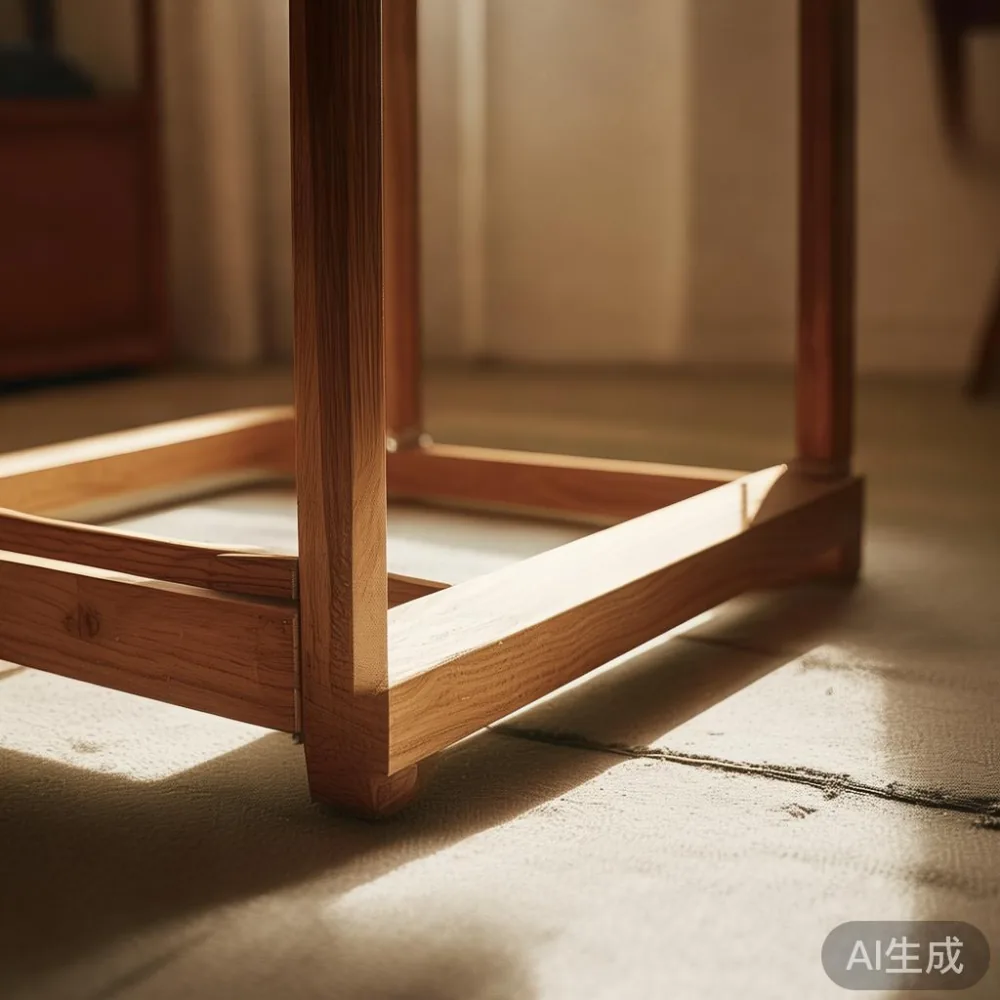
At MIDHILL, solid wood is built for real homes, including Singapore HDB flats and private condos. Our 10-year structural warranty covers the frame, while lifetime refinishing helps owners restore the surface as it ages. Proper humidity care still matters, however. Understanding expansion, finishes and installation can prevent avoidable complaints, including reports of missing parts when a loose connector or poorly aligned component is mistaken for damage.
This guide explains how relative humidity affects oak, teak, ash, walnut and other timber used in a solid wood sofa, bed frame, dining table, wardrobe, nightstand or marble table. It also considers the restricted access typical of HDB lift lobbies, narrow condo corridors and rain-prone loading areas.

Why does humidity make solid wood furniture move?
Wood is hygroscopic: it absorbs water vapour in humid conditions and releases it when the air becomes drier. The movement happens across the grain as well as along it. A 180 cm-wide solid oak dining table might expand by several millimetres across its width during a sustained humid spell. That is modest in engineering terms, but enough to place pressure against a wall, alter a door gap or expose a joint line.
Singapore’s monthly relative humidity commonly sits around 70% to 85%, with monsoon periods and afternoon showers producing short spikes. Air-conditioned bedrooms may fall to 45% or 55%, while kitchens, bathrooms and unventilated corners remain much higher. Those fluctuations matter more than a single reading. Repeated movement can loosen jointery, open fine gaps and make hardware feel less secure.
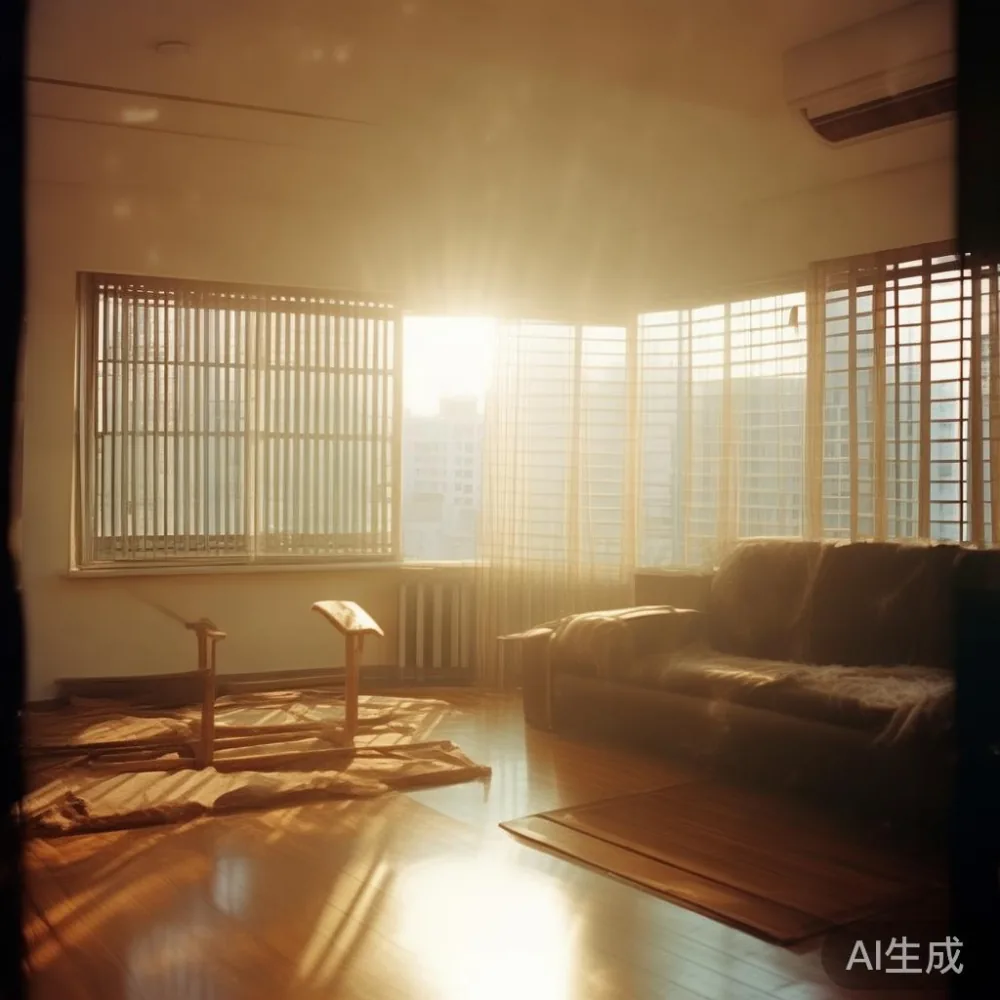
Seasonal timber movement should not be confused with deliberate construction. Many dining tables use a solid wood top supported by a frame, while a wardrobe may include adjustable shelves, drawer runners and engineered components for daily precision. A small expansion gap is often intentionally left around a marble table top or decorative panel so that the stone is not forced against the frame.
Solid wood sofa frames also need space to breathe. If a sofa is pushed tightly against an exterior wall that collects condensation, the rear rail may absorb moisture faster than the sheltered front rail. The same issue can appear in a bed frame placed beside a sliding window, where humidity enters from two directions.
Finish quality influences how quickly the timber responds. Sealed timber changes moisture more slowly than unfinished timber, but no coating makes wood completely moisture-proof. Wipe surfaces promptly, keep standing water away from joints and maintain ventilation rather than trying to overheat or aggressively air-dry a swollen panel.
How much should Singapore homeowners worry about humidity?
Moderate care is appropriate for most properly made furniture. A practical indoor target is roughly 45% to 65% relative humidity, although short periods outside that band are normal in the tropics. A bedroom air conditioner may bring the room down comfortably; a west-facing living room can remain above 80% during the afternoon. The objective is stability, not chasing a perfect number on a display screen.
Purchase a simple hygrometer for about SGD 15 to SGD 30. Place one in the bedroom and another in the living room rather than relying only on a phone application. Position the bedroom sensor 1 m above the floor and away from an air-conditioner vent, because an incorrect reading can lead to unnecessary heating or excessive ventilation.
For a new solid wood dining table, leave about 5 cm to 8 cm between the table edge and a tiled wall. A wardrobe generally requires a 2 cm to 5 cm installation allowance at the top, depending on the model and levelling system. Avoid wedging the carcass against a wall because seasonal movement needs somewhere to go.
Check a bed frame every 6 months, particularly if one side sits near a bathroom wall or sliding door. Tighten structural fixings only when the manual indicates that they should be adjusted. Over-tightening can damage wood threads or crush the joint. The same 6-month interval is sensible for checking dining table bolts and wardrobe anti-tip brackets.
Can humidity cause furniture parts to go missing?
Humidity does not make screws or dowels vanish, but it can make an assembly problem look like missing parts. A connector may withdraw slightly from softened wood, a bracket may rotate after a panel swells, or a fastener may be packed separately and mistaken for a defective item. An expanding drawer can also hide its runner or catch behind a cabinet panel.
This is where clear after-sales communication protects both customer and maker. Photograph the furniture, joint and supplied hardware before assembly. If a part is absent, compare the installation list with the carton labels and contact MIDHILL at midhillco@gmail.com with photographs and the order reference. MIDHILL’s 14-day returns policy provides another route for eligible unused items, while the 10-year structural warranty covers qualifying structural failures over a much longer period.
During delivery, record unpacking on video. A 2-minute clip showing all sides of the packaging can settle whether a rail, bracket or fastener was omitted at the factory. It also helps identify transit damage, which is separate from humidity-related movement.
For customers comparing options, searches for for sale Modern light luxury furniture often surface solid wood pieces in restrained American light luxury or French light luxury styles. Judge the joinery and service terms, not only the photograph. A genuine warranty, replacement parts and clear assembly instructions reduce the risk of unresolved missing parts.
How does Singapore’s HDB and condo access change delivery?
Humidity arrives with the weather, but the real installation challenge begins outside the home. Older HDB blocks may have a lift interior around 90 cm to 110 cm wide and a depth of about 130 cm to 150 cm. Some newer developments provide larger lifts, yet parking-geometry restrictions and turning corners still limit the largest cartons.
A solid wood dining table should therefore be checked before dispatch. A 200 cm-long top may fit a lift diagonally but fail at a corridor turn. A modular bed frame may arrive as 2 or 3 cartons, each weighing 18 kg to 45 kg. A solid wood sofa may be delivered in sections because a fully assembled frame can weigh 65 kg to 120 kg and exceed safe handling limits for a small lift.
Before delivery, measure the lift door, lift interior, landing, corridor and stair turns. Add at least 10 cm of clearance to the stated dimensions for measurement tolerance and door seals. For a condo, check the basement route, parking bay and loading bay because humid conditions there can slow packing and make cardboard softer than expected.
Rain protection matters just as much as size planning. Furniture should remain under cover between unloading and installation, but never be wrapped tightly in plastic for 12 hours or more. Condensation can form inside that wrap and expose a new dining table or wardrobe to unnecessary moisture.
At the destination, allow the wood to acclimatise before tightening every connection. Unpack cartons within 24 hours of delivery, remove protective film from individual components and keep the room between roughly 22°C and 29°C. Do not place a nightstand against a cold surface immediately after arrival. This measured approach is especially useful for a marble table, whose stone top requires careful support and level installation.
How should owners prevent humidity-related damage?
Start with placement. Keep a bed frame at least 30 cm from a persistent condensation source, such as a bathroom window or a wall behind a drying rack. Leave the rear of a solid wood sofa slightly open to the room rather than sealing it against a wall. For a wardrobe beside a bedroom window, use curtains that reduce direct rain and allow ventilation after the room is cooled.
Clean with a soft, slightly damp cloth and dry immediately. Avoid silicone-based sprays, abrasive pads and soaking the timber. A product labelled for solid wood should normally be used sparingly, and the finish should be tested on an unseen 5 cm by 5 cm area first. A separate pH-neutral cleaner may cost SGD 12 to SGD 25, depending on the formulation.
Protect the top of a dining table from hot vessels and standing dishes. Use a trivet with at least 3 cm clearance beneath a hot pot and a felt layer beneath decorative objects. Coasters should not be left soaked beneath a glass for 24 hours. Small rings can often be refinished, but water staining may require more extensive treatment.
For frequent wardrobe access, check that hinges and runners move freely every 3 months. For a nightstand, lift the base enough to wipe beneath it and inspect the rear edge for lifting. Do not place damp laundry against an oak wardrobe for hours; use the space intended for the laundry basket.
Air movement helps more than aggressive dehumidifiers. A bedroom may benefit from a modest unit rated for 12 m² to 20 m², with drainage routed correctly. Place it 30 cm to 50 cm from walls and furniture so that airflow is not concentrated against one panel. In a HDB flat with an open kitchen, running the exhaust hood while showering reduces moisture at source.
Which furniture styles suit small Singapore rooms?
Humidity does not dictate style, but room size does. A compact Nordic for small living room layout can use a 160 cm solid wood dining table, a 140 cm to 170 cm solid wood sofa, or a slim bed frame with a lift-up storage base. These dimensions allow circulation through a Tampines or Bedok flat while preserving a light visual palette.
Japanese-inspired joinery and sliding screens also work well in compact interiors. If you are wondering how to style Japanese wardrobe in room layouts, a pale oak finish, recessed pulls and vertical lines can make a 120 cm-wide unit feel orderly. Keep the front clearance at 60 cm where people walk past it, or 75 cm if a chair must be pulled out in front.
For buyers asking is Japanese wardrobe worth it, the answer depends on the construction, dimensions and storage need rather than a nationality label. A solid timber carcass with solid wood drawer boxes, soft-close runners and adjustable shelves can serve a family room for at least 10 years when humidity is managed. Compare the interior fittings and warranty as carefully as the exterior finish.
Post-modern light luxury can also translate effectively through curved edges, tactile fabrics and warm timber, provided scale remains disciplined. A rounded solid wood sofa with a seat height of 42 cm may soften a rectangular HDB living room. A marble table can add visual weight, so choose a narrow 80 cm to 100 cm diameter or a slim 120 cm rectangular top.
When comparing seating, American sofa vs Mid-century modern sofa comparisons are useful for deciding between a deeper, upholstered profile and a lighter timber frame. Neither category automatically handles humidity better. Check the frame material, seat density, removable covers and cleaning guidance.
For a more formal apartment, modern Italian light luxury furniture can be represented with a walnut dining table, slender metal accents and restrained stone surfaces. Keep the visual mix simple: one major timber piece, one upholstered item and 2 or 3 decorative objects often look calmer than many small furniture statements.
How did a real installation reveal why humidity matters?
Last month, my colleague visited a family in Punggol to check a newly delivered MIDHILL bed frame. The HDB lift measured 100 cm wide, and the route from the lobby included a narrow turn beside the bin enclosure. The bed frame arrived in 2 cartons weighing 24 kg and 29 kg, both protected by moisture-resistant wrapping.
After delivery, the family noticed a slight gap at one bed rail joint and assumed that a fastener was among the missing parts. We found no missing hardware. The lower rail had been installed against a slightly damp skirting board, and the joint had shifted as the timber adjusted to the room. We removed the rail, dried the area, allowed ventilation and reassembled it against a clear 20 cm gap. The gap closed correctly, and the anti-tip bracket was checked at the specified 8 cm height from the floor.
The family then placed a hygrometer on the bedroom shelf. It read 78% during the evening and 55% after the air conditioner had run for 2 hours. We advised a 30 cm distance from the sliding window and daily airing for 15 minutes during rain. A month later, the joint remained stable and no moisture staining appeared.
This experience demonstrates why precise parts records matter. It also shows why a reasonable maker should distinguish assembly support from structural failure rather than treating every seasonal movement as a manufacturing defect.
What should buyers check before and after delivery?
Before ordering, confirm the finished dimensions, not just the dimensions shown in a product image. Ask whether the dining table, wardrobe or bed frame arrives assembled or in sections. Check whether the solid wood sofa can pass through the lift and corridor, and whether a marble table has separate protective packaging for the stone.
Review the finish, care instructions and warranty in writing. MIDHILL offers free shipping on orders over US$350, although the amount is charged in the applicable currency. Singapore delivery timing and any GST treatment should be confirmed at checkout so that the total in SGD is clear before purchase.
On arrival, inspect within the available return period. Photograph all panels, legs, connectors and carton labels. Keep protective packaging until the furniture is checked because moisture and transit damage can look different under neutral indoor lighting. Assemble in a dry room with 2 people for a 20 kg to 40 kg component and 3 or 4 people for a heavier solid wood sofa or dining table.
After assembly, check every 30 cm to 60 cm of a wall or cabinet run for a flush fit. It should not be forced. Recheck fixings after the first 2 weeks and again after a month of changing weather. If a genuine component is absent or a structural joint fails, keep the evidence and contact the supplier promptly.
The practical lesson is simple: Southeast Asian humidity will always influence wood. Good design accepts that movement, quality finishes slow it, and careful installation gives it room. With accurate access measurements, attentive unpacking and sensible indoor humidity control, solid wood furniture can remain sound and visually refined for many years.