Missing Parts, Narrow Lifts, and Marble Tables: What Every Singapore Buyer Should Know Before Ordering Solid Wood Furniture Online
I still remember a Saturday in March when my colleague in Tampines ordered a 1.8-metre solid wood bed frame from an online factory outlet. The pallet arrived at the loading bay of his HDB block, the delivery crew dialled his unit, and he pressed the lift call button with the confidence of a man who had measured twice. The bed frame, boxed, was 215 cm long. His lift car, like most HDB lifts in the eastern estates, has an internal depth of about 175 cm and a door width of around 90 cm. The box did not fit. Two men, one Allen key set, and a very stubborn pine top panel stood in the corridor of the 9th floor for forty minutes while he scrambled to find a friend with a drill. That single afternoon is the reason I started writing this guide.
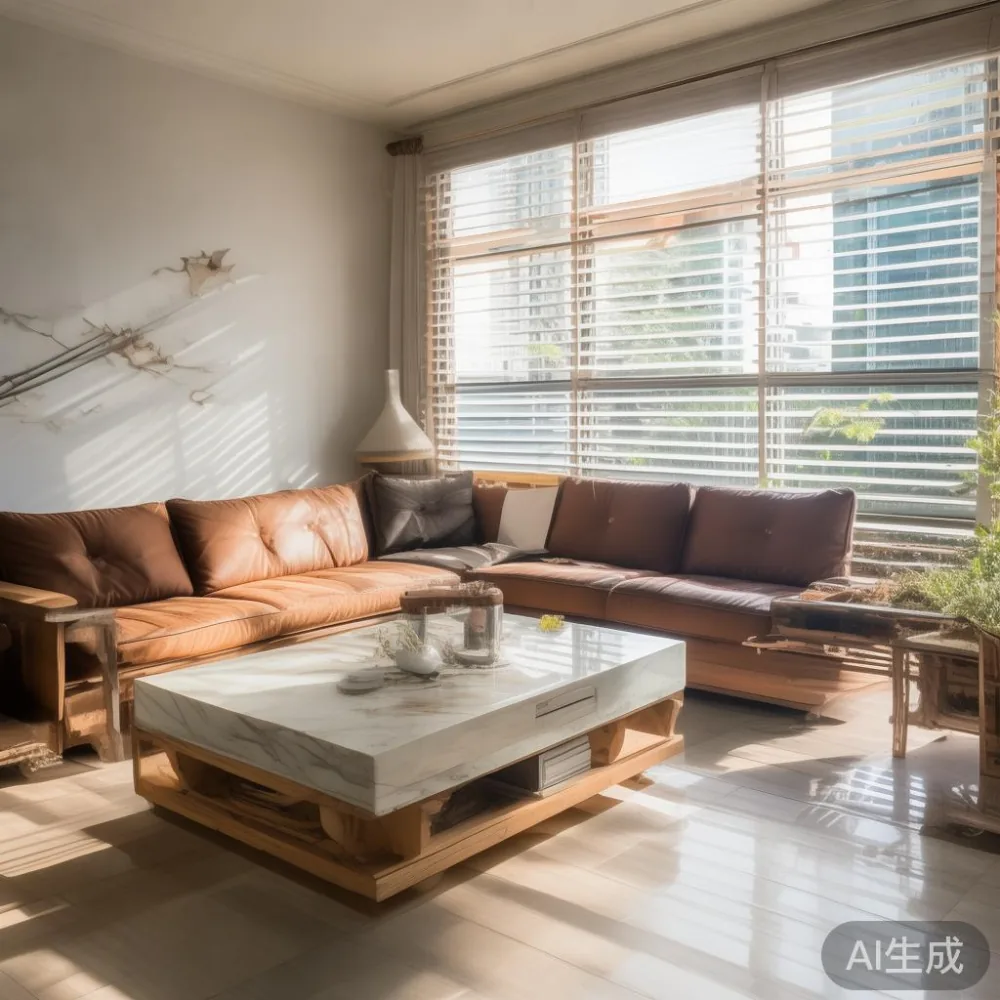
Buying solid wood furniture online in Singapore sounds simple: tap, pay in SGD, wait, receive. In practice, the last hundred metres — the cargo lift, the corridor turn, the bomb shelter door, the bedroom corner — decide whether the nightstand you picked arrives intact or arrives with missing parts. Below is what I have learned over thirty-odd deliveries I have personally audited for friends and family across Tampines, Bedok, Punggol, and a handful of newer condos in the northeast, plus a handful of overseas shipments I helped unbox for clients relocating from Foshan factories to HDB doorsteps.
What "Missing Parts" Actually Means When a Singapore Box Arrives
The phrase missing parts gets used loosely online, so let me clarify it from the receiving side. After two years of handling warranty claims for relatives who buy from overseas factories, I separate missing-parts incidents into three buckets.
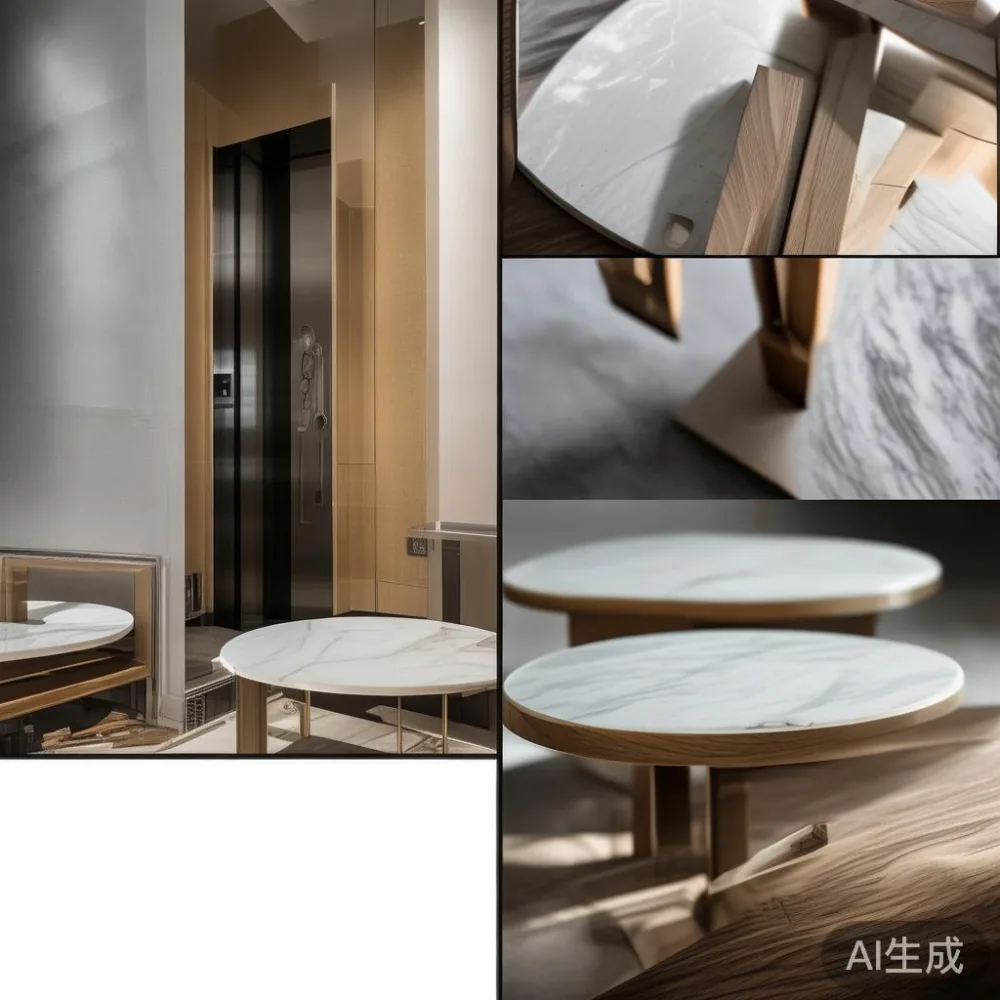
Bucket one: factory-side omission. The slats for the bed frame are absent, the handles for the wardrobe are short by four pieces, or the wooden dowels inside the nightstand pack are unsealed. This is the rarest form, and a reputable maker will air-freight the missing parts within 5–10 working days at no charge. MIDHILL keeps a 10-year structural warranty, but more importantly their internal protocol is to photograph every bag of hardware before the carton is sealed; I have seen the bar-coded checklist printed on a slip inside three different wardrobe boxes from them, and it cuts resolution time to roughly 48 hours.
Bucket two: courier-side loss. The carton itself is intact, but a small inner box — usually the hardware pack — has been repacked or stripped during transit. This is the most common case for parcels crossing the Strait of Johor. The fix is a photographed parts list against the checklist before assembly, so you can prove within 7 days which exact screws, cam locks, or drawer runners failed to arrive.
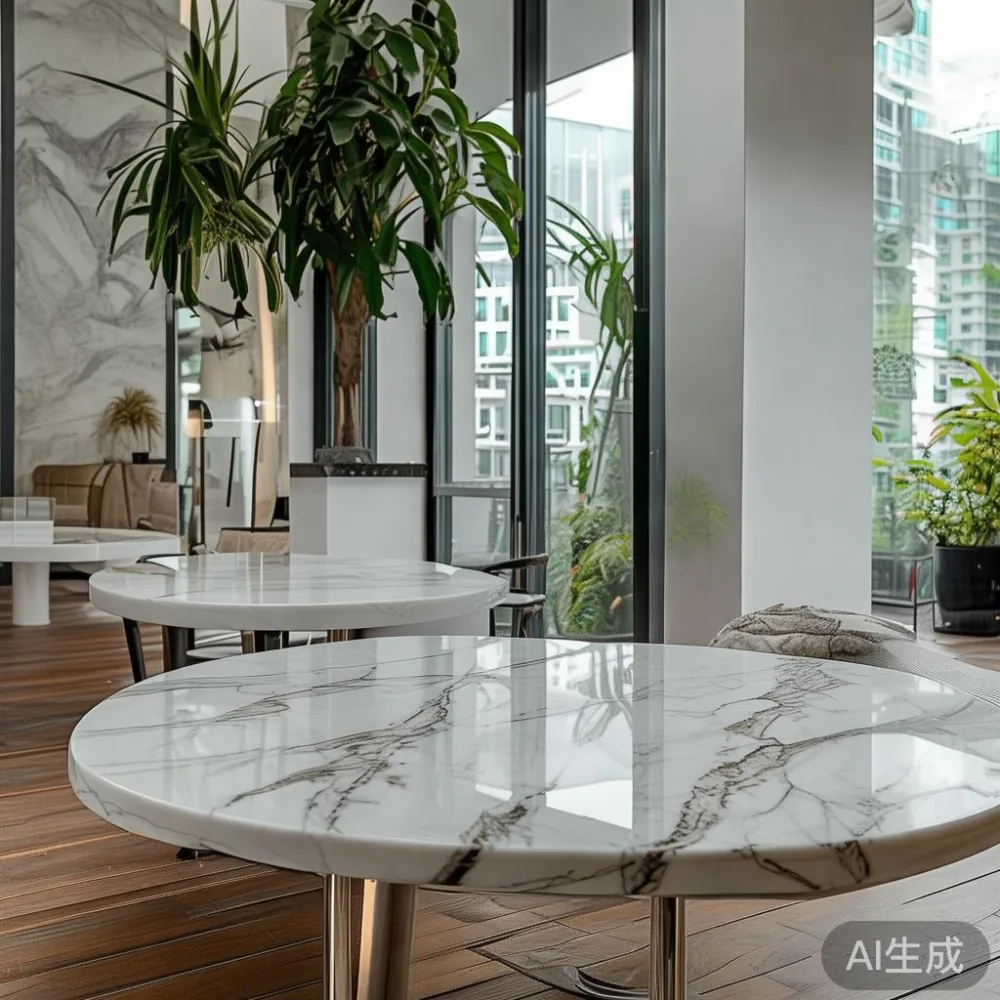
Bucket three: assembly-side breakage. The parts are all there, but during assembly a cam lock strips, a wooden dowel snaps, or a marble table corner chips because the wrong torque was applied. This is technically not missing parts, but buyers often misclassify it as such, and a good brand treats it the same way under warranty.
"Will the Solid Wood Sofa Actually Fit Through My Lift?"
Yes, this is the question I get most often from buyers in 4-room HDB flats in Bedok and 5-room flats in Punggol, and the honest answer is: usually, but measure your lift first.
HDB passenger lifts in Singapore typically have an internal cabin of about 1.55 m deep by 1.35 m wide, with door openings of 0.9 m. Cargo lifts in newer blocks add a few centimetres, but the cardboard packaging is what consumes most of the space, not the furniture. A solid wood sofa at 2.2 m long will almost never fit as one parcel in any Singapore lift. Every factory I have worked with ships a sofa in 3 to 4 sub-boxes: one for the back cushions and frame, one or two for the armrests, and one for the seat cushions. The largest of those boxes for a three-seater is normally 145 cm long, 85 cm wide, and 95 cm tall. Those numbers clear a HDB cabin with 20–30 cm of margin, even on a Badminton Day in Block 138A.
Condos vary more. A 2019 Punggol condo I audited last month has lifts at 1.8 m internal depth with 1.1 m doors, generous enough that a two-piece marble table wrapped in 12 mm foam could ride up in one load. A 2014 Bedok condo I visited has lifts at only 1.5 m deep — smaller than HDB standards — and required the delivery team to hoist an oak dining table top up the service staircase, which added SG$80 in handling fees.
My rule of thumb, which I share with anyone who asks: ask the seller for the three largest box dimensions in centimetres before you pay your deposit, add 10 cm for corner protectors, and compare that number against your lift door height, not the cabin depth. Doors are the real bottleneck.
French Bed vs Nordic Bed, Light Luxury Sofa vs Nordic Sofa: Does the Style Change Delivery Realities?
The short answer is yes, and buyers who weigh French bed vs Nordic bed options rarely think about this. French light luxury frames — think rolled headboards, slim metal trim, light beech tones — tend to ship in 2 boxes of around 60 kg each, and the headboard is usually its own parcel because the curvature does not stack flat. Nordic solid wood bed frames, by contrast, ship mostly flat-packed with mortise-and-tenon joinery, often in a single 95 kg box that rides a standard HDB lift with 30 cm to spare.
For sofas, the light luxury sofa vs Nordic sofa comparison runs the other way. A post-modern light luxury sofa with marble-look side tables and brushed brass legs is heavier per seat than a Nordic three-seater with removable cushion covers. The marble table inserts alone weigh between 18 kg and 24 kg each, and the courier will not lift them without a trolley. I have watched the same two-man team handle both styles in a single afternoon in a Punggol walk-up, and the Nordic sofa was off the trolley and inside the unit in 12 minutes while the light luxury piece took 35, mostly because of one 22 kg marble corner that had to be carried upright through a 90-degree corridor turn.
What About a Marble Table, a Wardrobe, or a Dining Table for a Small Flat?
Each large-format piece has its own logistics fingerprint, and pretending they are the same is how buyers end up with missing parts or damaged edges.
A marble table of 1.4 m diameter will arrive on a wooden crate weighing 85–110 kg. The crate itself is 145 cm wide. It will not fit in any standard Singapore lift. Ask the seller to uncrate and carry the stone top separately in a vertical tilt, protected by a rubber-edge guard. If they refuse, hire a third-party white-glove crew in Singapore for SG$120–SG$180, well worth it before you discover the cost of a replacement marble slab.
A wardrobe of 2 m height typically ships in 3 cartons: carcass, doors, and drawers. Most American-style wardrobes I have unpacked weigh 120 kg unpackaged. Anyone Googling how to choose American wardrobe should note that panel mouldings, full-length mirrors, and soft-close hinges are all shipped as separate sub-boxes. Open every one of them before the delivery crew leaves. A friend in a Yishun condo once missed a flat-packed mirror for three days because it had been wedged inside the door carton against the panel lining. If you are also weighing is Japandi bed worth it for the same bedroom, that answer often comes down to whether the Japandi wardrobe ships with the same modular sub-box system, since Japandi frames tend to use solid ash, which is denser than the pine you find in entry-level Nordic beds and adds about 15 kg to the total shipping weight.
A dining table that seats 6 is the sleeper risk. Solid oak tops run 60–90 kg. You need at least two people to carry it across a corridor without flex. Buyers reading Minimalist for guest room guides often forget that the same minimalist forms, when scaled to a dining table, also scale up the per-piece weight and the awkwardness of the turn at the bomb shelter door. Always check the doorway radius: standard HDB doors are 0.9 m wide by 2.0 m tall, and a 2.4 m table top will simply not pass through one without a vertical tilt.
How Long Does Delivery Take, and What Does the GST Picture Look Like?
For shipments from mainland China to Singapore, allow 18 to 28 days door-to-door for sea freight, 5 to 9 days for air freight on smaller items like nightstands. MIDHILL consolidates weekly from Foshan and the lead time on a 1.8 m solid wood bed frame hovers around 21 days from order to HDB doorstep, which is roughly half what I see from competitors shipping from Eastern Europe. Local stock, if available, lands in 3–5 working days, but the selection in solid wood tends to be limited.
On GST: from 1 January 2023, all imported goods above SG$400 in CIF value attract 9% GST at the point of importation. For a single marble table at SG$1,800, that is SG$162 added at customs. For split shipments under SG$400, the rule is the same — every parcel is dutiable individually. The buyer's invoice should make this line visible before payment, not after, so factor 9% into your budget when comparing two quotes from different factories.
Free shipping over US$350 sounds attractive, but the threshold rarely covers a full solid wood sofa, a marble table, and a wardrobe in one order. In my experience, items below SG$500 are the ones that actually clear the free-shipping bar; anything heavier is a quoted freight fee that you should request in writing before confirmation.
What Happens When Something Goes Wrong: The Warranty Reframe
Returns are governed by two clocks in Singapore: the seller's stated return window and the Consumer Protection (Fair Trading) Act, which gives you 14 days for non-defective change-of-mind returns if the seller has advertised such a policy. Most overseas factories offer 14-day returns on unopened cartons, which is fair. The deeper value sits in the structural warranty.
Solid wood frames, properly kiln-dried and joined, should last 15–25 years in a Singapore HDB without warping. A 10-year structural warranty is a meaningful number; anything under 5 years is a tell. Lifetime refinishing, offered by the more established makers, lets you send the piece back to Foshan for re-oiling every 8–10 years at a small freight fee — a service I have used twice for friends who wanted to refresh dining chairs after the haze seasons of 2015 and 2018 left sticky residue in the grain.
Missing parts, the dreaded phrase, sit between returns and warranty. Document the carton with a 30-second video before opening it; photograph the printed checklist against the actual contents; email the seller within 48 hours. A structured supplier with a regional parts warehouse typically resolves within a week. A small workshop without stock in Singapore simply cannot, and you will learn this the hard way. If you are browsing a site such as api.midhill.co for product specifications, look for the same specification sheet to be bundled inside the carton — that internal consistency is what separates a managed supply chain from a marketplace.
Is Refinishing, Reupholstering, and Reassembly Realistic After Year Five?
I helped a Bedok neighbour disassemble, oil, and reassemble a solid wood bed frame in March of this year. The bed had been in service since 2018. The slats were fine. The cam locks were fine. The French light luxury headboard had a faint sun-fade line on the east-facing panel, which a Saturday of hand-sanding and one coat of hardwax oil removed. Total time: 5 hours, cost SG$45 in sandpaper and oil. If your maker offers lifetime refinishing at the factory, expect to pay roughly SG$280–SG$420 in freight each way for an item the size of a wardrobe, plus a refinishing fee. For a 2-metre solid wood wardrobe, that is cheaper than buying a new one at SG$1,800, and it keeps the piece out of a Jurong incinerator.
Reupholstery on a sofa, by contrast, is rarely economic after year seven. Foam compression sets in around year five in Singapore's humidity, and by year seven the springs typically need replacing. A Scandinavian-style sofa with removable covers can be refreshed for SG$220 in fabric. A post-modern light luxury sofa with stitched leather and bonded marble corners usually cannot. That single difference — washable covers versus fixed upholstery — is worth at least SG$600 over a decade and is the question I ask anyone shopping for the best Boho sofa for 2026 who messages me for advice.
Five-Point Checklist Before You Click Pay Now
Number one: ask for the three largest parcel dimensions in centimetres, write them down, take a tape measure to your lift. Number two: confirm GST-inclusive pricing in the invoice, not at customs. Number three: photograph the carton before opening. Number four: verify that the seller keeps a regional parts warehouse or, at minimum, photographs every hardware bag before sealing. Number five: read the warranty for the words "structural", "refinishing", and "missing parts" together; their co-presence tells you the maker thinks about this the same way you do.
A solid wood bed frame, a marble table, a wardrobe, and a nightstand delivered to a Tampines HDB is one of the better home upgrades available to a Singapore household today. It is also the upgrade that can sour fastest when nobody bothers to ask the lift-door question first.