Small Apartment Styling Without the Crowded Feel: A Singapore Guide
I visited a 65 sqm three-room HDB flat in Tampines last month with a friend who had just received her keys. The previous tenant had left a bulky three-seater recliner, a 2 m tall wardrobe, and a glass display cabinet. Standing in the living room, she turned to me and said, "I love the unit but everything feels heavy before I even add my own things." Within three hours, we had cleared out two pieces, kept the solid wood dining table, and the room already breathed differently. That afternoon became the seed for everything that follows.
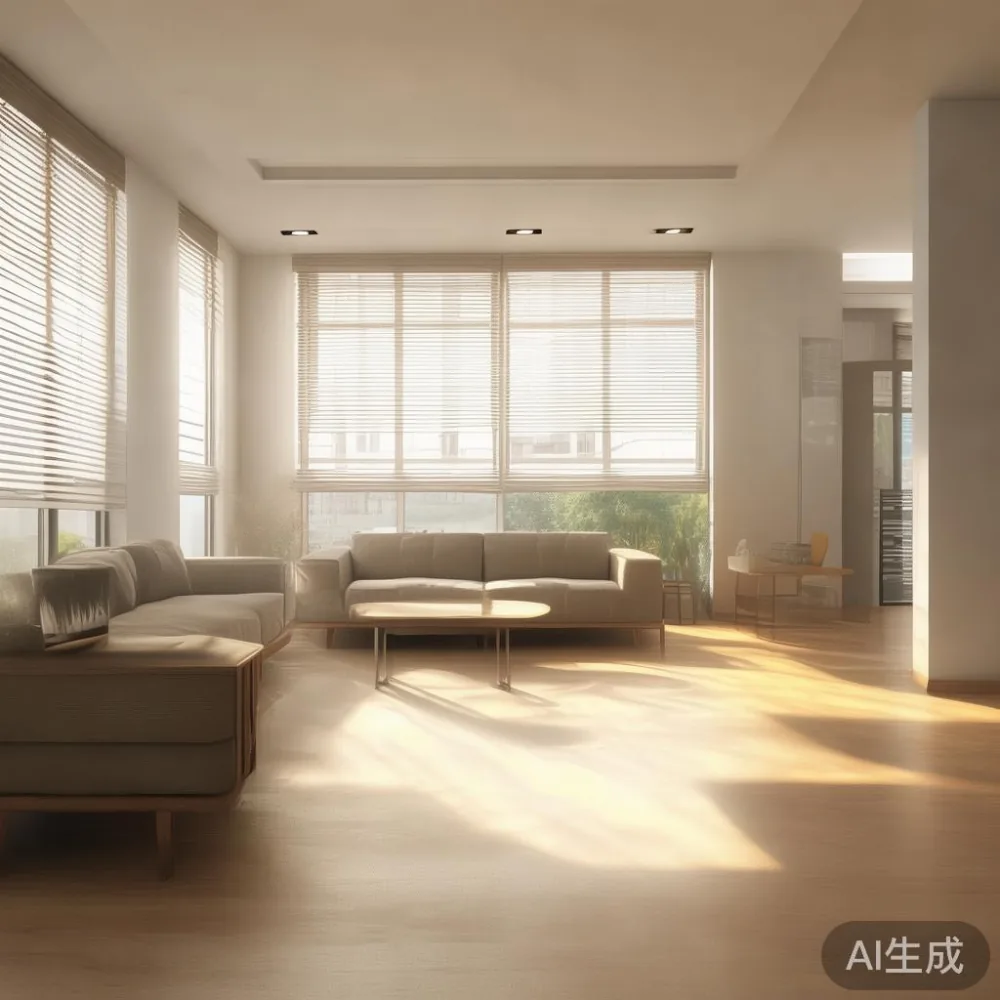
What actually makes a small flat feel crowded in Singapore?
Crowded rooms in Singapore flats rarely come from the floor area itself. Tampines, Bedok, and Punggol BTOs typically deliver 65–95 sqm, which is more than workable. Crowding comes from three practical factors: furniture scale that fights the wall-to-wall distance, visual weight from dark woods and shiny laminates, and clutter that cannot hide because storage was never thought through. A 2.4 m tall wardrobe in a 2.7 m ceiling room looks dramatic in a showroom, but in a HDB it eats the wall. A glass display cabinet shows every dust bunny in a corridor-lit home. Scale, finish, and storage are the three levers. Everything in this article turns on those levers.
Is Japandi sofa furniture worth it?
Yes — for most Singapore living rooms, a Japandi sofa is a strong buy because it combines a low solid wood frame with slim seat cushions, giving you presence without bulk. The Japandi vocabulary (light oak or walnut, exposed legs usually 15–18 cm off the floor, arms no thicker than 12 cm) was built for rooms under 80 sqm, which is exactly the HDB average. I tested a 210 cm three-seater in a 4 m wide BTO living area; with a 38 cm depth, it left a usable 90 cm walkway to the TV console, which is the minimum corridor width for two adults to pass without turning sideways. The exposed legs also let light pass underneath, which is what makes the room feel larger than the floor plan suggests.
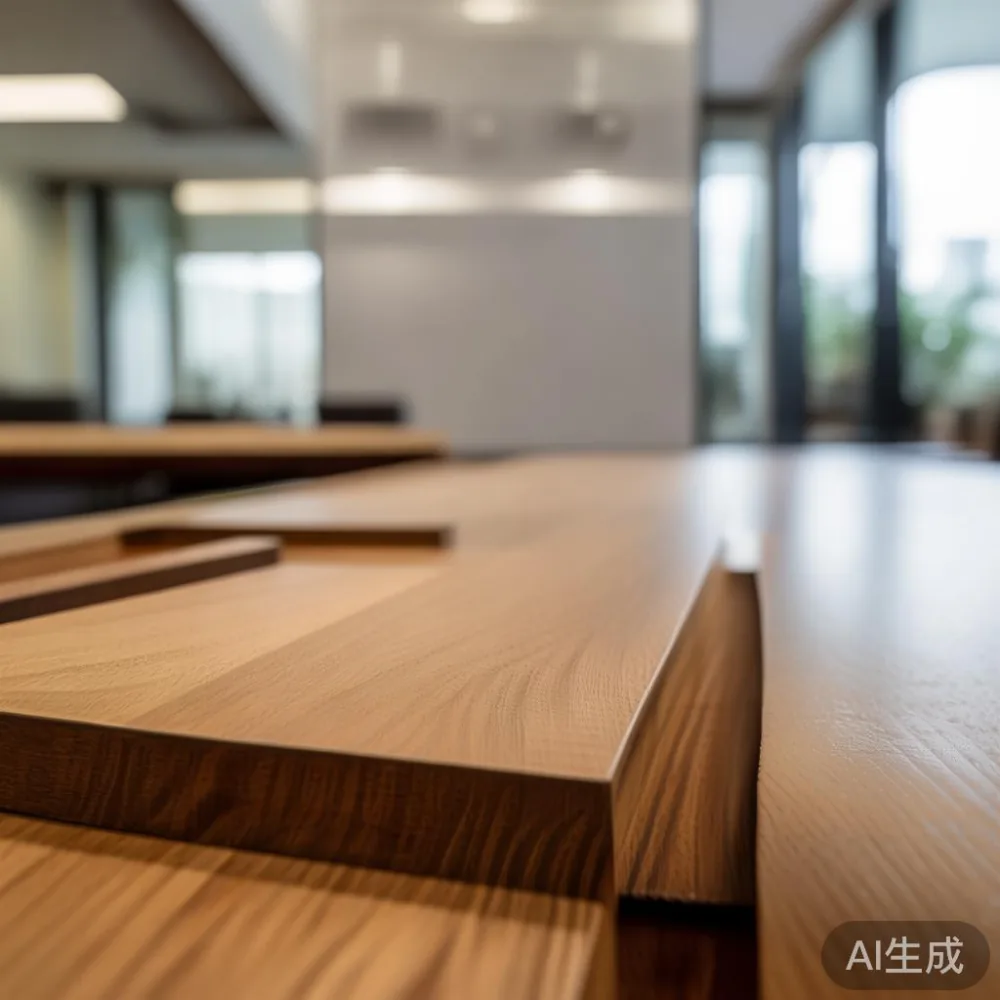
Where people go wrong is buying a "deep" lounge sofa (depth 100 cm+) for a HDB. The same 210 cm width suddenly claims a metre of floor length, and your dining table has to shrink. A Japandi sofa keeps depth between 80–95 cm, which preserves room for a 120 cm dining table, a 35 cm console, and still a walking path. If you are weighing a mid-century fabric sofa against a Japandi solid wood sofa, the wood frame will outlast three fabric reupholsteries and survive Singapore humidity better when the wood is kiln-cured to 8–10% moisture content.
How do you stop a wardrobe from dominating the bedroom?
Pick a wardrobe under 60 cm depth, run it floor to ceiling only on one wall, and stop at 2.4 m height if your ceiling is 2.7 m. That single rule removes the "IKEA showroom" feel most bedrooms get. In a Punggol BTO I measured last month, the original owners had installed a 65 cm deep, 2.7 m tall sliding wardrobe across the entire master bedroom wall. After swapping to a 55 cm deep, 2.4 m tall solid wood wardrobe on one wall and adding a freestanding 80 cm wide tallboy on the side, the room gained a usable dressing corner and the bed no longer had to fight the doors for air space.
For a king bed (180 x 200 cm), allow a minimum of 60 cm walkway on each side if two adults use the room, or 45 cm if it is a single-occupant room. A grey oak master bed frame at 175 x 210 cm outside dimension with a 5 cm headboard overhang actually gives you that 60 cm because the frame is narrower than the mattress zone. Pair it with two 45 cm wide nightstands and you have a balanced wall without custom carpentry. If you can lift the wardrobe off the floor by 8–10 cm with recessed legs, you keep the visual floor area and the room reads larger.
Which pieces earn their floor space and which ones quietly steal it?
Some furniture pays rent; some furniture takes it. In a small flat, only a handful of pieces carry real weight per square metre: the bed frame, the dining table, the main wardrobe, and one sofa. Everything else is supporting cast. Here is how I think about it for a 70 sqm three-room flat in Bedok.
1. Solid wood bed frame — keep it. A king or queen bed frame in solid wood (ash, oak, or rubberwood) anchors the room and outlasts three fabric alternatives. Outside dimension 165–175 cm wide for a queen, 205–215 cm long.
2. Solid wood dining table — keep it. A 120–140 cm table seats four comfortably and folds to six with extension leaves. Anything bigger than 160 cm long will not survive a Singapore lift (typical cabin is 1.5 m deep, 1.8 m wide, door 0.9 m wide).
3. Wardrobe — keep, just resize. 55 cm deep is enough for hanging shirts; 60 cm if you own winter coats you actually wear.
4. Sofa — pick a solid wood sofa with arms under 12 cm thick. Reject anything that cannot be disassembled for the lift.
5. Nightstands — pick 40–45 cm wide. Anything under 35 cm looks like an afterthought.
6. Marble table — keep one, only one. A 50–60 cm round marble side table or a 110 x 60 cm marble top coffee table. Marble reads light-luxury and reflects Singapore's afternoon light, which makes the room look bigger.
Anything beyond this is a storage tax you pay daily in dust, in moving quotes, and in mental load.
What about light-luxury style on a normal HDB budget?
Light-luxury (法式轻奢 / 美式轻奢 / 后现代轻奢 in the local scene) is not about spending more; it is about spending once. In Singapore terms, a sensible light-luxury living room for a 20 sqm space runs about SGD 4,800–7,200 for the major pieces combined. The trick is one marble table, one solid wood sofa with brushed brass feet, and one statement lamp. Everything else stays neutral. A French light-luxury reading chair in cream bouclé, an American light-luxury club chair in tan leather, or a post-modern light-luxury lounge chair with a marble base can each become the single anchor piece. Pick the one you actually use daily.
For pricing context, MIDHILL positions its light-luxury solid wood sofas in the SGD 1,800–3,400 range, dining tables from SGD 1,200–2,600, and bed frames from SGD 1,400–2,800 — that is the band where a small flat can carry the look without financing it for five years. If a quote is below SGD 1,200 for a "solid wood" three-seater sofa, the wood is almost certainly veneer over MDF, which will peel at the edges within 24 months in Singapore humidity.
How does lift and corridor access change what you can actually buy?
This is the part nobody talks about in showroom brochures. A typical Singapore HDB passenger lift cabin measures roughly 1.5 m deep x 1.8 m wide x 2.3 m tall, with a door opening of about 0.9 m. A typical condo service lift is closer to 2.4 m deep x 1.6 m wide x 2.4 m tall. The corridor turning radius at your floor is usually 1.2–1.5 m. Measure all three before you fall in love with a 2.2 m wardrobe or a 200 x 100 cm dining table.
A 140 x 80 cm dining table can clear a 0.9 m lift door diagonally if you remove the legs. A 180 x 90 cm dining table cannot, even with legs off. A 200 x 60 cm wardrobe will not pass a 90-degree corridor turn unless it ships flat-pack. This is why MIDHILL ships most bedroom and dining pieces flat-pack with assembly in the home — the box dimensions stay under 180 x 60 x 40 cm, which clears every HDB lift in Tampines, Toa Payoh, and Woodlands that I have measured. Delivery in Singapore typically runs 14–21 working days for stocked SKUs and includes lift-level carrying, which matters when GST and delivery fees stack on a SGD 60–120 delivery surcharge if the vendor has to hand-carry up stairs.
How do you handle missing parts without losing a weekend?
Missing parts are the single most common complaint with online furniture, and the recovery path is what separates a good vendor from a frustrating one. Every flat-pack shipment should arrive with a parts list you can count without opening every bag. Before signing the delivery, count the hardware bags against the manual, count the wooden panels against the diagram, and photograph every panel before the courier leaves. If anything is short, you have proof at the door, not three days later when half the bed is assembled.
For MIDHILL orders specifically, the brand covers hardware shipping free for replacement parts within the 10-year structural warranty window, with most replacement parts shipping from the regional warehouse in 5–7 working days inside Singapore. That warranty covers joints, frame integrity, and drawer runners — not fabric wear or surface scratches. The lifetime refinishing service, available to original buyers, handles sanding, re-staining, and re-sealing at a flat SGD 280–420 per piece depending on size. That is the safety net: if a panel warps after year six, you refinish instead of replacing.
If a vendor you are considering does not name a parts lead time and does not list what the structural warranty actually covers in writing, walk away. The furniture is the easy part. The missing-parts recovery is the hard part.
What is the cheapest way to make a small flat feel like a showflat?
It is rarely the cheapest furniture that makes a room feel expensive. It is the discipline of keeping the floor 30% empty, the walls 70% empty, and the lighting on three separate circuits. In a 65 sqm HDB, that means at most 4 sqm of furniture footprint in the living area and 5 sqm in the master bedroom. A 210 cm Japandi sofa with a 38 cm depth uses about 0.8 sqm of floor. A 120 cm round dining table uses about 1.1 sqm. Add a 110 x 60 cm marble coffee table (0.66 sqm) and a 35 cm deep TV console (about 0.5 sqm), and you are at 3 sqm. That leaves 17 sqm of clear floor in a 20 sqm living area, which is the empty space that signals "expensive".
The single upgrade that pays back the most in a small flat is not a sofa, not a marble table — it is removing two pieces you do not use. Last month my colleague cleared a 180 cm tall bookcase and a 120 cm wide shoe rack from her Bedok five-room flat and replaced both with a single 200 cm tall narrow shelf (35 cm deep) on one wall. Net square metres used dropped by 1.4 sqm, the corridor opened up, and she stopped bumping into the shoe rack at 11 pm. The pieces she kept earned their keep.
A simple rule of thumb for the next three pieces you buy
Before you click add-to-cart, measure three things: the lift door at your block, the corridor turn at your floor, and the wall where the piece will live. Write them on a piece of paper. The piece must clear all three, with at least 10 cm of breathing space around it. If it does not, it is the wrong piece. That rule has saved me from buying a wardrobe that would not turn the corner, a sofa that would not fit the lift, and a marble dining table that arrived scratched because the courier had to angle it through a 90 cm corridor. The room you want to live in is rarely the room the showroom staged. It is the room you measure honestly.