The Silent Saboteur: How Singapore's Humidity Impacts Your Solid Wood Furniture
Living in Singapore, with its year-round high humidity and temperatures hovering around 30°C, creates a beautiful, lush environment. But for owners of fine solid wood furniture, this climate presents a constant, subtle challenge. The air, thick with moisture, is in a constant dialogue with the natural fibres of your sofa, dining table, and wardrobe. This isn't just about aesthetics; it's about the structural integrity and longevity of your investment. A solid wood bed frame from a reputable maker like MIDHILL, established in 2008 and exporting to 15 countries, is built to last, but it requires understanding its environment to perform as intended. This article explores the science behind wood's reaction to humidity and provides practical advice for Singaporean homeowners, from those in Tampines HDB flats to Punggol condominiums, on how to protect their cherished pieces.
Why Does Humidity Affect Wood So Much?
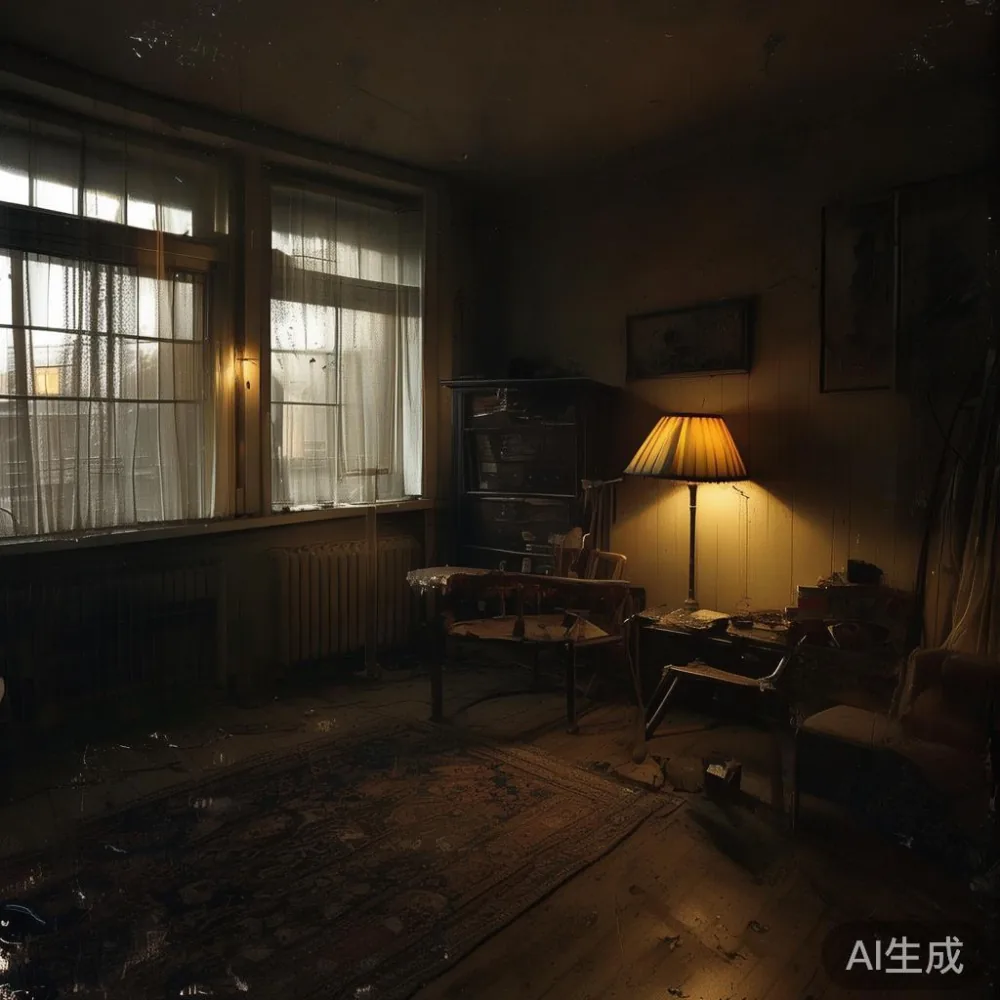
Wood is a hygroscopic material, which is a scientific way of saying it absorbs and releases moisture from the air. Think of it like a sponge, but a very slow and structured one. Within the wood are millions of tiny cells, or pores. When the humidity is high, these pores draw in water vapour, causing the wood fibres to swell. When the humidity drops, the wood releases this moisture and contracts. This natural process, known as movement, is completely normal for solid wood. However, in a place like Singapore, where the relative humidity rarely dips below 70% and can often reach 90%, the wood is almost constantly in a state of expansion.
This continuous swelling puts immense stress on the furniture's construction. Joints that were once tight can begin to loosen. Drawers in a wardrobe might start to stick or become misaligned. A solid wood dining table, which might be 180 cm long, can expand by several millimetres, potentially causing stress on the central support or the table legs if not designed with this movement in mind. This is why a 10-year structural warranty from a manufacturer is a critical indicator of quality; it signals confidence that their joinery can withstand the natural stresses of the environment.
What Are the Visible Signs of Humidity Damage?
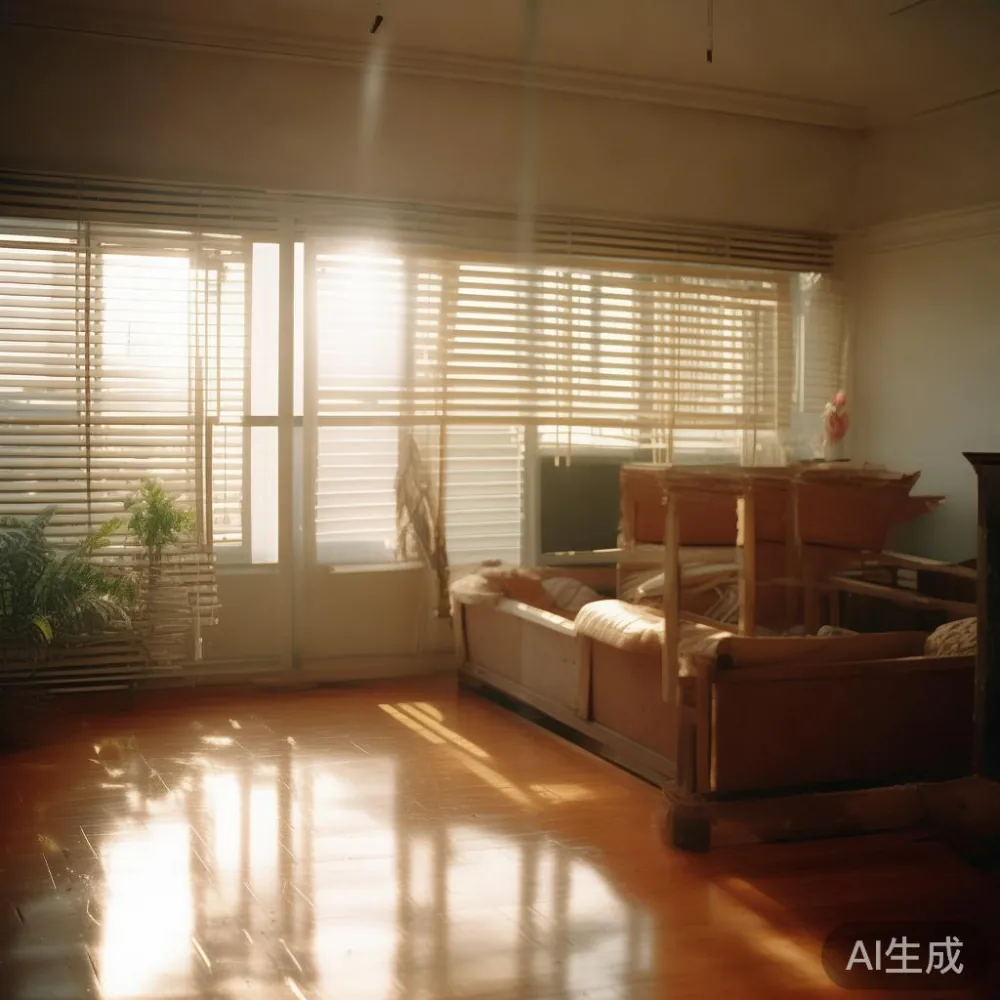
The effects of high humidity aren't always immediate, but they manifest in several distinct ways. Recognising these signs early can help you take corrective action before minor issues become major problems. The key is to know what to look for on your sofa, bed frame, or nightstand.
One of the most common signs is **gapping**. You might notice small cracks appearing on the surface of a solid wood table or on the panels of a wardrobe door. This occurs as the wood expands beyond its capacity. Conversely, if a piece of furniture is moved from an air-conditioned room to a more humid balcony, the rapid swelling can cause joints to split. Another tell-tale sign is **warping or cupping**. A flat tabletop might start to curve upwards at the edges, or a wide plank of wood might cup along its length. This happens because the top surface absorbs moisture faster than the bottom, causing uneven expansion. For a sofa, the frame might remain stable, but the upholstery can show signs of stress, with seams pulling tight or cushions fitting less snugly against the wood structure over time.
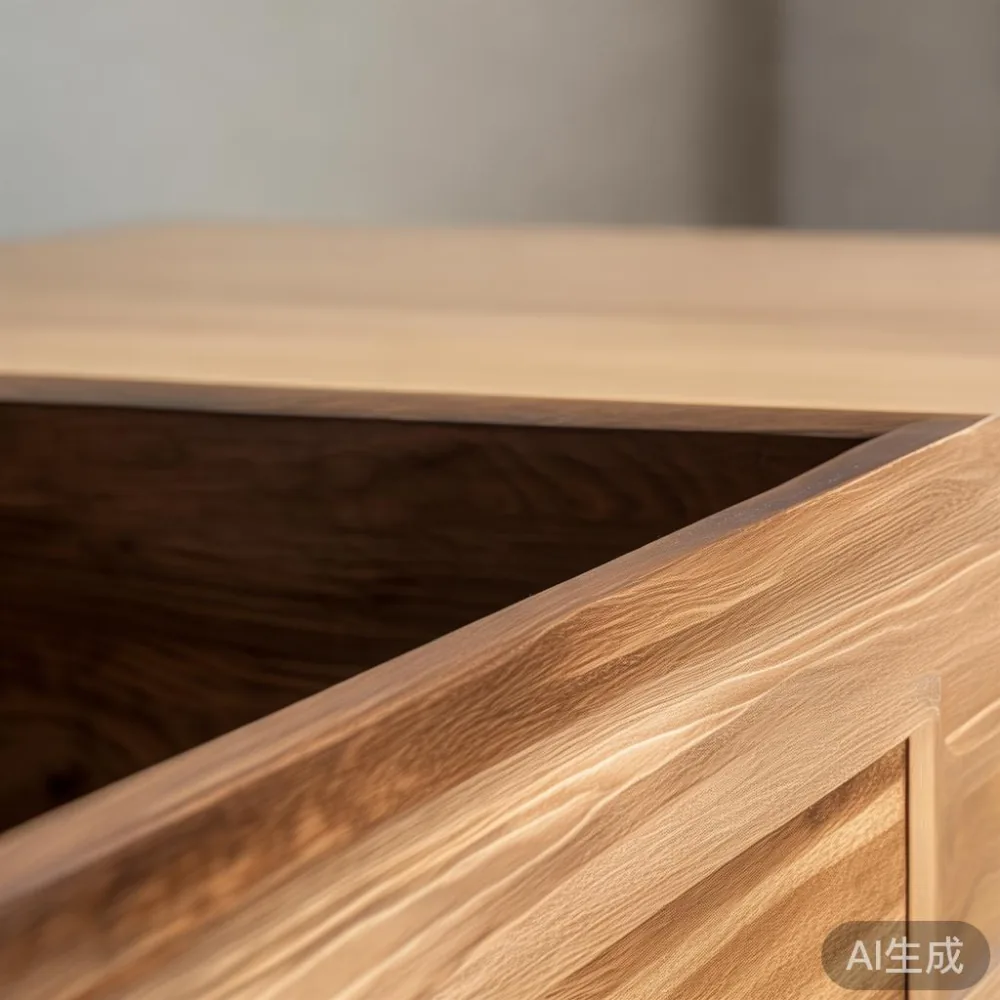
A less obvious but equally important issue is **joint failure**. The glue in dovetail joints or mortise and tenon joints can weaken with repeated cycles of expansion and contraction. This can lead to a wobbly chair, a loose leg on a bed frame, or a drawer front that has become detached. In severe cases, a piece of furniture can become structurally unsound. This is where the problem of **missing parts** can arise. A joint failure might not just break the connection; it could splinter a wooden component, rendering a screw or a cam lock useless and creating a need for a replacement part that was never intended to be sold separately. This is why understanding the environment is the first step in preventing furniture failure.
How Singapore's Specific Living Conditions Amplify the Problem
Singapore's climate is a constant factor, but the specific conditions within your home can create micro-climates that are even more challenging for your furniture. The difference between an HDB flat in Bedok and a high-rise condo in Tampines can be significant, not just in terms of lift and corridor widths for delivery, but in terms of environmental control.
Air-conditioning is a double-edged sword. While it cools the air, it doesn't remove moisture effectively. In fact, an air-conditioner can lower the temperature to a pleasant 24°C but leave the relative humidity at a high 75-80%. This cool, moist air is still perfectly capable of causing wood to swell. The real problem arises when there are rapid temperature swings. For instance, leaving your windows open on a humid evening and then turning on the full blast of air-conditioning the next morning subjects your furniture to a shock. The wood on the outer surface cools and contracts rapidly, while the interior remains warm and expanded. This stress can lead to cracking. Also, many Singaporean homes experience poor ventilation, especially in windowless bathrooms or kitchens. Trapped moisture can seep into adjacent rooms, creating a localised high-humidity zone that your furniture is constantly exposed to.
The logistics of furniture delivery in Singapore also play a role. A solid wood wardrobe might be delivered to your Punggol apartment on a rainy day. The piece itself, having been in a dry warehouse, will begin to absorb moisture the moment it's brought into the humid air. If it's left in its packaging for a few days in a non-air-conditioned corridor, the moisture absorption can be uneven. This is why it's advisable to unpack and acclimate new furniture in the room where it will live for at least 48 hours before assembly. This allows the wood to slowly adjust to the specific humidity of its new home, minimising the shock of sudden movement. A delivery from a company like MIDHILL, which offers free shipping over SGD 350, ensures your purchase arrives safely, but the final responsibility of acclimatisation falls to the homeowner.
What Can You Do to Protect Your Furniture?
Protecting your solid wood furniture from Singapore's humidity is not about fighting nature, but about managing its effects. With a few consistent practices, you can significantly extend the life and beauty of your pieces. The goal is to create a stable environment for your furniture, reducing the extreme fluctuations that cause the most damage.
The most effective tool is a **dehumidifier**. Placing one in the same room as your most valuable furniture, like a solid wood dining table or a marble table top, can work wonders. A good dehumidifier can reduce the relative humidity to a more stable 50-55%, which is much healthier for wood. Run it, especially during the wetter months from November to January, or on particularly muggy days. For those who live in apartments where space is a premium, a smaller, portable unit can be used in the bedroom to protect your bed frame and nightstand. Another key practice is **consistent airflow**. After a shower, leave the bathroom door open and turn on the exhaust fan. Use ceiling fans regularly to keep air moving. This prevents moisture from settling. When cleaning your furniture, always use a slightly damp, not wet, cloth and wipe it dry immediately. Never leave a wet glass or a potted plant with a saucer directly on the wood surface, as the constant contact with moisture can leave a permanent watermark or cause the wood to rot over time.
For long-term care, **regular maintenance** is non-negotiable. A high-quality furniture oil or wax creates a protective barrier that helps slow down the rate of moisture absorption. Applying it every 3-6 months, depending on usage, nourishes the wood and provides a layer of defence. It's also wise to avoid placing furniture directly in front of air-conditioning vents or heaters, as the direct blast of dry or cold air will cause one side of the piece to dry out or contract faster than the other. If you notice a small gap forming on a table top, don't panic. It might close up when the humidity rises. However, if a gap continues to widen or a joint becomes loose, it's a sign that the environment is too extreme for the piece, and you need to intervene with a dehumidifier or better ventilation.
How to Choose Furniture That Can Handle the Humidity?
Prevention is always better than a cure. When selecting new furniture for your Singapore home, choosing pieces that are specifically designed or suited for a humid climate is one of the smartest decisions you can make. This means looking beyond just the style and considering the construction, materials, and design philosophy. The concept of 'light luxury' has become increasingly popular, and many of these styles are inherently more practical for our climate.
Look for furniture made from **stable hardwoods**. Woods like Teak, White Oak, and Walnut are naturally more resistant to movement than softer woods like Pine or Rubberwood. They have a denser grain structure, which makes them less prone to absorbing and releasing moisture. The construction is equally important. Furniture that uses **dovetail joints**, **mortise and tenon joints**, and **dowels** is far more durable than one held together with staples or simple screws. These traditional methods of joinery are designed to flex and move with the wood, rather than fight against it, preventing the kind of joint failure that leads to **missing parts**. When considering a wardrobe, ask about the internal drawer slides. Full-extension, soft-close metal slides are less likely to warp and stick than wooden ones in a high-humidity environment.
When shopping, it's helpful to understand different furniture styles. For instance, a French light luxury sofa often features elegant, carved legs and plush upholstery, which can be beautiful but requires careful placement away from direct sunlight and humidity sources. An American light luxury style might focus on clean lines and solid construction, using high-quality leathers that can breathe better than some synthetic fabrics. The post-modern light luxury aesthetic, with its bold shapes and mix of materials, often incorporates metal and glass alongside wood, which can be a practical choice as these materials are not affected by humidity. When browsing online, you might come across searches for 'top 10 light luxury furniture' or 'how to style light luxury wardrobe in apartment'. These lists can be a good starting point for inspiration, but always dig deeper into the product specifications to confirm the wood type and construction quality.
Is a Japandi-Style Sofa a Better Choice for Humid Singapore?
The Japandi style, a beautiful fusion of Japanese minimalism and Scandinavian functionality, has taken the Singaporean design world by storm. Its emphasis on natural materials, clean lines, and a sense of calm makes it seem like a perfect fit for our urban homes. But for humidity, is a Japandi sofa truly the superior choice? The answer lies in understanding the philosophy behind the style.
A Japandi sofa is typically defined by its form: low to the ground, with simple, geometric shapes and an emphasis on the natural texture of the wood and fabric. The frame is often made from light-coloured woods like Ash or Oak, which are beautiful but can be more susceptible to colour change and slight movement in high humidity. The upholstery usually features natural fibres like linen, cotton, or wool. While breathable, these fabrics can absorb moisture from the air, potentially leading to a musty smell if the room is not well-ventilated. When considering 'how to choose Japandi sofa', the key is not to assume the style itself is more humidity-resistant, but to look for the quality indicators within that style. A high-quality Japandi sofa will use a stable hardwood for its frame, have excellent joinery, and the fabric will be treated for stain resistance and mould protection.
The real question is whether Japandi or Italian light luxury with storage is better for your specific needs. An Italian light luxury sofa might feature rich, aniline-dyed leather, which is breathable and ages beautifully, developing a patina over time. It often comes with more substantial, solid wood frames. However, it can be significantly more expensive. A Japandi sofa, on the other hand, aligns perfectly with the 'top 10 Japandi furniture' trend for its understated elegance and focus on craftsmanship. It offers a different kind of luxury—one of simplicity and material honesty. The decision between a French sofa vs Italian light luxury sofa often comes down to personal taste, but for durability in a humid climate, the solid wood frame and quality leather of the Italian piece might have a slight edge, while the Japandi sofa offers a different aesthetic that many Singaporeans love. The most important factor is always the quality of the materials and construction, regardless of the style name.
My Experience: A Solid Wood Dining Table in a Tampines Condo
Theory is one thing, but real-world experience is another. Last month, I visited a colleague in her new Tampines condominium to help her set up her dining area. She had purchased a beautiful solid wood dining table from a well-regarded brand. The table was 220 cm long, with a thick, substantial top and elegant turned legs. It was a statement piece, exactly what she wanted for her open-plan living and dining area. However, within two weeks of moving in, she called me in a panic. A significant, 3mm gap had opened up along one of the seams on the table's surface.
Her first thought was that the table was faulty. We immediately checked the warranty information; the company offered a 10-year structural warranty, which was reassuring. We also noted their policy on **missing parts**, which was clear and customer-friendly. But before assuming a defect, I asked about her home environment. Her condo was on a high floor with fantastic cross-ventilation. She loved to keep the windows open to enjoy the breeze. The problem was that she lived in Tampines, where the sea breeze, while pleasant, carries a lot of moisture. The table, which had been in a dry warehouse and showroom, was now experiencing a constant, high level of humidity, causing it to expand. The gap wasn't a sign of poor construction; it was a sign of the wood doing exactly what it's supposed to do.
Our solution was simple and effective. We advised her to get a small dehumidifier for the dining room and to run it for a few hours each evening, especially on days when she had the windows open. We also suggested she use coasters under glasses and wipe up any spills immediately. Within a week, the gap had noticeably reduced. It was a valuable lesson for both of us. It demonstrated that even the highest quality furniture needs a little help to adapt to our unique Singaporean climate. It also highlighted the importance of a good warranty; knowing that a company stands behind its product provides immense peace of mind. My colleague learned that caring for her table was part of the ownership experience, and she now appreciates its natural character even more.
Final Thoughts on Caring for Wood in the Lion City
Owning solid wood furniture in Singapore is a commitment to both beauty and maintenance. The high humidity is a fact of life, but it doesn't have to be the enemy of your beloved pieces. By understanding how wood reacts, recognising the early signs of stress, and taking proactive steps to manage your home's environment, you can ensure your furniture remains a source of pride and comfort for years to come.
Regular care, such as applying protective oils and ensuring good airflow, combined with the strategic use of a dehumidifier, can make a world of difference. When purchasing new items, always prioritise quality construction and stable hardwoods. A 10-year structural warranty is a good benchmark for a manufacturer's confidence in their product's ability to withstand environmental stress. Remember, the goal is not to create a perfectly dry environment, which can be just as damaging, but to achieve a stable one. Your furniture is an investment, and like any investment, it requires a little attention to pay off in the long run. For those looking to make a purchase, resources like api.midhill.co can provide detailed product information to help you make an informed decision. Ultimately, a little knowledge and consistent care will allow you to enjoy the timeless warmth and character of solid wood in your Singapore home, no matter the weather outside.