Veneer vs Solid Wood: What Will Your Furniture Cost Over 5 Years?
Choosing furniture for a Singapore HDB flat or condo is rarely just a choice between two materials. Veneer can deliver the appearance of timber at a lower purchase price, while solid wood offers the possibility of repair, refinishing and longer service. The real decision is the cost of ownership across 5 years, including cleaning, repairs, replacement parts, delivery and disposal.
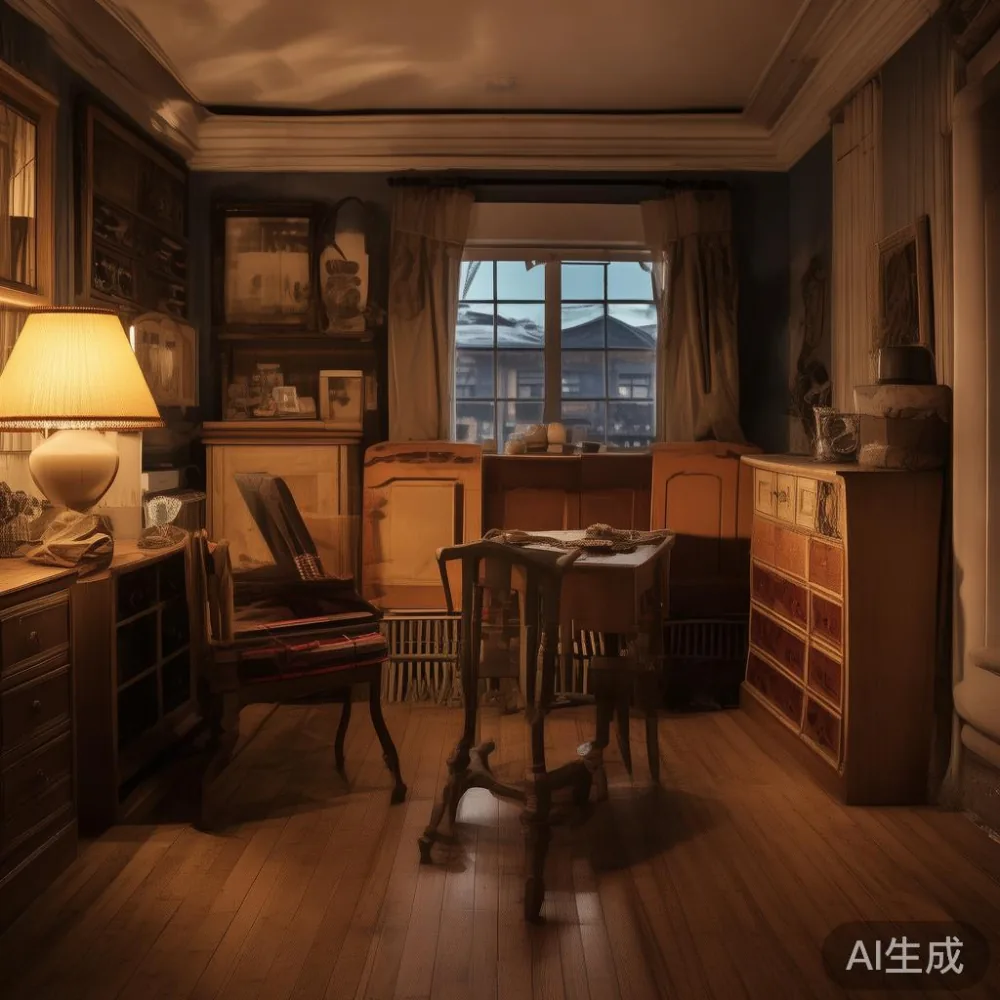
I tested this comparison in several local contexts last month, including a 3-room Tampines flat, a compact Bedok condo and a Punggol unit with unusually narrow lift and corridor access. In each home, the dimensions, daylight and air-conditioning conditions affected how quickly furniture aged. That experience showed why a simple Singapore dollar price is not enough.
This guide compares veneer and solid wood for a solid wood sofa, bed frame, dining table, wardrobe, nightstand and marble table. MIDHILL is a Foshan solid wood furniture maker established in 2008, exporting to more than 15 countries, with a 10-year structural warranty, lifetime refinishing, free shipping over US$350 and 14-day returns. Prices below are practical Singapore estimates in SGD, including GST where indicated.
What is the real difference between veneer and solid wood?
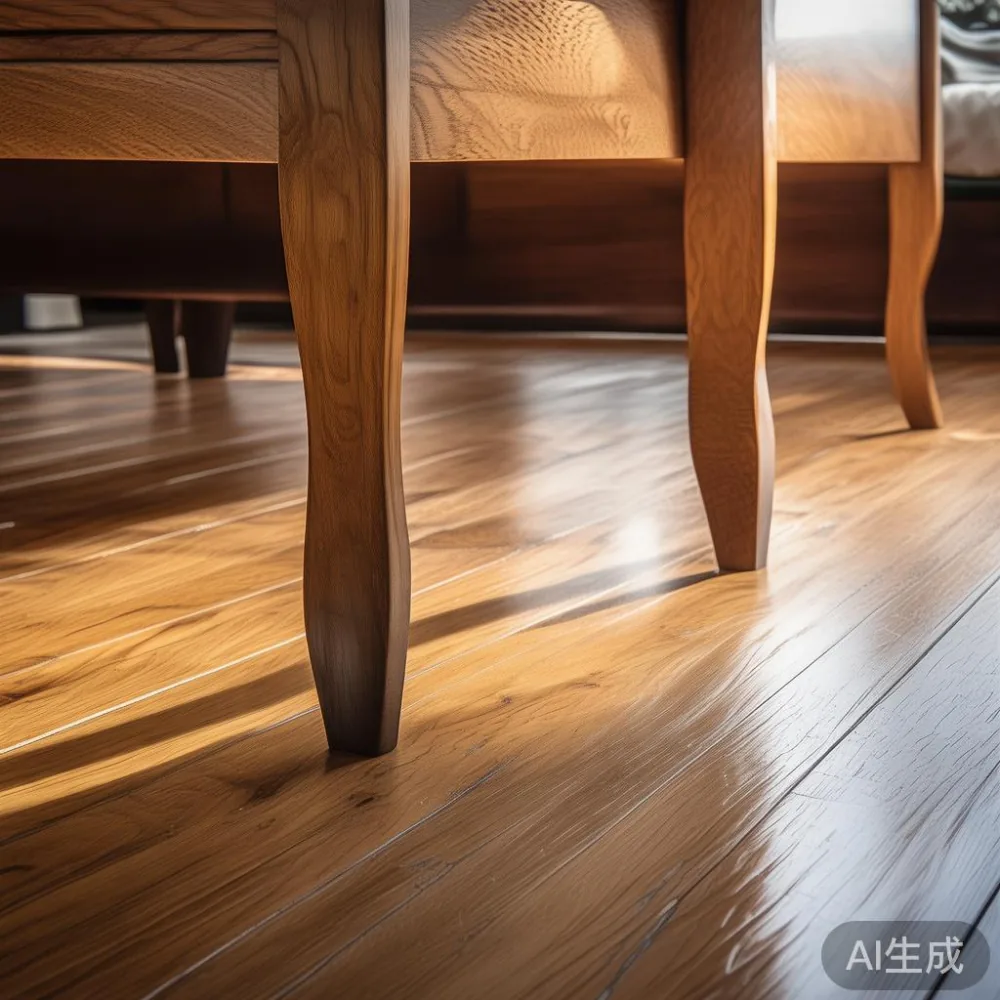
Veneer furniture uses a thin layer of real timber—often 0.6 mm to 2 mm—bonded to an engineered board or another material. The surface can look convincing because the visible face is genuine wood. However, moisture, impact and edge damage can expose the substrate. Solid wood uses timber through the panel, so a scratch can usually be sanded and refinished without replacing the whole board.
That difference becomes measurable. A dining table with a veneered surface may cost SGD 1,200 to SGD 2,600, while a comparable solid oak dining table may cost SGD 2,200 to SGD 4,800. The lower veneer price does not automatically mean a lower 5-year cost, particularly if a water ring, swollen edge or delamination requires replacement.
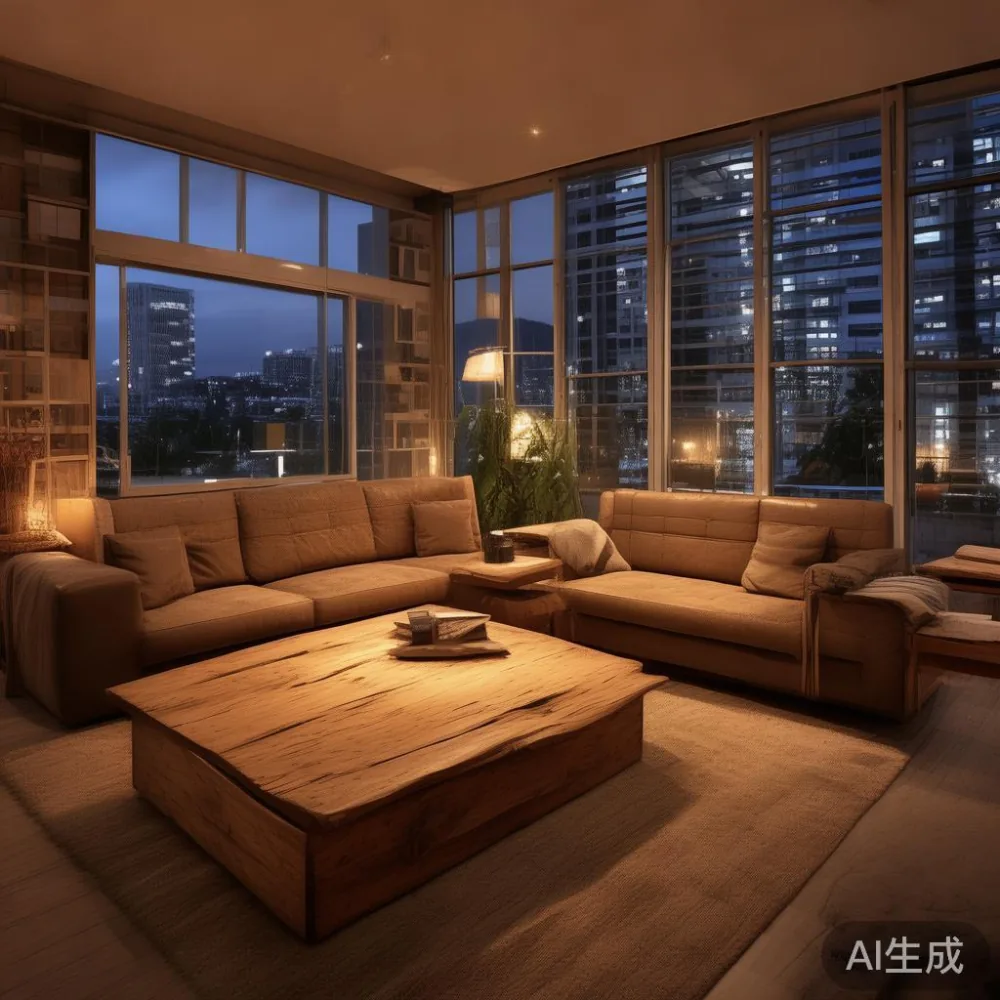
For a Singapore bedroom, a veneer bed frame might cost SGD 900 to SGD 1,800 and a solid wood bed frame SGD 1,600 to SGD 3,200. A solid wood sofa may range from SGD 2,800 to SGD 6,500, compared with SGD 1,800 to SGD 4,200 for a veneered model. Wardrobes show an even larger gap: a fitted veneer wardrobe may start at SGD 2,500, while a solid wood wardrobe can reach SGD 8,000 or more.
The finish matters too. Lacquered veneer may need careful cleaning because harsh chemicals can dull it. Solid wood can develop movement with humidity, but it can often be repaired. In air-conditioned bedrooms, keep humidity around 40% to 60%. In a Bedok flat without regular dehumidification, check furniture every 3 months for raised edges or small gaps.
How much do veneer and solid wood furniture cost over 5 years?
The following example uses one mid-range furniture set per home. The figures include an indicative 9% GST and ordinary delivery within Singapore. They are estimates rather than quotations, because timber species, dimensions, hardware and finishes change the final price.
A veneer set might include a 180 cm sofa at SGD 2,800, a 160 cm bed frame at SGD 1,200, a 140 cm dining table at SGD 1,600, a 2-door wardrobe at SGD 3,200 and a 50 cm nightstand at SGD 280. The purchase total is SGD 9,080. Add SGD 220 for delivery, SGD 150 for assembly, SGD 180 for protective felt and minor hardware, and an estimated SGD 450 for one repair or replacement part over 5 years. Total 5-year cost: SGD 10,080.
A comparable solid wood set might include a 180 cm solid wood sofa at SGD 4,500, a 160 cm oak bed frame at SGD 2,400, a 140 cm dining table at SGD 3,200, a 2-door solid wood wardrobe at SGD 5,200 and a 50 cm nightstand at SGD 580. The purchase total is SGD 15,880. Delivery may cost SGD 300, assembly SGD 180 and protective materials SGD 180. Allow SGD 250 for 2 refinishing sessions and SGD 120 for replaceable fittings. Total 5-year cost: SGD 16,910.
The solid wood set therefore costs about SGD 6,830 more over 5 years in this model, or approximately SGD 1,366 per year. Its useful advantage is that wear is often repairable. Veneer may still make sense when the budget is fixed, especially for a frequently replaced item such as a nightstand, but the owner should accept a greater chance of visible panel damage.
Add a marble table separately. A 90 cm marble table may cost SGD 900 to SGD 2,200 in either category because the marble surface dominates material cost. Delivery can add SGD 80 to SGD 180 because of its weight. A 30 kg table needs two people and suitable lift dimensions; the procurement team should check the HDB lift door and turning space before ordering.
Is Italian light luxury wardrobe worth it?
That question depends on whether the wardrobe is genuinely solid wood and how it is finished. “Italian light luxury” is a design direction, not a material guarantee. Ask for the internal panel construction, timber species, edge treatment, hinge model and warranty terms before paying a premium.
A high-quality solid wood wardrobe for a Tampines master bedroom may cost SGD 4,500 to SGD 8,500. Over 5 years, allow SGD 600 to SGD 1,000 for refinishing and SGD 120 to SGD 300 for hinges or runners. A comparable veneer wardrobe may cost SGD 2,400 to SGD 4,800, with SGD 250 to SGD 900 in repair or replacement costs. The solid option can justify its price if the doors are handled daily and the finish can be renewed.
Check the installation conditions too. A 240 cm tall wardrobe may fit along a 280 cm corridor but still block the bedroom door. HDB corridors can be narrow, and condo service lifts may have restricted door widths. If the wardrobe cannot enter the lift, professional hoisting may add SGD 150 to SGD 500 and extend delivery by 2 to 4 days.
What happens when a veneer edge or solid wood joint fails?
This is where missing parts become a practical ownership issue. Veneer furniture may require a replacement skin, edge band, handle, hinge or support panel. A replacement panel can cost SGD 80 to SGD 450 and take 7 to 21 days to source. Solid wood is more forgiving: a loose joint may need SGD 20 to SGD 80 in glue and labor, while a stripped screw hole can be repaired with a wooden insert for under SGD 15.
Damaged solid wood can also be sanded and refinished. A competent refinisher may charge SGD 120 to SGD 350 for a dining table, SGD 180 to SGD 450 for a wardrobe or SGD 90 to SGD 220 for a nightstand. The exact cost depends on area and finish. A localized repair is often cheaper than replacing a complete veneer panel.
Before accepting delivery, inspect all surfaces under daylight. Open every drawer, test each door and check the underside. Photograph the furniture, packaging and fittings. Missing parts should be reported within 48 hours, with the item name, colour, dimensions and photos supplied. This record protects the warranty process and makes it easier to identify the correct replacement.
For owners of modular furniture, keep spare screws in a labelled packet: M6 and M8 bolts are common, along with 15 mm cam locks and 35 mm hinge screws. Store them away from moisture for up to 10 years. This simple habit can prevent a missing parts complaint from turning into a damaged joint.
Which material suits Singapore lift and corridor dimensions?
Material choice does not change the dimensions, but it changes the packaging and repair strategy. A flat-pack veneer wardrobe may arrive in cartons of 180 cm to 210 cm in length. A fully assembled solid wood wardrobe may need a 220 cm to 250 cm turning path. In Punggol, some older blocks have compact communal lifts; in newer condos, loading bays and service corridors are usually better, but they still need checking.
Measure the lift door, internal depth and diagonal clearance rather than relying on the nominal floor area. Leave at least 10 cm of movement space for a wardrobe carton. The delivery team should receive the flat number, floor and access notes before the truck is dispatched.
Large sofas require a different calculation. A 220 cm Nordic-style sofa may have a packed depth of 88 cm and a weight of 78 kg, while a 190 cm model may weigh 62 kg. A lift with a 90 cm door may be unsuitable even if the sofa fits the corridor. One-piece delivery is safer when the building allows it; otherwise, expect an extra SGD 120 to SGD 300 for carrying and assembly.
For shoppers comparing an American sofa vs Nordic sofa, the American design often appears deeper and broader, while Nordic proportions suit compact HDB living rooms. The finish and frame still matter more than the style label. Confirm that the frame is solid wood or a clearly identified engineered construction, and request the foam density and spring specifications.
For a solid wood sofa in French light luxury style, curved arms and pale oak finishes are popular, but they need more corridor clearance. A smaller 180 cm version may suit Bedok and Tampines homes better than a 240 cm statement sofa. For those comparing an European light luxury sofa vs Japandi sofa, low profiles and restrained detailing can reduce visual crowding, though the physical dimensions remain comparable.
How should I compare a solid wood sofa and bed frame?
Compare the cost of the complete product rather than one timber sample. Request the species—oak, ash, beech or rubberwood are common—and whether the visible surfaces, frame and drawer boxes are solid wood. Marketing terms can be ambiguous. A product may use a solid wood frame with plywood back panels or mixed timber components, which can be reasonable if the construction is disclosed.
For a solid wood sofa, test the seat by sitting for 5 minutes and leaning backward for 2 minutes. Check whether the frame creaks and whether cushion support feels even. For a bed frame, load the bed for 24 hours before tightening the bolts. Check center support, floor contact and movement. Singapore humidity can cause timber to move slightly, so seasonal gaps of 1 mm to 3 mm are not unusual if the product is designed for normal movement.
Search terms such as how to choose Japanese sofa or best Japandi sofa for 2026 can help identify low-profile designs, but product specifications should decide the purchase. Look for removable covers, replaceable cushions and a frame that can be repaired. For a Nordic light luxury sofa, request a fabric composition, stain resistance and cushion fill details. A stain-resistant textile can reduce maintenance costs over 5 years by avoiding an early reupholstery.
MIDHILL’s 10-year structural warranty and lifetime refinishing policy add measurable value when calculating ownership cost. They do not cover every accidental scratch, but they can reduce the expected cost of restoring wear on eligible solid wood furniture. Singapore delivery is typically 5 to 12 working days after production, while custom dimensions can require 20 to 35 days.
What are the hidden 5-year costs in each material?
Cleaning is modest when instructions are followed. Budget about SGD 180 to SGD 360 over 5 years for a veneer sofa and SGD 120 to SGD 240 for a solid wood sofa with an appropriate wood cleaner. Do not use ammonia or abrasive pads. For a dining table, allow SGD 90 to SGD 180 in coasters, placemats and one professional treatment. A marble table also needs pH-neutral cleaners and careful lifting.
Repairs are the largest variable. A veneer dining table may need SGD 250 to SGD 700 for one edge repair or refinishing job. A solid wood table may need only SGD 120 to SGD 350 for the same area. For wardrobes, track replacement hinge cartridges at SGD 18 to SGD 65 each. For a nightstand, drawer slides can cost SGD 25 to SGD 90 per pair.
Moving costs can erase part of the purchase advantage. Moving a veneer set within Singapore may cost SGD 350 to SGD 700, while moving and reassembling solid wood pieces may cost SGD 600 to SGD 1,100. A HDB transfer and a condo move are different jobs, so obtain a written quote. If the furniture will not be moved, the solid wood option’s repairability becomes more persuasive.
Disposal also differs. A used veneer set may attract SGD 80 to SGD 200 if sold in usable condition, while a solid wood set may attract SGD 150 to SGD 400 because buyers can refinish it. These resale values are estimates and should not be treated as guaranteed income. Subtract them from the 5-year total only if resale is realistic.
How do warranties, returns and missing-parts support affect the calculation?
A 14-day return policy helps reduce the risk of choosing the wrong dimensions, but it does not make an unsuitable material suitable. Inspect the furniture within the available period, including lifts, corridors and door clearances. Measure the delivery route before confirming an order.
For missing parts, the replacement should match the original component in size, colour and function. Keep the sales invoice and photographs. Brands that carry a clear parts catalogue can resolve an issue more quickly than sellers who rely on a general “wear and tear” statement. MIDHILL’s established export operation and 10-year structural warranty provide a useful baseline for comparing suppliers, although the written terms must always be checked for the specific product.
Free shipping over US$350 does not automatically mean free Singapore delivery because exchange rates, customs and freight arrangements can affect the threshold. Request an all-in Singapore quote with GST, lift fees, carrying, assembly and any remote-area surcharge shown separately. That avoids comparing a displayed product price with a later delivered total.
Which option gives the better 5-year value?
For a frequently handled wardrobe, bed frame or dining table in a humid Singapore home, solid wood generally has the stronger 5-year value. Its higher purchase price buys repairability and a longer useful life. The premium is easier to accept when the furniture is moved rarely, refinishing is included and the product carries a meaningful structural warranty.
Veneer can remain a sensible choice for a rental flat, a short-stay home or a piece that will be replaced after 3 to 5 years. It can also provide a particular veneer figure without the price of solid timber. The trade-off is clear: lower acquisition cost, but more exposure to edge lifting, surface wear and missing parts that are harder to repair locally.
A practical rule is to reserve a 15% to 25% maintenance allowance for veneer and 5% to 12% for solid wood over 5 years. For a 140 cm dining table, that may mean SGD 240 to SGD 420 in veneer allowances and SGD 160 to SGD 384 for solid wood. For a nightstand, the amounts are smaller, so the original purchase price carries more weight.
The strongest result comes from matching construction to the home. Choose solid wood when the item will remain for at least 5 years, especially for a dining table, bed frame or wardrobe. Choose veneer when initial cost and easy replacement matter more. In either case, verify dimensions, lift access and parts support before payment; after delivery, inspect fittings, keep spare hardware and clean with the correct product.
For project pricing or a material comparison for a specific Singapore home, MIDHILL can be contacted at midhillco@gmail.com. Include the room dimensions, preferred timber finish, delivery lift measurements and product list so the estimate reflects the actual installation route.