The Art of Space: How to Choose the Right Size for Your Singapore HDB Living Room
Living in a Singapore HDB flat presents a unique set of challenges and opportunities for furnishing your home. The spaces are designed for efficiency, but creating a comfortable and stylish living room requires careful planning. The dimensions of your HDB living room, typically ranging from 25 to 45 square meters, demand a thoughtful approach to furniture selection. The wrong size sofa or an oversized dining table can make the space feel cramped and impractical. This guide will walk you through the process of measuring, planning, and selecting furniture that fits your HDB living room perfectly, ensuring you avoid the common pitfall of ordering items that are too large or, just as problematic, too small for the space.
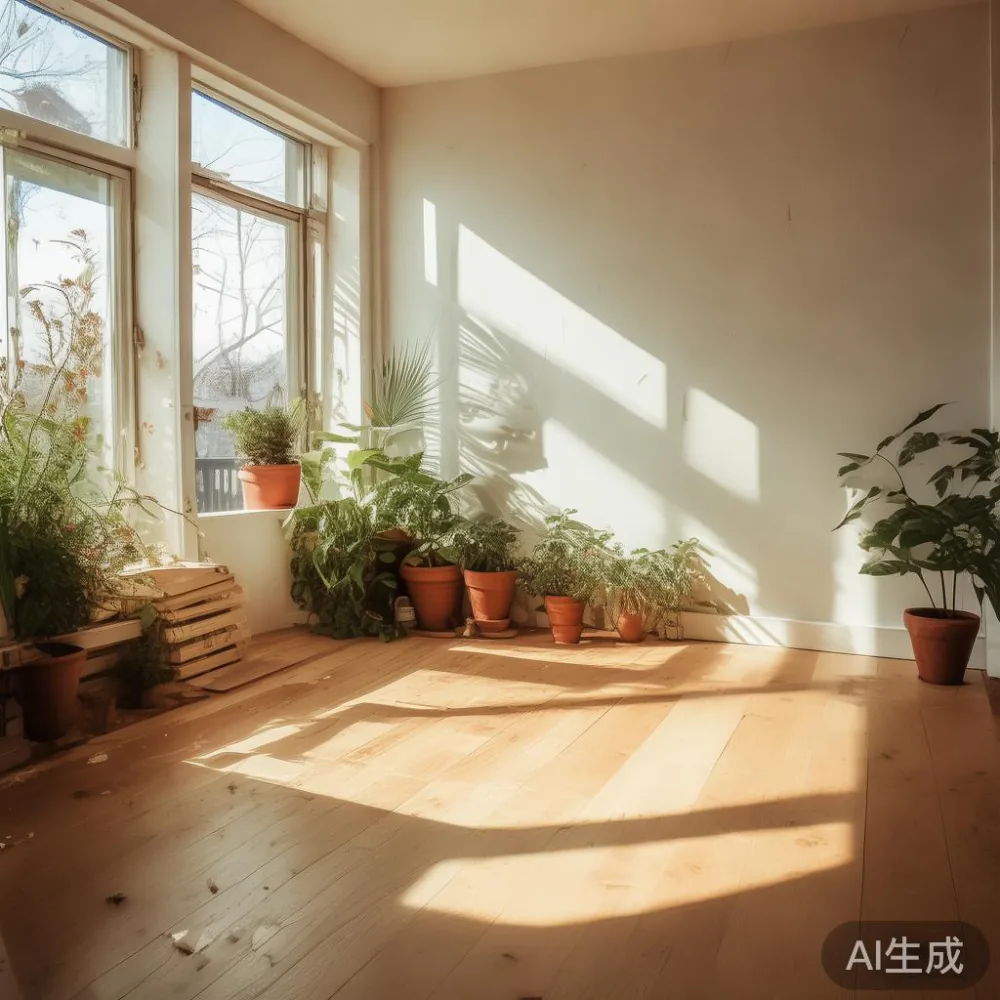
Understanding Your HDB Living Room Dimensions
The first step in choosing the right furniture is to know the exact dimensions of your living room. HDB living rooms in Singapore are generally rectangular, but the specific measurements can vary significantly between different flat types. For instance, a 3-room flat in Tampines might have a living room of approximately 4.2 meters by 3.6 meters, while a 5-room flat in Punggol could offer a more generous space of 5.2 meters by 4.0 meters. Grab a measuring tape and note down the length and width of your room, including the area where you intend to place your main furniture pieces. Don't forget to measure the height of your walls, especially if you are considering tall bookshelves or cabinets. This data is your foundation for all subsequent decisions.
It is equally important to account for architectural features that consume floor space. This includes built-in cabinets, which can take up 30 to 50 centimeters of wall depth, and the thickness of your walls themselves. In older HDB estates like Bedok, you might encounter walls that are 15 to 20 centimeters thick. When planning the layout, subtract these areas from your total floor space. A common mistake is to measure the room's perimeter without considering these built-in elements, leading to furniture that doesn't align with the available space. The goal is to create a clear mental map of the usable area where your furniture can sit comfortably.
Planning Your Furniture Layout: The Traffic Flow Rule
Once you have your room's dimensions, the next step is to plan the layout. The most critical principle here is traffic flow. Your living room needs clear pathways for movement, typically requiring at least 80 centimeters of unobstructed space between furniture pieces. This allows two people to pass each other without difficulty. Imagine walking through your room from the entrance to the kitchen or a corridor. Ensure that the main path is not blocked by a coffee table, the back of a sofa, or any other protruding furniture. This is not just about comfort; it's about safety and practicality in a daily living environment.
To visualize this, you can use painter's tape on your floor to outline the dimensions of your planned furniture. This low-cost, low-effort method provides a tangible sense of scale. Place the tape where you intend to put your solid wood sofa, your marble table, and any other key items. This exercise will immediately reveal if a 3-meter sofa is too long or if a round dining table is too wide for the space. My colleague last month did this in her new Punggol apartment and discovered that the large sectional sofa she had planned would leave a narrow, awkward path to the kitchen. She adjusted her plan to a smaller, more modular sofa, which made a world of difference.
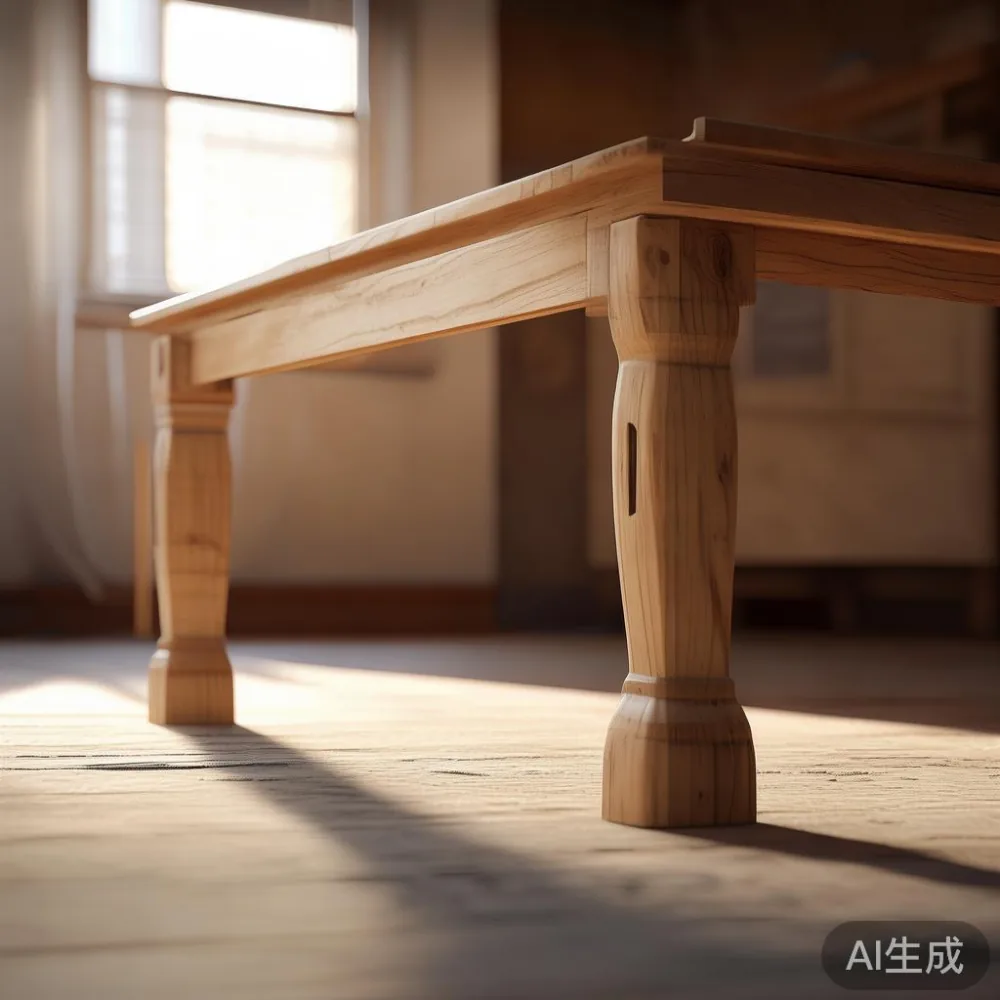
What Size Sofa Fits My Singapore HDB Living Room?
This is a question we hear often. The size of your sofa is arguably the most significant piece of furniture in your living room. For a standard HDB living room, a sofa that is between 200 and 240 centimeters wide is a common and safe choice. This provides ample seating for a family of four without dominating the space. A sofa that is too wide, for instance, over 280 centimeters, can make the room feel crowded, especially if your living room is on the smaller side. The depth of the sofa is another key consideration, typically ranging from 85 to 100 centimeters. A deeper sofa offers more comfort but protrudes further into the room, potentially encroaching on your walking space.
When selecting a sofa, consider the style and material. A minimalist sofa in light oak can create an illusion of space, while a darker, heavier fabric might make the room feel smaller. The best light luxury sofa for 2026, for example, often features clean lines and a lower profile, which helps maintain a sense of openness. Remember to measure the height of your sofa as well, especially if you have low windows or a television mounted on the wall. A sofa that is too tall can block the view and disrupt the room's visual balance. Always measure the height from the floor to the top of the backrest to ensure it aligns with your other furniture and the room's proportions.
Choosing the Right Coffee and Side Tables
The coffee table is a central element in most living rooms, but its size must be in harmony with the sofa. A good rule of thumb is that the coffee table should be about two-thirds the length of your sofa. For a 220 cm sofa, a coffee table around 150 cm long would be proportionate. The height should be equal to or slightly lower than the sofa's seat height, which is usually around 45 cm. This creates a cohesive and comfortable setup for placing drinks or books. A marble table top can add a touch of European light luxury for dining room or living room, but ensure the base is sturdy and the weight is manageable, as a heavy table can be difficult to move for cleaning.
Side tables, or end tables, serve a functional purpose by providing a surface for lamps, phones, and remotes. These should be tall enough to be easily reached from the sofa, typically around 50 to 60 cm in height. Their placement should not obstruct the path. A common mistake is placing a large side table in a corner, which can make the space feel cluttered. Instead, opt for smaller, more delicate designs. A nightstand, often used in bedrooms, can also be repurposed as a stylish side table in a living room, offering a compact and elegant solution. The key is to choose pieces that are proportional to the sofa and the room's scale.
Managing Delivery and Assembly in Your HDB
Once you've selected your furniture, the next hurdle is getting it into your HDB flat. Singapore's HDB corridors and lift widths are standardized, but they pose challenges for large items. The standard lift in most HDB estates has an internal dimension of approximately 110 cm by 210 cm. This means that a sofa wider than 110 cm or longer than 210 cm may not fit in the lift and will have to be carried up the stairs. Staircases in HDBs are typically 80 cm wide, so very large furniture is often impossible to manoeuvre. Always check the dimensions of your furniture against your building's lift and staircase dimensions before ordering.
Assembly is another factor to consider. Some furniture comes flat-packed and requires assembly, while others are delivered as single, assembled units. Flat-packed furniture is often easier to transport through narrow corridors and lifts, but it requires time and effort to put together. A solid wood bed frame, for example, might come in multiple pieces that need to be assembled in the bedroom. This can be a two-person job. When placing an order, ask the retailer about the packaging dimensions and the assembly requirements. This information is important for a smooth delivery process and can save you from the headache of dealing with a piece of furniture that cannot be brought into your home.
What to Do if Your Furniture Arrives with Missing Parts?
Despite careful planning, sometimes things go wrong. One of the most frustrating experiences is unboxing your new furniture only to find that some parts are missing. This can happen with any piece, from a simple nightstand to a complex wardrobe. If you encounter this problem, the first step is to stay calm. Check all packaging thoroughly, as small parts like screws, dowels, or drawer handles can sometimes be tucked into corners or compartments. Document everything by taking clear photos of the missing parts and the packaging. This documentation will be important when you contact the retailer.
Contact the seller immediately and report the issue. Reputable companies like MIDHILL, which has been making solid wood furniture since 2008, have established procedures to handle such situations. They can quickly dispatch the missing parts to you. For instance, if your MIDHILL light luxury wardrobe arrived without the hanging rods, a simple call to their customer service would resolve the issue. They would likely send the parts via courier within a few days. It’s a good idea to keep the original packaging for a few weeks after delivery, just in case you need to report a missing parts issue. This proactive approach ensures that a small oversight doesn't derail your home furnishing project.
Budgeting for Your Living Room Furniture
Furnishing a living room is a significant investment, and budgeting is a key part of the process. Prices can vary widely based on the material, design, and brand. A solid wood sofa from a reputable brand like MIDHILL might cost anywhere from SGD 2,500 to SGD 5,000, depending on the size and type of wood. A marble dining table can range from SGD 1,800 to over SGD 4,000. When budgeting, don't forget to factor in additional costs like delivery charges, GST (currently 9% in Singapore), and potential assembly fees. Many retailers offer free shipping for orders over SGD 350, which can help reduce the cost.
It's also wise to plan for future needs. A wardrobe, for example, is a long-term purchase. The best light luxury wardrobe for 2026 should not only look good but also be durable and functional. Investing in a high-quality piece with a 10-year structural warranty, like those offered by some manufacturers, can save you money in the long run. Consider your lifestyle and how your needs might change. If you are planning to have guests, you might want to explore a Japandi for guest room or a Scandinavian for guest room style, which focuses on clean lines and functionality. A well-planned budget ensures that you can furnish your living room without financial stress, creating a space that you will enjoy for years to come.
Final Checks Before You Buy
Before you commit to a purchase, perform a final checklist to ensure everything is in order. Double-check all the measurements against your floor plan. Confirm the delivery date and ensure that someone will be at home to receive the items. If you live in an apartment with a narrow lift, confirm with the delivery company if they have the equipment to handle large furniture. It’s also a good idea to clear a path from the entrance to the room where the furniture will be placed. Remove any rugs or obstacles that could cause a problem during delivery.
Finally, review the warranty and return policy. A 10-year structural warranty and a lifetime refinishing policy are indicators of a manufacturer's confidence in their product. A 14-day return policy gives you a safety net if the furniture doesn't meet your expectations. Understanding these terms protects your investment. For more information on specific products and styles, you can visit resources like www.midhill.co, where you can find detailed specifications and inspiration for your HDB living room. By taking these final steps, you can be confident that your new furniture will be a perfect fit for your home.