Caring for Lacquered Furniture in Singapore's Tropical Climate
Singapore’s warmth and humidity can be demanding on lacquered furniture. In an HDB flat in Tampines, a dining table may sit only 2 metres from an open kitchen; in a Bedok condo, balcony doors can admit damp air after a shower; and in a Punggol home, a solid wood sofa may face west-facing windows in the late afternoon. Lacquer gives a smooth, reflective finish, but it still needs sensible care to remain presentable.
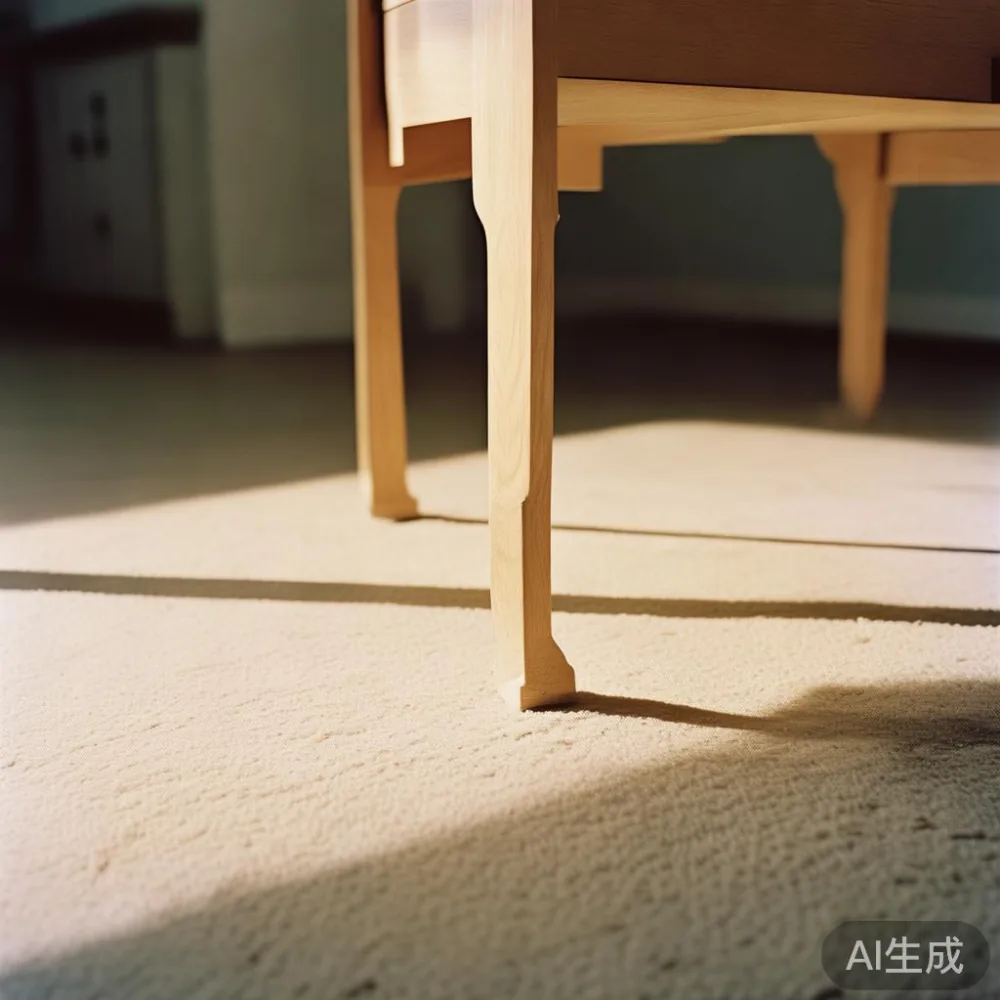
At MIDHILL, lacquered surfaces can appear across a solid wood sofa, bed frame, dining table, wardrobe, nightstand, or marble table. The practical goal is not to create a laboratory atmosphere around the furniture. It is to control moisture, heat, sunlight, friction, and spills before they become visible problems.
Before reaching for a product, check the care instructions for the specific finish. Lacquer formulations differ, and a cleaner intended for one coated surface may leave a haze or residue on another. If a care label is missing, photograph the underside or contact the maker before using solvents or oils.
What does tropical humidity do to lacquered furniture?
Singapore’s annual relative humidity commonly ranges around 65% to 85%, with monsoon periods and enclosed air-conditioned rooms creating noticeable changes. Lacquer is less porous than unfinished wood, which is helpful, but the wood beneath it can still respond to moisture. A frame may absorb a small amount of moisture in humid conditions and release it when the room becomes dry.
Seasonal movement can be visible around doors, drawer runners, veneered panels, and joints. Small gaps of 1 to 3 mm are not automatically a defect. More serious warning signs include a persistent split, lifting edge, blistering, or a drawer that no longer closes. Do not force a swollen drawer: raise it gently, reduce indoor humidity, and have the movement inspected.
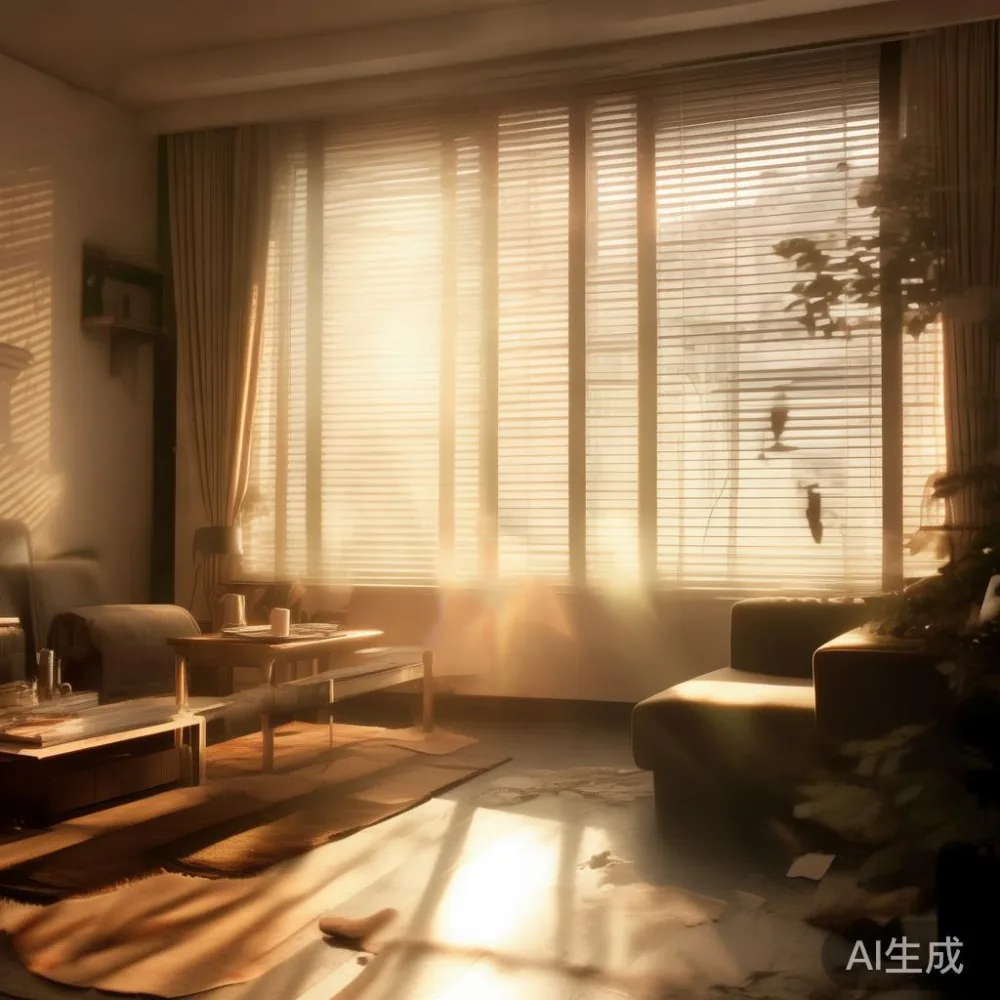
Keep lacquered furniture at least 30 cm away from an open balcony door, 60 cm from a window with direct sun, and 45 cm from a heat source such as a recessed heater or television console. These distances matter more in Tampines or Bedok units where a narrow living room may place the dining table close to both a window and the kitchen entrance.
Use a digital hygrometer rather than relying on a feeling. For most lacquered wood furniture, aim for roughly 40% to 60% relative humidity and keep changes gradual. During a wet week, run the air conditioner or a dehumidifier for 2 to 3 hours each day and aim for an indoor reading near 55%. Sudden swings from 75% to 40% can stress solid wood more than a stable reading of 58%.
How should I clean a lacquered surface safely?
Begin with a soft, lint-free microfibre cloth. For routine cleaning, lightly dampen it with clean water and wring it until damp rather than wet. Wipe in the direction of the grain, then use a second dry cloth to remove moisture. Clean a 30 cm by 30 cm test area first and allow 24 hours for full drying.
Use a pH-neutral wood-care cleaner only when water alone leaves fingerprints or a light film. Apply about 5 ml to the cloth, not directly to the furniture. A cleaner containing silicone or heavy oil may improve the shine briefly, but repeated use can make future refinishing more difficult. Avoid aerosol furniture sprays, cooking oil, furniture wax, and household glass cleaner.
Spills should be addressed immediately. Blot rather than scrub. For a 20 ml spill of water or juice, remove the liquid within 2 minutes, then dry the area with a clean cloth. For a grease mark, use a few drops of mild dish detergent on a damp cloth, wipe once, and dry. Test first on a concealed edge because aggressive wiping can create a shiny “buff” patch that differs from the surrounding lacquer.
Do not use abrasive pads, scouring powder, magic erasers, or knives on the finish. Even a seemingly minor scratch can expose a lower layer. If a mark is deeper than 0.2 mm, it may need filling and refinishing rather than ordinary cleaning.
Can I place a solid wood sofa beside my air conditioner?
Yes, but do not aim cold, dry air directly at the frame. An air conditioner rated at 9,000 BTU may lower nearby surface temperatures quickly, while another part of the room remains humid. That contrast can encourage wood movement and make leather or fabric cushions crack at their edges.
For a solid wood sofa in a compact HDB living room, leave a ventilation gap of at least 30 cm from the nearest wall where possible. Avoid placing it directly against a cold bedroom wall. A pair of medium-sized planters can improve airflow, but use waterproof saucers and keep the soil at least 20 cm from the wood.
Furniture selection matters in the tight circulation typical of Singapore homes. A 180 cm sofa suits a room with at least 300 cm of clear length, while a 200 cm model needs closer to 340 cm. Leave 75 to 90 cm for a main walkway, and check the lift and corridor measurements before delivery. A standard HDB lift opening is often around 90 cm, although the internal dimensions and permitted moving hours vary by block.
Japanese for small living room is a useful design filter: low profiles, light colours, and carefully measured storage can make a 90 to 120 sqm flat feel calmer. If you are comparing options, how to choose Japandi sofa should begin with usable seat depth, not just visual style. A 55 to 58 cm seat depth suits shorter users better than a 65 cm seat in a compact room.
For a nearby solid wood coffee table, protect the lacquer from cup rings and hot objects. Use coasters with a diameter of at least 8 cm and a felt or cork underside. Place a trivet beneath a 220-degree electric kettle, and do not rest a 75-degree cup directly on the surface for more than 10 minutes.
How do sun and heat affect lacquer colour?
Ultraviolet light can fade pigment even when the lacquer itself remains physically intact. A dark dining table near a west-facing window may lighten noticeably over 12 to 18 months. Heat also accelerates the softening of some clear coats, while repeated hot-and-cool cycles can cause a cloudy or uneven appearance.
Install a window film that blocks at least 99% of ultraviolet light, or use curtains with a stated UV filtration of 80% or more. Keep a dining table 60 cm from a sun-exposed window and a bed frame 45 cm from sheer curtains that may warm the headboard. Do not place furniture against a west-facing glass wall unless shading is fitted.
Lighting temperatures also influence the impression of colour. A 2,700K lamp creates a warm appearance, while a 4,000K lamp can make a pale lacquer look cooler. If a finish appears to have changed, view it under the same 4,000K light for 10 minutes before deciding that it has faded.
French light luxury often relies on soft upholstery, fine proportions, and restrained finishes; American light luxury frequently uses larger silhouettes and more visible comfort; post-modern light luxury can combine clean lines with selective curves. Whichever vocabulary fits your home, care remains practical. For a marble table, the stone may tolerate heat differently from its lacquered timber base, so use the base-specific instructions rather than assuming the entire table has one finish.
How should I prevent scratches and missing parts?
Prevention starts with movement and storage habits. Lift a solid wood sofa rather than dragging it across 1.5 cm floor protectors, and use 2 felt pads under every leg. When moving a wardrobe, empty the drawers, remove adjustable shelves, measure the doorway and lift, and protect each panel with a 5 mm blanket. A missing handle, drawer runner, caster, or shelf can interrupt daily use and may indicate that a component has loosened during transport.
At MIDHILL, replacement components can be sorted by measuring the part and checking the furniture’s production information. Missing parts should not be filled with improvised wood, glue, or hardware of the wrong length. Photograph the fitting, record its measurements, and retain the original packaging where possible.
For installation, tighten fittings by hand first, then use the specified tool with modest pressure. Over-tightening can crush the particle board around a cam lock. If a cam lock has no counterpart inside the panel, the part is missing rather than merely hidden. Keep a small hardware register with the item number, fitting type, and installation date.
When searching for sale Japandi furniture, compare construction details and after-sales support rather than matching a mood board alone. A solid wood dining table should have stable joints, a clear expansion allowance where required, and hardware that can be replaced. The top 10 European light luxury furniture lists can offer style references, but local measurements, tropical care requirements, and service access should carry greater weight.
What should I do if the lacquer is scratched, swollen, or peeling?
Start by identifying whether the issue is superficial. A fingernail test can provide a rough guide: if the mark does not catch and can be wiped away, clean it again; if it feels distinctly recessed, the lacquer or wood has been damaged. Measure the affected area with a ruler and photograph it under daylight and a 4,000K lamp.
For a fine surface scratch, a colour-matched touch-up pen may work on a small mark under 3 cm. Test it on an underside edge for 48 hours because solvent-based products can alter gloss. Deep scratches, bubbles, lifting edges, and broad dull patches need professional assessment. Do not apply petroleum jelly, nail polish, candle wax, or shoe polish; these may temporarily disguise a mark but trap moisture or interfere with refinishing.
If a lacquered section has swollen, keep the area dry, improve ventilation, and avoid adding moisture. Peeling lacquer should not be pulled off by hand. Contact the manufacturer or a qualified refinisher with photographs of the front, back, edges, and damaged section.
MIDHILL offers a 10-year structural warranty and lifetime refinishing for eligible products, with the exact scope confirmed against the order. That support is especially useful when a dining table needs attention after 5 years of daily use or a bed frame develops a fitting issue after 8 years of seasonal humidity changes.
How often should a lacquered surface be maintained?
Create a simple calendar based on use rather than cleaning by instinct. Dust weekly with a dry microfibre cloth. Clean high-use surfaces every 2 to 4 weeks, and promptly wipe spills. Inspect moving joints and fixings every 6 months. Check the area near windows every 3 months for fading or raised edges, especially between January and March or during the more humid months from October to December.
For households with pets, inspect surfaces weekly. Place feeding mats at least 40 cm away from the furniture, and keep nails trimmed. A cat’s claw caught in a 0.3 mm opening can enlarge quickly, while a dog bowl left overnight may leave a ring after only 12 hours.
Bed frames need attention at the headboard, footboard, and floor connection. Check that feet remain level, tighten bolts after the first 30 days, and use a 30 cm gap where possible. A nightstand should have enough top space for a lamp, glass, and charger without crowding the edge. For an open wardrobe, inspect the 3 to 5 mm gap between doors and make sure hinges are not pressing against swollen timber.
Style questions can still be considered alongside ownership. If you are wondering, is Mid-century modern bed worth it, assess the frame construction, mattress clearance, room dimensions, and long-term service before the visual style. For local delivery, allow around 7 to 21 business days depending on stock and customization, and confirm the final freight charge in SGD. GST and applicable service charges should appear in the checkout summary.
Can lacquered furniture be delivered safely into a Singapore flat?
Yes, with accurate measurements and a planned route. For a condo, confirm the loading bay, lift dimensions, turning radius, and any reserved moving windows. For an HDB flat, check the stairwell, corridor width, and whether the lift can carry the packaged item on the selected day. Record the route in a sketch and measure the narrowest point rather than estimating from a floor plan.
Protect the shipment with corner guards, foam, and a rigid outer layer. Do not remove a lacquered panel merely to reduce its apparent size. If packaging is damaged on arrival, photograph the box before opening it and check the furniture against the delivery note. That record is useful when a panel, handle, hinge, or other component is among the missing parts.
MIDHILL provides free shipping on qualifying orders over US$350, although any local GST, accessorial delivery, or lift-service charge should be confirmed in SGD before the appointment. A 14-day return window can offer time to inspect the finish and components, subject to the stated return conditions. Photograph the furniture in the room, not only in the carton.
Good care is largely ordinary discipline: dry cloths, measured humidity, shade, coasters, and careful movement. Over 12 months, those routines can make the difference between a finish that ages evenly and one that dulls, scratches, or separates from its timber substrate.