Lacquered Wood Furniture Care for Singapore Homes: Heat, Humidity, Missing Parts and Long-Term Protection
Singapore’s warmth and humidity can be demanding on lacquered furniture. In an HDB flat at Tampines, a lacquered dining table may face 28–32°C indoor temperatures, brief downpours near an open balcony, and air-conditioning cycles that repeatedly expand and contract the timber. A solid wood sofa, bed frame, wardrobe, nightstand, or marble table can remain attractive for years when its finish is handled correctly, but even 10 minutes of standing water may leave a dull mark.
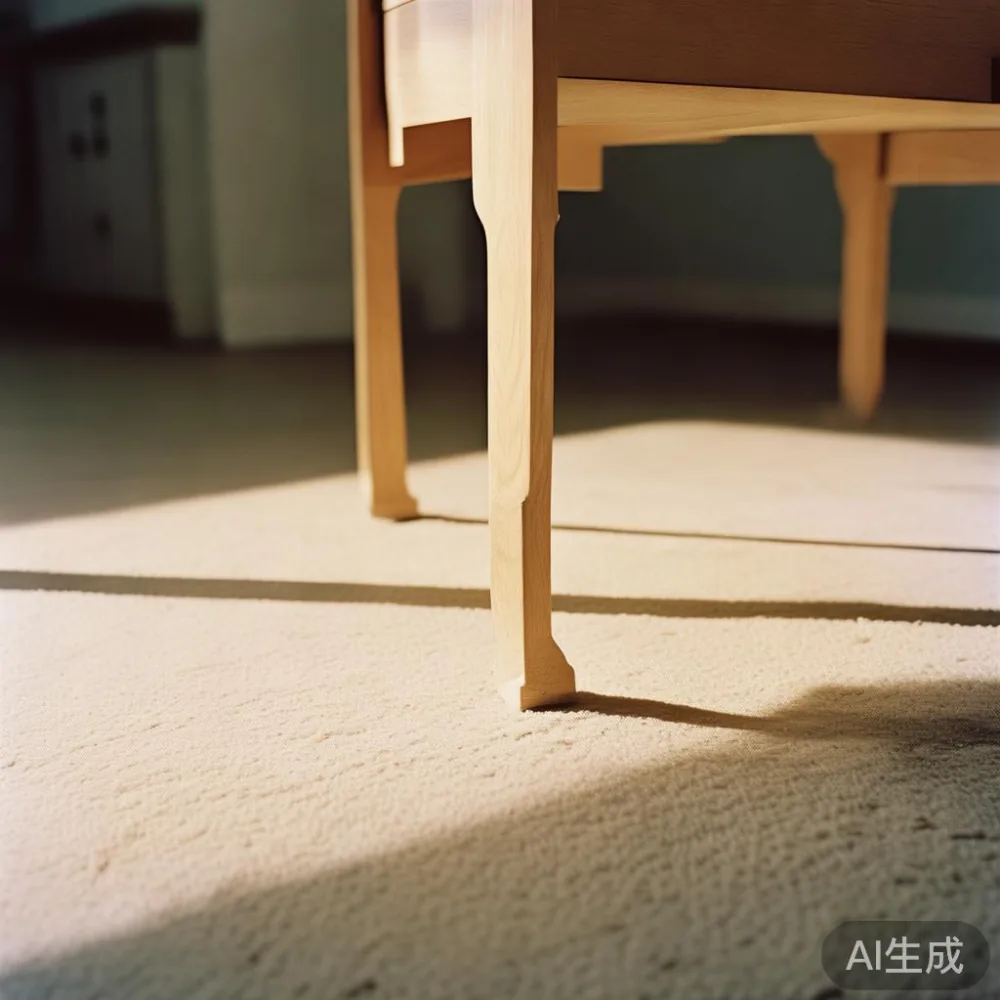
This guide explains how to protect lacquered surfaces without stripping them unnecessarily, how to identify missing parts during delivery, and what to do when a component arrives damaged or is absent. MIDHILL applies its 10-year structural warranty and lifetime refinishing service to eligible furniture, while missing parts are handled as a documented service matter rather than an invitation to guess at repairs.
For residents of Bedok, Punggol, Tampines, and newer condominiums, lift dimensions and shared corridors deserve attention before delivery. A full-height wardrobe may be 180–220 cm tall, and a dining table top can weigh 35–70 kg in solid wood. The finish, however, needs care before, during, and after the furniture reaches its final room.

What Does a Good Lacquered Surface Need in a Tropical Climate?
Good lacquer care begins with controlling exposure rather than applying a stronger product every week. Tropical conditions encourage moisture, heat, dust, and frequent touch to combine into a more demanding environment than a dry European interior. Singapore’s relative humidity can rise above 80% during wet periods, while direct afternoon sun can push a dark lacquer surface above 45°C.
Use a stable indoor range of roughly 18–29°C and aim for 40–65% relative humidity where the building’s air-conditioning allows it. Keep lacquered furniture at least 30 cm from windows with direct sun, 60 cm from an open balcony doorway, and 20 cm from a wall if air can circulate behind it. Avoid placing a wardrobe beside a bathroom or kitchen door where warm, damp air is common.

For a solid wood sofa or bed frame, check lacquered edges every 3 months. Inspect a dining table or marble table monthly, especially where coasters, hot serving dishes, and children’s cups are used. A nightstand can be checked every 2 months because bedside drinks, laptop warmth, and humid night air create regular points of contact.
Choose a soft microfibre cloth, a pH-neutral wood cleaner, and a clean, lint-free pad. Use two cloths: one to place the cleaner and another to remove residue. Test the product on a 10 cm × 10 cm hidden area and wait 24 hours. Do not mix bleach, ammonia, vinegar, lemon juice, or abrasive cream, even if they appear mild; these can haze lacquer or dissolve its top coat.
How do I clean lacquered wood furniture without damaging the finish?
Start by removing loose dust with a dry microfibre cloth. Then dampen—not soak—a second cloth with diluted pH-neutral cleaner, following the product label. Wipe in the direction of the grain, using light pressure of no more than about 2 kg. Dry immediately with a separate cloth.
For routine cleaning, use no more than 10–15 ml of cleaner per 1 litre of water. If the cloth leaves a visible wet trail, use less liquid. Never spray cleaner directly onto a solid wood sofa, bed frame, dining table, wardrobe, nightstand, or lacquered marble table. Overspray can enter joints, collect beneath a top, or form a tide line around a lacquered edge.
Spills should be addressed within 5 minutes. Blot rather than rub. For water, use a dry cloth and then a lightly damp cloth. For oily food, lift the residue with a clean cloth, then apply a small amount of diluted cleaner. For paint or adhesive, do not scrape aggressively; soften it with a product marked safe for lacquer and seek professional advice if the mark reaches the grain.
A lacquered surface should feel smooth, not tacky or mirror-wet. If it feels sticky after 24 hours, stop applying products and arrange an assessment. Silicone-based “polishes” can contaminate lacquer and make later refinishing harder, so they are not suitable routine care products.
Can sunlight and heat cause lacquer to fade or blister?
Yes. Ultraviolet exposure can fade colour unevenly, while repeated heat cycles can make lacquer check, crack, or separate from wood. In Singapore, direct sunlight through east-facing windows is strongest before 11 a.m.; west-facing rooms can receive damaging late-afternoon light. A dining table near a west-facing window may require a curtain that blocks at least 60% of direct rays.
Do not place a hot pot directly on lacquer. Use a trivet with at least 3 cm clearance beneath the hot vessel and keep the base at least 20 cm from the tabletop edge. A mug should have a coaster at least 1 cm wider than its base. For hot hair tools near a bed frame or nightstand, maintain 15 cm clearance and switch them off before leaving the room.
Air-conditioning helps control humidity, but aim vents away from furniture because concentrated airflow can dry lacquered edges unevenly. A hygrometer placed 1 m above floor level is more useful than a wall-mounted unit far from the actual furniture position. Check the reading after 30 minutes and record it once a week during wetter periods.
How should I move lacquered furniture through a lift and corridor?
Measure before delivery day. Check the lift door, lift cabin, turning space at each landing, corridor width, and the final doorway. Leave at least 5 cm of clearance on the narrowest side. For a 210 cm wardrobe, the carton must be tilted carefully without twisting the top; if the lift is too shallow, professional assembly or balcony delivery may be needed.
Protect the surface with a clean moving blanket at least 2 cm thick. Secure it with stretch wrap, but never place tape directly on lacquer. Use corner guards around a marble table and carry its top separately when the design allows. Lift a solid wood sofa by its structural base rather than pulling the upholstered back. For a bed frame, remove detachable rails and secure loose components so they cannot strike the finish during transit.
Before the team leaves, inspect all visible lacquered faces under neutral light. Check the top, edges, underside, doors, handles, and corners. Photograph any damage from 2 angles and note it on the delivery record within 24 hours. This is also the best moment to identify missing parts, including screws, cams, hinges, shelf pins, felt pads, keys, and drawer runners.
“Missing parts” should not be treated as proof that a whole component must be replaced. A loose wardrobe hinge may be one absent screw among 8; a dining table may be missing 1 of 6 felt pads; a bed frame may lack 2 of 12 dowels. Record the exact item, position, quantity, and photograph. Request the correct replacement and obtain instructions for installation.
What should I do if parts are missing after delivery?
Contact MIDHILL with the order number, delivery date, product name, and clear photographs. List the missing parts in plain language: “2 × M6 bolts, left side of bed frame,” rather than “fixing parts.” Include a photo of the whole item and a close-up of the empty fixing point. This makes diagnosis faster and reduces the need for repeated visits.
Keep the furniture in normal use while safe, but do not force a door, tighten a cam into an incorrect hole, or improvise a load-bearing screw. A bed frame with missing connectors can loosen under movement, and a wardrobe with incomplete hanging-rail supports can twist its side panels. Children and pets should stay away until the parts are fitted.
Ask whether the replacement can be shipped locally. Small hardware may arrive within 3–5 working days, while a custom lacquered panel or rail may take 14–30 days. Delivery cost is confirmed before dispatch. For urgent access issues, ask whether a technician can attend within 1–2 days and whether the visit fee applies.
Missing parts and finish damage are different categories. A chipped lacquer edge requires finish advice; an absent cam requires parts advice. Combining them in one report with photographs helps the service team route each issue correctly and avoids unnecessary refinishing.
How often should lacquer be maintained, and when does it need refinishing?
Use a gentle dust cloth every 2–4 weeks. Clean high-contact areas every 1–2 months, and wipe spills immediately. Inspect a dining table monthly and a wardrobe or bed frame every 3 months. Twice a year, check under drawers, behind doors, beneath sofa cushions, and around rubber feet for trapped moisture or white haze.
Minor surface marks do not always call for full refinishing. If a fingernail does not catch the mark and the wood is not exposed, a specialist may recommend spot treatment. If the lacquer is deeply scratched, has lifted at an edge, or has cracked across a joint, local sanding and recoating may be required.
Do not sand lacquer yourself unless the surface has already been fully refinished and you have experience matching sheen. A 220-grit sanding step can cut through thin lacquer into timber, while 400 grit alone may not blend a damaged area. Always test on a hidden section and protect the work area with a 3 m × 3 m dust sheet.
MIDHILL’s lifetime refinishing service covers eligible products and is subject to its service terms. Clarify whether the service covers lacquer renewal, structural work, transport, or parts, and obtain a written estimate before any chargeable work. The company’s 10-year structural warranty addresses eligible structural concerns rather than accidental liquid damage.
Can I combine lacquered furniture with light-luxury interiors?
Yes. Light luxury works best when one material leads and others support it. A French light luxury room can use a pale solid wood bed frame, softened linen, muted cream walls, and restrained brass details. When considering how to style French provincial sofa in bedroom, place the sofa away from direct window light and use a slim side table rather than crowding it against a humid wall.
For a post-modern light luxury dining setting, pair a simple lacquered dining table with 2 sculptural chairs, 1 ceramic vessel, and 1 framed artwork. Keep the tabletop mostly clear so the finish remains inspectable. A marble table can provide a cool contrast, but its base should not stand in a splash zone.
A light luxury accent chair can create a deliberate focal point beside a lacquered wardrobe or bed frame. Maintain 8–12 cm between chair arms and other furniture for circulation. If you are searching for luxury Mid-century modern furniture, use tapered legs, rounded silhouettes, and one warm timber tone rather than mixing too many competing finishes.
For a bedroom wardrobe, anyone asking how to style American wardrobe in room should first consider door clearance and sunlight. A dark American-style wardrobe suits a pale wall, while a pale lacquered wardrobe can make a compact HDB bedroom feel lighter. Leave at least 60 cm in front of the open door where possible. When comparing light luxury bed vs Italian light luxury bed, focus on dimensions, door swing, ventilation, and the finish care required in the actual room rather than style labels alone.
The right proportions matter in a 35–45 m² HDB flat. Keep the bed frame at least 10 cm from side walls if circulation is tight, and allow 60 cm around a dining table for chairs to be pulled back. In a condominium corridor, avoid oversized packages that exceed the lift door width of approximately 90–110 cm without advance planning.
How do Singapore’s 14-day returns and warranty protections fit into finish care?
MIDHILL offers a 14-day return window subject to its published conditions. Before accepting a lacquered item, check it in good light and inspect for finish defects, missing parts, correct assembly, and visible scratches. Do not remove protective film until the surface has been checked because film can tear lacquer if it has already softened in heat.
For eligible returns, furniture should be protected from marks and moisture, with all supplied parts returned. If a “missing parts” issue is discovered after the return window, it should still be documented promptly; service eligibility depends on the order and evidence rather than a blanket promise.
Shipping above US$350 is free under MIDHILL’s stated delivery policy, while local GST and any additional service or return charges should be confirmed in writing. For Singapore orders, obtain an SGD estimate before delivery, including lift service, upper-floor handling, assembly, and any replacement component. A clear quotation prevents an unexpected charge when a narrow corridor or missing fitting adds work.
For large items, allow 7–14 delivery days unless a confirmed date is stated. A smaller replacement part may arrive sooner, but custom components can take longer. Someone familiar with the furniture should be present, measure the route, and inspect the package before signing.
What is the practical care routine for a Singapore home?
Keep 3 tools within reach: a dry microfibre cloth, a diluted pH-neutral cleaner, and a soft brush for narrow edges. Wipe surfaces every 2–4 weeks, deep-clean high-contact areas every 1–2 months, and inspect edges every 3 months. Move coasters and trays so moisture cannot sit for more than 5 minutes.
Create a simple seasonal check at the start and end of each 3-month quarter. Confirm that the hygrometer near the furniture reads below approximately 65% when possible, inspect balcony-facing doors for gaps, and check that air-conditioning vents do not blow directly across a lacquered surface. Photograph any change for comparison.
Last month I visited a client’s three-room Bedok flat after a summer downpour. A lacquered dining table beside the balcony had developed 2 pale rings, and the lower wardrobe edge had collected moisture. I set the table 35 cm farther from the opening, wiped the marks with a lightly damp cloth, and dried the edge with a separate cloth. After 7 days, the haze had reduced and the table remained stable; the routine was then changed to include coasters and a monthly inspection. The experience reinforced that small environmental adjustments usually matter more than repeated application of polish.
For a MIDHILL sofa, solid wood bed frame, dining table, wardrobe, nightstand, or marble table, use the same disciplined habits: control heat, manage moisture, clean gently, record damage, and replace missing parts with the correct component. When a defect remains, provide clear photographs and a concise description instead of repeatedly applying household chemicals. That approach protects the lacquer, supports the furniture’s longevity, and keeps the atmosphere light, calm, and appropriately light luxury.