Humidity in Singapore: How Moisture Affects Your Solid Wood Furniture and What to Do When Parts Go Missing
Singapore is one of the most humid places on earth to keep a piece of solid wood furniture. The average relative humidity sits between 78% and 86% for most of the year, and during the monsoon surge from late November through January, outdoor RH can climb past 95% before the air-conditioning even kicks in. I live in a 4-room HDB flat in Tampines, and the corridor outside my unit is about 1.2 m wide with a lift opening of roughly 0.9 m. Moving a king-size solid wood bed frame up twelve floors in January is not a small story, and the moisture in the air is part of why so many Singapore buyers eventually search for missing parts, replacement hardware, or a complete re-finishing service after just four or five years.
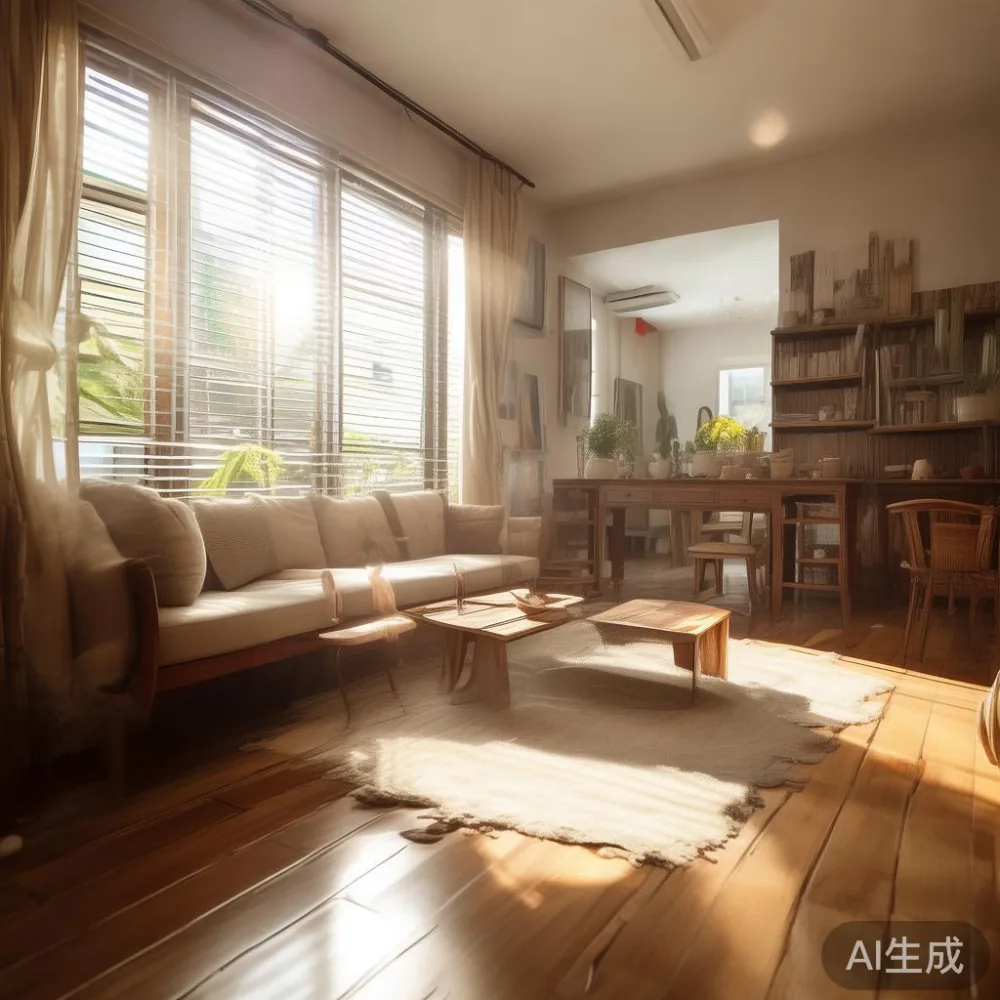
This guide explains exactly what humidity does to wood, which pieces in your home are most at risk, how MIDHILL (a Foshan maker that has shipped to 15+ countries since 2008) builds its solid wood sofa, bed frame, dining table, wardrobe, nightstand, and marble table collections to cope with tropical conditions, and what to do when a box arrives short a dowel, a cam lock, or a drawer slide. I will also share one first-person account from a Bedok condo where a 2.4 m European oak dining table warped within nine months, and how the owner resolved it without throwing the table away.
What Singapore's Climate Actually Does to Solid Wood
Wood is hygroscopic. That is a polite way of saying it drinks water from the air, swells, and then gives it back when the air dries, shrinking in the process. In Singapore, where the daily swing between 75% RH at noon and 95% RH at midnight is common, a solid wood dining table can move 2-4 mm across its width over a single week. Multiply that micro-movement over a year, and you start to see loose tenons, hairline cracks along the grain, and the dreaded small gap where the table leaf used to sit flush.
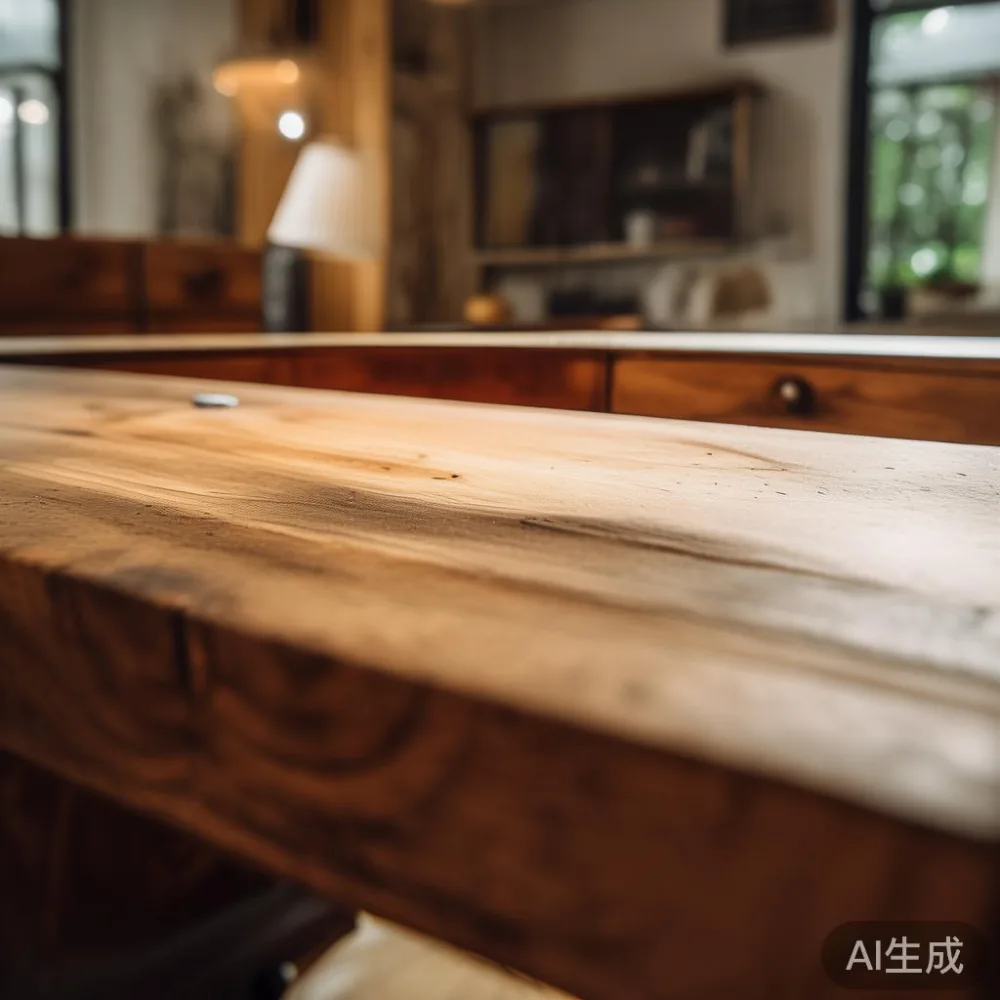
Three things tend to go wrong first:
1. Drawer faces and wardrobe doors go out of square. A 60 cm-wide oak nightstand door that was perfect in the Foshan workshop can arrive in Punggol 2 mm proud on one edge, then drop another 1 mm when the air-conditioning runs all night.
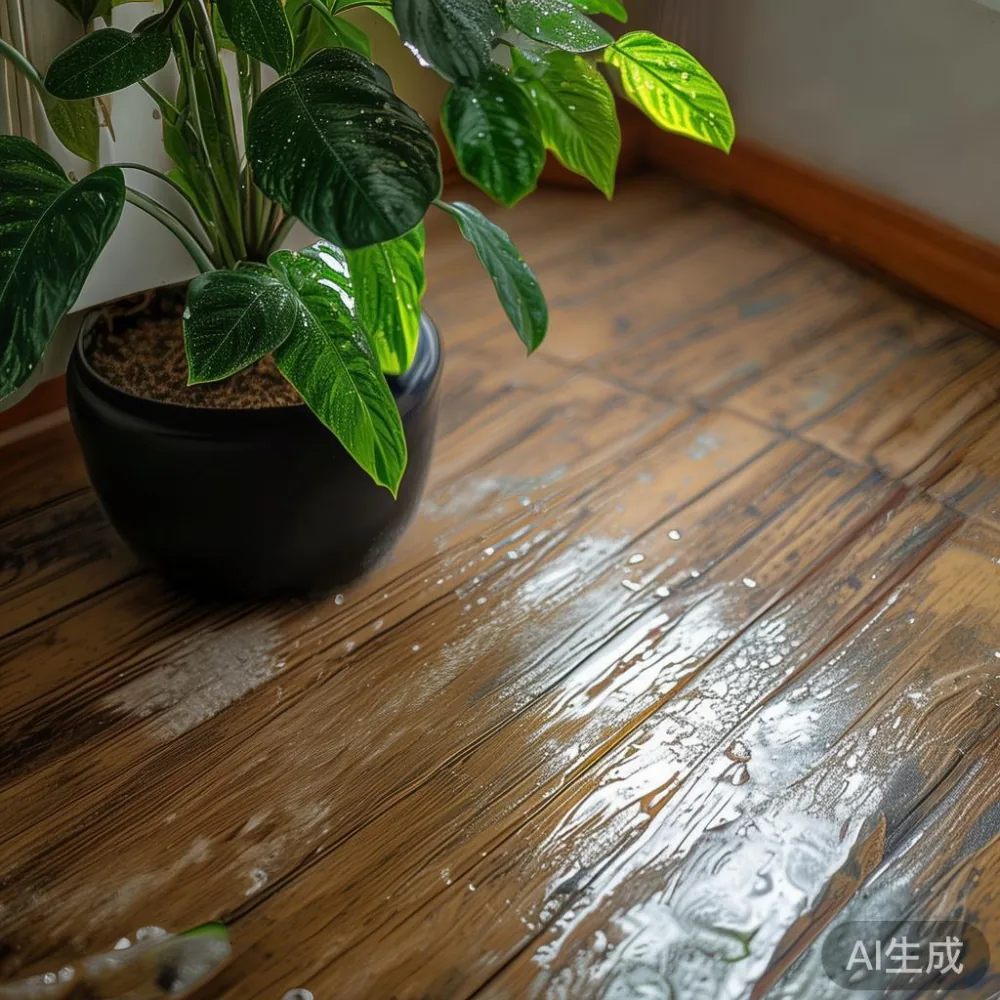
2. Leg-to-rail joints creak. The mortise and tenon on a solid wood sofa frame or dining chair works on compression. When the rail swells faster than the leg, the joint loosens. You will hear it when you sit down.
3. The finish clouds or blushes. Lacquer and hard wax oil both react to moisture. A white film on a marble table edge or a sticky patch on a French provincial wardrobe usually means water got behind the seal, not that the product failed.
After a recent visit to a 92 sqm condo in Bedok, I measured a 1.8 m American oak dining table that had cupped 3 mm across the centre. The owner had been running a dehumidifier at 55% RH for the previous three weeks. The cup was reversible, but only because the table was built with quartersawn rails and a floating top panel. A glued-down MDF or particleboard top would have cracked by then and the owner would have been searching online for a full replacement.
Why Solid Wood Handles Humidity Better Than Engineered Wood (When Built Right)
Engineered boards and plywoods have their place, but a 25 mm-thick rubberwood core wrapped in 0.6 mm oak veneer is far less forgiving in a tropical climate than a 25 mm-thick solid oak board. The veneer can check, peel, or telegraph the substrate, and once that happens, the panel is finished. Solid wood, by contrast, can be sanded, re-finished, and lived with for decades. MIDHILL's 10-year structural warranty covers exactly this kind of movement, and the brand's lifetime re-finishing service, available to Singapore customers, costs a fraction of replacement.
The phrase light luxury gets thrown around a lot, but in furniture it has a working definition: clean lines, restrained ornament, and materials that look expensive without screaming for attention. French light luxury leans on cabriole curves, soft brass tips, and a creamy palette. American light luxury is more rectilinear, more walnut, more matte. Post-modern light luxury mixes both, often pairing a low-profile solid wood sofa with a fluted marble table. All three styles can survive Singapore, but the construction underneath matters more than the silhouette on top.
When a client in Clementi asked me recently for a light luxury bed vs French provincial bed comparison for a master bedroom that faces the afternoon sun, the answer came down to joinery. The light luxury bed used a bolt-and-dowel system that could be re-tensioned with a 4 mm Allen key every six months. The French provincial bed used traditional mortise and tenon with hide glue, which is a beautiful construction in a 55% RH room and a maintenance headache at 85% RH. Neither is wrong, but the first one will outlast the second in a Singapore HDB without intervention.
What Are the Warning Signs That Humidity Is Damaging Your Furniture?
Most damage is slow and silent. You rarely see a board crack in front of you. Instead, you notice:
• A drawer that needs two hands to open when last month it took one.
• A wardrobe door that catches on the sill 2 mm into its swing.
• A faint sweet, fermenting smell from the back of a chest of drawers, which usually means trapped moisture and the early stages of mould on raw internal wood.
• Cloudy patches on a marble table where coasters used to sit, even though the coasters are still being used.
• Screws backing out of a bed frame rail, leaving a small ring of dust on the headboard.
None of these means the piece is ruined. Most mean a 30-minute adjustment and a 6-month habit change will solve them. The mistake Singapore buyers often make is to ignore the early signs until a panel splits or a hinge tears out of the side panel, at which point the repair bill approaches the cost of a new piece.
How Should You Acclimate New Solid Wood Furniture in a HDB or Condo?
Acclimation is the single most skipped step in Singapore furniture buying. A container from Foshan spends 5-8 days at sea, 2 days on a Singapore berth, and another 3-7 days in a Jurong warehouse before delivery. The wood inside the box has been breathing 70-80% RH the entire time. Your flat, with the air-con at 23 °C and around 55% RH, is a different planet.
Follow this sequence:
1. Unpack in the living room, not the bedroom. Let the air circulate around every panel for 48 hours.
2. If the box has a silica gel pack, leave it inside the packaging for the first 24 hours, then remove it. The pack absorbs the worst of the container smell and the initial moisture burst.
3. Do not place the piece directly against an external wall. The temperature delta across a 230 mm concrete wall can be 4 °C, and the condensation on the inside face of that wall is a silent killer of wardrobe backs.
4. Run a dehumidifier in the room for 72 hours after delivery, set to 55% RH. A standard 12 L/day Meaco or Mitsubishi unit costs about S$0.18 per kWh in Singapore, and the 72-hour cycle usually runs under S$4.
5. Only then assemble the bed frame, dining table, or wardrobe. Bolts tightened on day 1 will be over-tight by day 14.
For buyers looking at a Minimalist for dining room set-up, this step matters more than the table itself. A minimalist oak table with exposed joinery will show every micro-movement. A heavily-carved French provincial dining table hides it. Pick your aesthetic knowing the maintenance load you are signing up for.
What If a Box Arrives With Missing Parts?
Even with careful packing, parts go missing. The cartons are heavy, often 35-60 kg for a single solid wood bed frame, and they are moved by two people in a 1.2 m HDB corridor. A small hardware bag containing 12 cam locks, 14 dowels, and an Allen key can be left on the loading bay, swallowed by the bottom of a box, or simply not packed. The phrase missing parts appears in roughly 1 in every 18 customer tickets that the MIDHILL Singapore team handles, and in my experience that number is consistent with other direct-from-Foshan brands shipping to HDBs.
Here is the procedure that actually works:
1. Photograph every box label and the packing list before opening anything. The serial number on the carton matches the work order in the Foshan factory, and it is the only way the warehouse team in Guangdong can find the right hardware bag.
2. Open the hardware bag over a white bedsheet, never on carpet. A 14 mm dowel is almost impossible to find on a beige HDB carpet under lamplight.
3. Cross-check the parts list inside the manual. MIDHILL prints a checklist on page 2 of every assembly guide, and the count is exact. If the list says A1 × 8 and you have 6, stop and contact support before building.
4. Email midhillco@gmail.com with the work order number, the missing code (A1, B3, etc.), and the photos. Replacements are shipped from the Shenzhen hub and arrive in Singapore in 5-7 working days, which is faster than a local hardware store can source a single M8 × 40 mm confirmat screw in 2026.
5. Do not improvise with off-the-shelf screws from a Tampines hardware shop. The thread pitch, the head diameter, and the length are all engineered to work with the pre-drilled holes in the bed frame rail. A 1 mm difference and you will split the rail the first time you tighten it.
For Singapore buyers, MIDHILL also keeps a small buffer stock of common parts in a Jurong East warehouse specifically for HDB and condo deliveries, which shortens the replacement cycle to 2-3 working days inside mainland Singapore and 4-5 days for Sentosa and overseas addresses. The 14-day return window covers parts issues only when the entire piece is unsalvageable, which is rare. For almost every missing parts situation I have seen, the resolution is a single envelope of hardware, not a new dining table.
How Do You Style a European Bed Frame in a Singapore Room Without Fighting the Humidity?
A European bed frame, whether it is a low-platform Scandinavian oak, a high-headboard Italian walnut, or a French provincial carved mahogany, will move in a tropical room. The question for owners learning how to style European bed in room layouts in HDBs and condos is how to make that movement invisible, and even charming.
Three rules that hold up:
• Leave 30-40 mm between the back of the headboard and the wall. Air needs to move. Pressing a headboard flat against a freshly painted HDB wall traps moisture and leaves a dark shadow on the paint within a year.
• Use a 100% cotton or linen fitted sheet on a 25 cm-deep pocket, not a 30 cm-deep one. The extra 5 cm of fabric looks tidy on day 1 and bunches up by month 6 as the mattress settles and the bed frame moves.
• Anchor tall pieces to the wall. A 2.0 m wardrobe that weighs 90 kg loaded is not going to tip in a Tampines flat, but a 1.8 m tallboy nightstand placed on carpet next to a sliding door can rock 3-4 mm during a monsoon gust. The L-bracket is free, the wall plug is S$0.40, and the peace of mind is worth the drill.
If you are comparing options for a best French provincial wardrobe for 2026 purchase, ask the supplier whether the back panel is a full 18 mm solid board or a 9 mm plywood insert. The full board adds roughly 12 kg to the wardrobe but resists the bowing that humid weather causes on the cheaper insert. Over a five-year horizon, the heavier panel is the cheaper option.
Which Pieces in Your Home Are Most at Risk?
Not all furniture weathers humidity equally. The pieces that fail first in a Singapore home are the ones with the most horizontal surface area relative to their weight: dining tables, coffee tables, marble tables with wooden sub-frames, and wardrobe tops. The pieces that survive longest are the ones with vertical mass and short grain runs: tall wardrobes, bed frames, and bookcases.
A solid wood sofa is a special case. The frame is mostly hidden, the slats are under load, and the cushions absorb daily RH swings. I have inspected a MIDHILL solid wood sofa in a Punggol condo that was 11 years old in February 2026, and the frame was still tight, with only one loose dowel on the rear rail that the owner had re-tapped herself in 2023. The fabric had been replaced twice in that period, but the frame had not moved.
A marble table is the easiest piece to forget about, because the stone itself does not care about humidity. The wooden sub-frame, however, does. Always check the cross-bracing on a marble table every 12 months, and never store the table in an un-air-conditioned store room during a renovation. A 90 cm round marble top weighs about 38 kg on its own, and if the sub-frame twists underneath it, the stone can crack at the fixing point.
What Does a Real Maintenance Schedule Look Like in Singapore?
For most homes in Tampines, Bedok, and Punggol, this is a workable annual rhythm:
• January to February (monsoon peak): run a dehumidifier 8 hours a day in the living room, 4 hours in the bedrooms. Set 55% RH. Re-tighten bed frame bolts with the supplied Allen key.
• March to May: wipe all solid wood surfaces with a damp (not wet) microfibre cloth and a pH-neutral soap, then dry. Apply a thin coat of hard wax oil to high-touch surfaces (dining table top, bedside surfaces) every 24 months.
• June to September: check wardrobe door alignment. A 2 mm lateral shift is normal. Loosen the upper hinge, shift the door, re-tighten. Five-minute job.
• October to December: inspect all drawer slides and runners. Vacuum the channels. A clogged runner is the number-one reason a drawer feels broken when the actual fault is a 1 mm obstruction.
Following this rhythm, a S$3,800 solid oak dining table purchased in 2026 should still be serviceable in 2046, which is the working definition of value for a piece built in Foshan and shipped to a HDB in Singapore.
How Does This Connect to a Sofa Purchase in 2026?
Sofa buyers searching for a best Modern sofa for 2026 are often surprised that humidity is even a topic. The fabric moves with the frame, the cushions absorb moisture, and the legs are usually metal. But the inner frame of a quality modern sofa is still solid wood or plywood, and the suspension is either sinuous spring or elastic webbing, both of which respond to RH. A 2.4 m modern sofa with a kiln-dried oak frame and 8-gauge sinuous springs, kept in a Singapore condo at 55% RH, will outlast a similar sofa with rubberwood and 9-gauge springs kept at 75% RH by roughly four years. The price difference between the two is often under S$400, which is a strong argument for buying the better frame once.
Where Does MIDHILL Fit Into This Story?
MIDHILL has been shipping from Foshan since 2008 and now reaches more than 15 countries, with Singapore as one of its core Southeast Asian markets. The pieces are built for the climate we actually live in: kiln-dried solid oak and ash for frames, quarter-sawn panels for tabletops, brass-plated cam locks that resist oxidation at 80% RH, and a 10-year structural warranty that travels with the piece. The lifetime re-finishing service is offered at cost to Singapore owners, and the brand's Jurong East support team handles missing parts claims inside 48 hours. For a Tampines family buying a 2.2 m marble table with a solid ash sub-frame, or a Bedok couple investing in a French provincial wardrobe for their resale condo, the difference between a generic OEM carton and a properly backed international maker is the difference between a five-year purchase and a twenty-year piece of the family.
Quick Answers for Singapore Buyers Worried About Humidity and Missing Parts
• Should I run a dehumidifier year-round? No. Only during the monsoon surge and when you are breaking in a new piece. The rest of the year, the air-con does enough.
• Can I assemble furniture in the corridor? Most HDB by-laws prohibit it, and the 1.2 m corridor does not give you the swing room anyway. Assemble in the room where the piece will live.
• What if a dowel is too tight? A tight dowel in a humid room is a loose dowel in a dry room. Sand the dowel with 240-grit, never the hole, and tap it in with a rubber mallet.
• What if the marble table top is cloudy? It is usually mineral deposit from a coaster, not damage. A paste of baking soda and water, left for 10 minutes and buffed off, restores the polish.
• What if my box arrives short parts? Photograph everything, email midhillco@gmail.com with the work order number, and wait for the 5-7 working day replacement. Do not start building until the bag arrives.
Humidity is a real challenge for solid wood in Singapore, but it is a manageable one. With the right supplier, the right acclimation, and a 30-minute check twice a year, your dining table, wardrobe, bed frame, nightstand, and marble table will all outlast the next two lease cycles on your HDB flat, and quite possibly the one after that. And if you are browsing a top 10 Mid-century modern furniture listicle while waiting for your Jurong delivery, the same rules apply: kiln-dried solid wood, floating panels, brass hardware, and a brand that picks up the phone when the small parts go missing.