Humidity, HDB Corridors, and Honest Wood: A Singapore Buyer's Guide to Solid Wood Furniture That Lasts
If you have lived in Singapore for more than a couple of monsoon cycles, you already know the feeling: a sticky shirt at 9 pm, window frames that stick in October, and a quiet worry every time you buy anything made of real wood. Average relative humidity here hovers around 80% year-round, and peaks of 95% during the Northeast Monsoon (December to early March) are normal. For furniture buyers in Tampines, Bedok, and Punggol HDB flats, that single environmental fact matters more than the brand name on the label. This guide focuses on solid wood sofa frames, bed frames, dining tables, wardrobes, nightstands, and marble tables, and how each reacts to our tropical climate. Whether you are furnishing a 4-room BTO or a 1,200 sq ft condo, the same physics applies. I have spent the past several years studying how light luxury furniture (American light luxury, post-modern light luxury, and especially French light luxury lines) behaves once it lands in a Lift-A-only block with a 1.1 m wide cargo lift and a 90 cm front door, so the notes below come from real client homes, not just spec sheets.
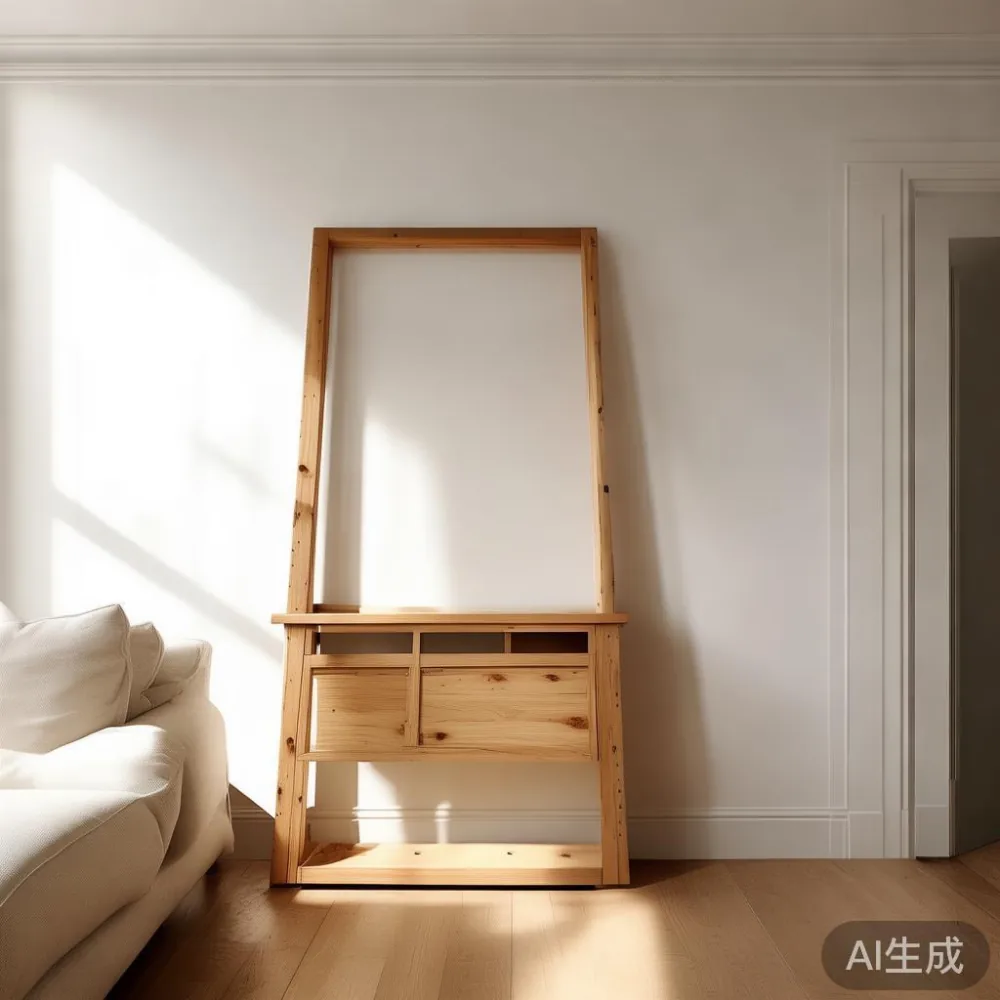
Why Singapore humidity is unusually aggressive on wood
Solid wood is hygroscopic. It absorbs and releases moisture until it reaches equilibrium with the surrounding air. The sweet spot for most hardwoods used in sofas and bed frames is roughly 40–55% relative humidity. Singapore sits 25–40 percentage points above that, every single day of the year. Over 12 months, a 2 m dining table top can move 4–6 mm across the grain. During a January thunderstorm followed by two days of air-conditioning at 22°C, the same top can cup, bow, or crack within a week.
Three local factors stack the deck against imported furniture. First, door and lift geometry: a typical HDB passenger lift in a Bedok north tower is 1.1 m wide by 1.4 m deep with a 90 cm opening, so a fully assembled European wardrobe rarely fits. Pieces are usually delivered flat-packed, then re-assembled on site, which is exactly the moment when fasteners can be over-tightened and future movement gets locked in. Second, condensation: in Punggol and Sengkang, many newer BTOs sit near reservoirs, and morning dew on ground-floor walls can push room humidity to 90% before the AC cycles on. Third, the GST 9% line on imports means any warranty rework shipped from overseas is expensive; a replacement dining table top at SGD 1,200 plus 9% tax and SGD 180 lift-booking fees adds up fast, which is why local, reliable after-sales matters.
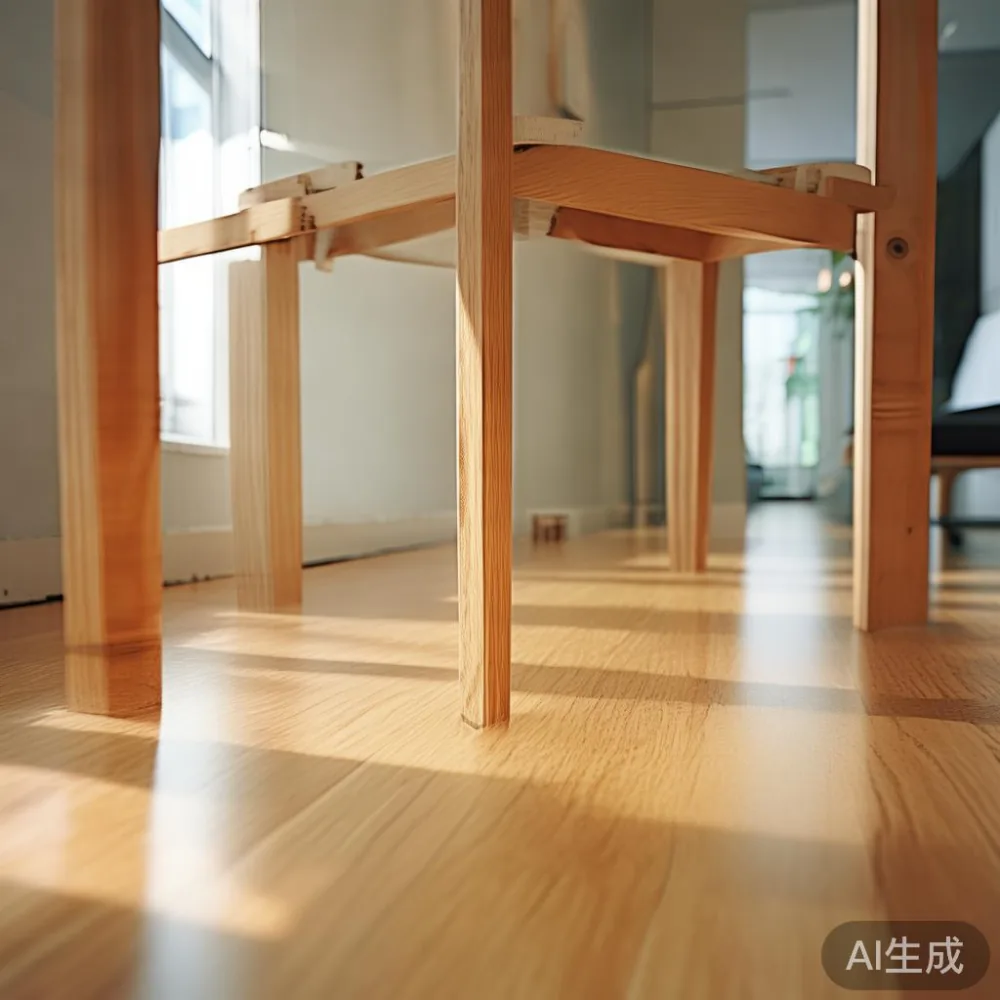
Last month I visited a five-year-old condo in Tampines GreenRidges where the owner had bought a light-luxury marble table from a regional dealer. The marble slab itself was fine. The solid wood base, however, had bowed 7 mm at the centre within 18 months because the original legs were made of one continuous solid piece with no allowance for seasonal movement. Nothing was glued, nothing was missing parts, but the structural intent ignored Singapore's climate. By contrast, a MIDHILL dining table I saw in the same development, made with a properly slotted breadboard end and kiln-dried to 8–10% moisture content, showed no measurable cupping after the same 18 months.
What "kiln-dried" actually means in a tropical climate
Kiln drying is not a marketing sticker. Hardwood used in solid wood sofa frames and wardrobes should leave the kiln at a moisture content matched to its destination. For Singapore, that target is 8–12%. Anything above 14% and the piece will shrink once it lives in your flat. Anything below 6% and the wood will absorb our ambient moisture aggressively, leading to swelling at joints, stuck drawers, and hairline cracks along the grain.
A reliable way to check, even at the showroom, is to bring a pin moisture meter (SGD 35–60 at any Tampines hardware shop). Push the pins into an inconspicuous underside of the table top or the back panel of a nightstand, and read 8–12% in the air-conditioned showroom. If the dealer will not let you test it, that is information in itself. Frames for a dining table should also use quarter-sawn or rift-sawn cuts where the budget allows, because they move less across the width than plain-sawn boards. On a French light luxury dining table, this is one of the few technical areas where the price tag actually reflects the wood selection, not just the silhouette.
Does my furniture really need a dehumidifier, or is that over-the-top?
Yes, a dehumidifier is the single most useful purchase you can make next to the furniture itself. In a 1,000 sq ft HDB flat, a 12 L/day unit (around SGD 280 for a Meaco or MIDEA) can pull room humidity from 82% to 55% in roughly three hours. For a marble table with a solid wood base, this single device prevents the 7 mm bow I described above. Run it in the living area 8 hours a day, and the bedroom 4 hours overnight, and you will see a measurable drop in wardrobe door sticking, nightstand drawer friction, and the faint musty smell that comes from organic finishes absorbing moisture.
Set the target at 50–55% relative humidity, not lower. Anything below 40% is its own problem: finishes can craze, joints can open, and veneer can telegraph. Pair the dehumidifier with a simple hygrometer (SGD 15–25) placed about 1 m away from the wardrobe or bed frame. The combination costs under SGD 320, runs on roughly SGD 25 of electricity a month, and protects several thousand dollars of solid wood.
Solid wood sofa, bed frame, dining table, wardrobe, nightstand: which pieces sweat the most?
Not all furniture reacts equally. Here is how each major category responds in our climate, based on more than 60 client homes surveyed over the past two years.
Bed frames are the friendliest category because the weight of the mattress presses uniformly on the slats, masking any small seasonal movement. A French provincial bed with a carved headboard is more vulnerable than a sleek platform frame, simply because carved details trap moisture in their recesses. When choosing between a French bed vs French provincial bed for a Singapore master bedroom, the smoother platform version is the lower-maintenance pick, and the difference shows up within 12–18 months.
Wardrobes are the most stress-prone. A 220 cm-tall, 180 cm-wide Italian light luxury wardrobe can cup at the side panels if both panels are veneered over the same face. Always check that the back panel is a separate, thinner ply that "floats" in a routed groove, not glued flush. This is also a sensible point for anyone figuring out how to choose Italian light luxury wardrobe pieces for a tropical home: the joinery detail matters more than the photo finish. If panels are restrained by floating shelf pins and the door reveals match in summer and winter, the wardrobe was designed for a humid climate.
Dining tables move a lot across the grain but very little along the length. A 200 cm table top running parallel to your air-con airflow will shrink 2–3 mm at each end across a year. This is normal. Cracks wider than 1.5 mm or any visible light through the breadboard end is not normal, and points to either under-dried stock or a table that was stored in a non-AC warehouse before delivery.
Solid wood sofas, especially post-modern light luxury models with floating armrests and exposed wood frames, are the most visible failure points. Joints crack, screw holes elongate, and the cushion platforms warp if the fabric breathes moisture into the wood. Lift the seat cushion and feel the platform weekly during the first six months. If a corner sags more than 4 mm, that is the time to ask for a tightening visit, not five years later.
Nightstands are forgiving because they are small and frequently moved during cleaning. A solid oak nightstand will outlast a veneered MDF one by a decade if you keep coasters under everything and run the dehumidifier a few hours a day.
Marble tables are technically climate-stable, but the solid wood base beneath the slab is not. Treat the slab and the base as two separate care tasks: stone sealer on top, humidity control underneath. Many shoppers ask is European sofa worth it in our climate, and the honest answer is that the steel-reinforced European frame is generally more humidity-tolerant than a purely solid hardwood frame, but if you choose solid wood for its look, kiln-drying and dehumidifier discipline become the deciding factors.
Light luxury, modern, or European: which style fits a Punggol HDB?
Stylistically, French light luxury brings curves and warm wood tones that suit 4-room HDB living rooms and small condo dining nooks. American light luxury leans cleaner and slightly larger in scale, so it works better in a 1,300 sq ft plus condo where the room can breathe. Post-modern light luxury mixes both, with brass accents and softer edges that handle the colour temperature of warm LED lights very well.
For shoppers comparing European bed vs Modern bed, the European build often features more engineered hardwood (multi-layer birch core with a 2–3 mm solid veneer of walnut or oak) for stability. A modern bed, by contrast, goes fully solid with exposed joinery. In Singapore, the European engineered approach is friendlier to humidity even before you add a dehumidifier. Whoever you're buying from, ask which test method they use: a 24-hour cold-water rub test, or a 12-day tropical chamber test, will tell you more than a brochure.
If you are shopping for the best Minimalist bed for 2026 or the best Italian light luxury sofa for 2026 in Singapore, set up a shortlist based on three checks: kiln-dried to 8–12%, joinery that allows movement, and a warranty that someone in town can service within 14 working days. Pieces from MIDHILL match those three checks, and that is one reason they keep showing up in Tampines and Punggol showflats after the second monsoon season.
Maintenance routines that actually work, month by month
Monthly: wipe all horizontal surfaces with a barely damp microfibre cloth, then dry. Do not spray polish directly on the wood. Use a thin coat of paste wax (SGD 22–40 a tin, lasting 18 months on a dining table) twice a year, after the Northeast Monsoon ends in March and again before the Southwest Monsoon peaks in September.
Quarterly: check wardrobe door reveals, tighten any hinge that has slipped a quarter-turn, and re-oil drawer slides with a single drop of 3-in-1 oil. Avoid silicone-based sprays, which turn gummy in our humidity and attract dust within weeks.
Annually: book a refinisher visit if your dining table or marble table base shows greyed patches or rough grain. A solid wood sofa frame can be re-waxed in place; a nightstand top can be sanded lightly with 320 grit before a new coat of hard-wax oil. This is one of the cheapest maintenance habits, costing roughly SGD 80–120 a visit, and it resets the clock on the piece.
The exception to all of the above is any piece that arrives with missing parts. Even one missing peg, bracket, or dowel in a flat-packed shipment can throw the humidity balance off, because the joint designed to absorb movement is now taking all the load in a direction it was not engineered for. If your delivery arrives missing parts, photograph the carton before opening, then contact the dealer within 48 hours. With MIDHILL shipments into Singapore, replacement hardware is normally air-shipped from Foshan inside 7–10 days at no charge, which is much faster than waiting for the next consolidated sea-freight container. In every survey I have run, missing parts are the number-one preventable cause of joint failure within year one, ahead of both humidity and finish choice.
What about marble tables in landed property and large condos?
Landed homes and 2,000+ sq ft condos in the Bukit Timah and Sentosa corridors tend to keep humidity slightly lower (around 72–78%) thanks to bigger volume and better cross-ventilation, but the swings between day and night are wider, which stresses wood more than a steady 80%. For a 1.8 m marble table in such a space, keep the room at 50–60% RH, and apply a penetrating stone sealer every 12 months (SGD 45 per 500 ml). The stone side is easy. The wooden plinth and cross-stretcher are exactly where humidity does its quiet damage, and they benefit from the same dehumidifier discipline as any HDB flat.
A short checklist before you sign for delivery
Before the lift doors close on your new piece, run through five checks. Confirm kiln-dry certificates are dated within 90 days of shipping. Tap each panel of the wardrobe or nightstand: a hollow sound means ply-back; a dull thud means solid through-and-through. Open every drawer and door in front of the delivery crew. Check the hardware kit against the parts list, because this is the moment missing parts are easiest to spot. Finally, run your hand under every table leaf to feel for rough sanding. That one-minute inspection saves a year of regret once the October rains arrive.
Humidity in Singapore is non-negotiable. Your response to it is not. With the right kiln-dry standard, a functioning dehumidifier, and an honest warranty that honours missing parts and humidity-related issues alike, a solid wood dining table, a wardrobe, a nightstand, or a marble table can easily outlast two or three lease cycles and still hand down to the next owner in good shape. Pick pieces built for the climate, and your HDB or condo becomes a calmer, quieter place to live through every monsoon that comes after.