Solid Wood vs Veneer Furniture: A 5-Year Cost Comparison for Singapore Homes
I still remember the afternoon last March when a homeowner in a Tampines GreenRidges walk-up opened her storeroom door to show me three dining tables she had bought between 2019 and 2023. One was a veneered MDF piece from a Jurong East big-box store for 480 SGD, delivered second was a mid-priced "engineered wood tray" with a melamine layer at 620 SGD, and the third was a solid wood dining table she had imported directly from a Foshan workshop for 1,650 SGD, including shipping and GST. Five years of use, three different price tiers, three different survival curves. That storeroom visit is the starting point for everything below.
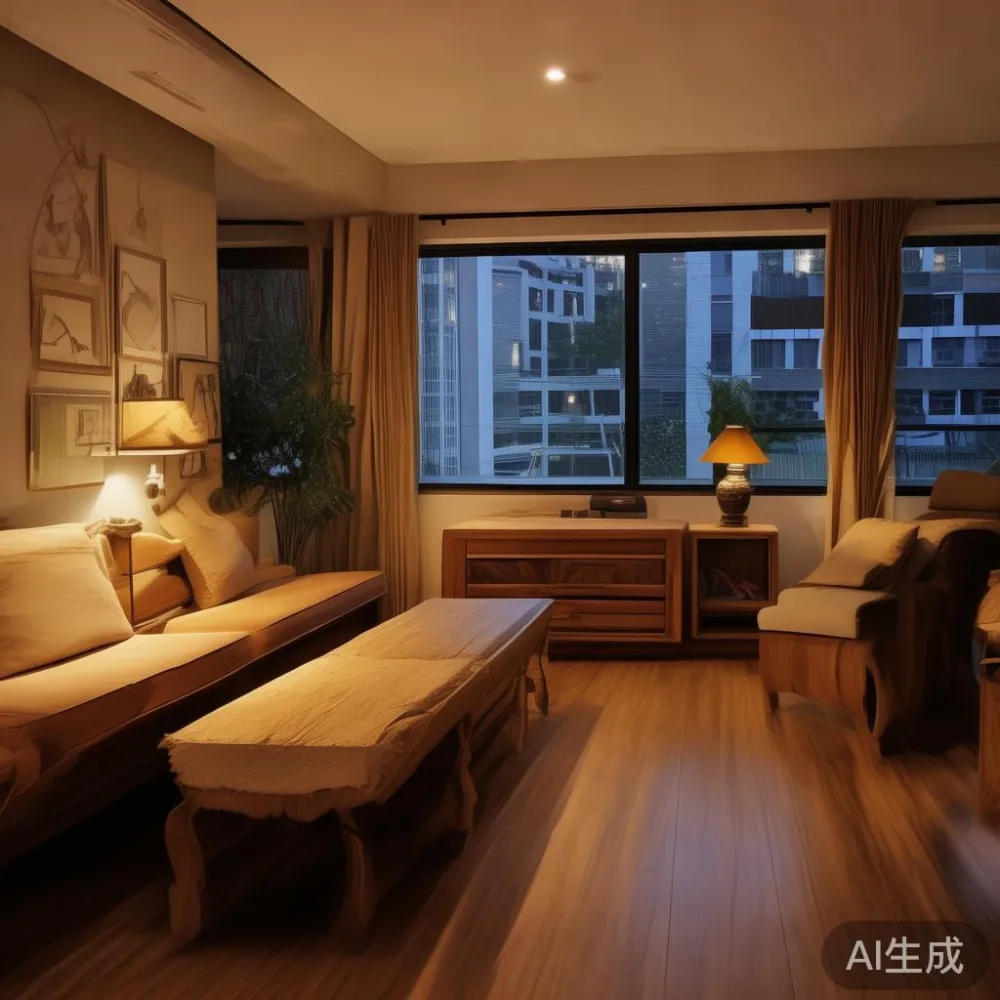
Why Singapore Homes Are a Special Stress Test for Furniture
HDB flats and most private condos in Bedok, Punggol, and the older Bukit Merah blocks share a few constants that mainland China apartments do not. Average indoor humidity sits between 70 percent and 85 percent for at least nine months a year, with daily swings of 10 to 15 percent when windows are opened against the corridor air. Temperatures stay between 24 and 32 degrees Celsius year-round, with no real cold season to kill off any larvae that might have hitched a ride inside a flat-pack box. The lift opening in most HDB blocks measures about 1.8 m by 1.1 m, and the corridor turning radius at a typical 1990s block at Bakane roughly 1.95 m tall and 1.05 m wide, so any wardrobe taller than 2.0 m has to be partially disassembled, walked in diagonally, or hoisted through a service window. That logistics reality alone shapes what you can actually own.
Veneer furniture — a thin layer of real wood (usually 0.3 mm to 0.6 mm) over an engineered core of MDF, particleboard, or plywood — was designed for flat-pack shipping and IKEA-style self-assembly. Solid wood furniture is built from single pieces of timber, 2 cm to 4 cm thick for most table tops, kiln-dried to a moisture content of 8 percent to 12 percent before assembly. Both can look identical on day one. The photos will tell you nothing about year five.
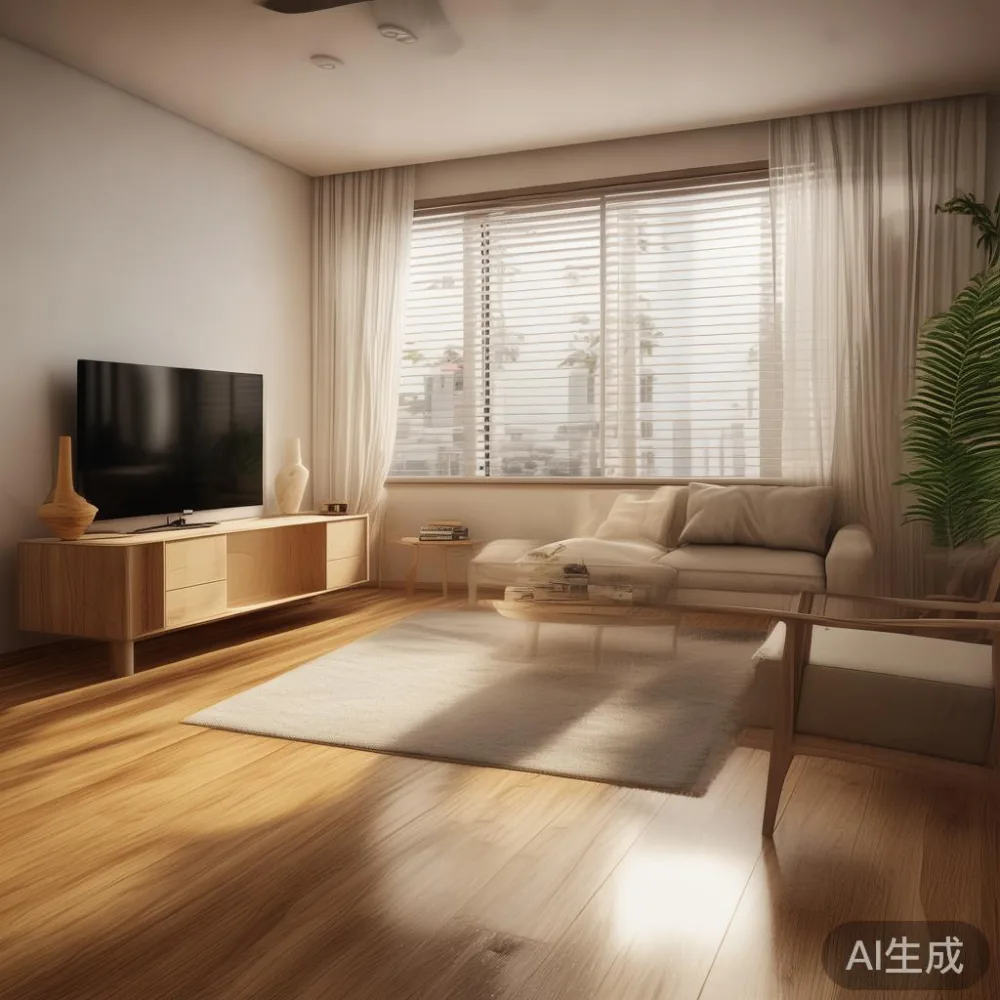
The Numbers: What Each Option Actually Costs Over 60 Months
Let me lay out a realistic scenario for a young couple in Punggol furnishing a 92 sqm HDB-plus flat with five pieces: a 1.6 m dining table, a 1.8 m wardrobe, a dining table, a standard double bed frame, and two nightstands. All prices include 9 percent GST and delivery to a Tampines block on the 12th floor.
Veneer / engineered wood path (SGD):
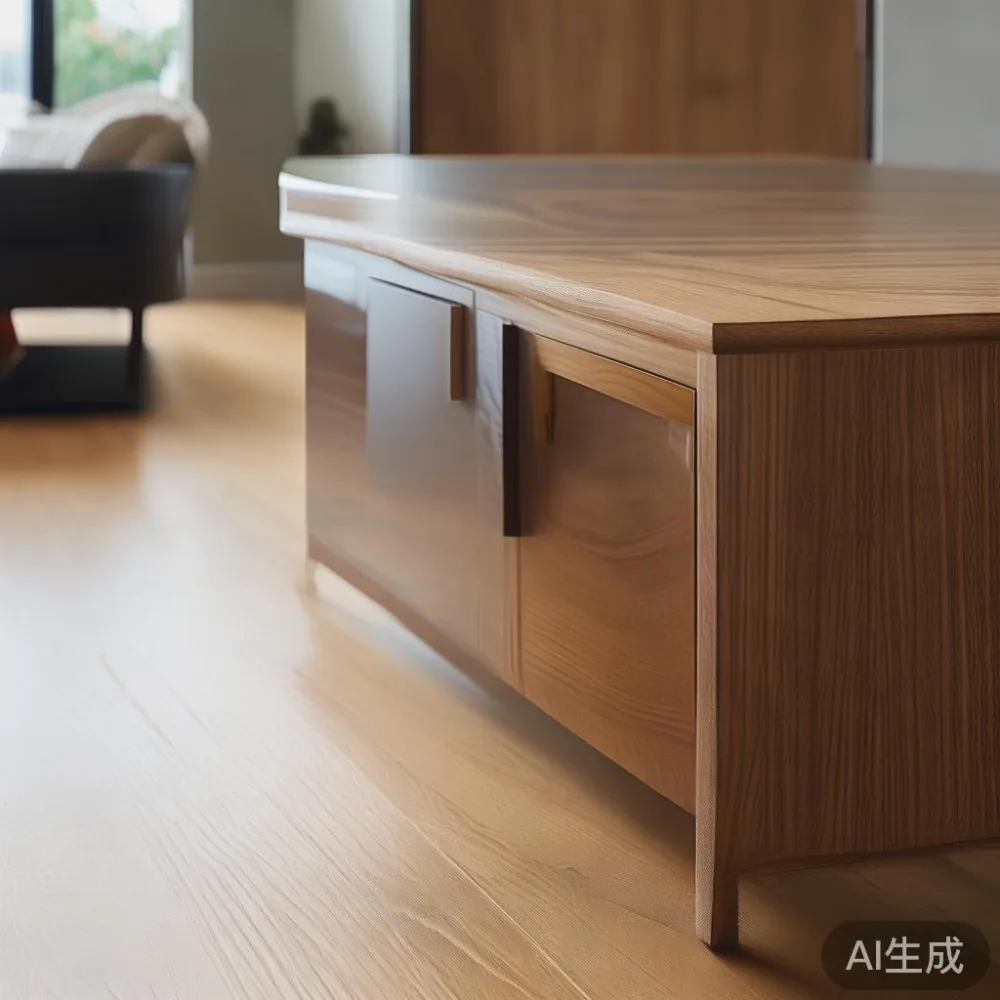
- Dining table 1.4 m, rubberwood veneer on MDF: 580 SGD
- Wardrobe 1.8 m x 2.0 m, melamine-faced chipboard: 1,120 SGD
- Double bed frame, paper-laminated engineered wood: 720 SGD
- Two nightstands, veneer on particleboard: 220 SGD each, total 440 SGD
- Delivery and assembly: 180 SGD
Total at purchase: 3,040 SGD. By year three, the wardrobe's chipboard edges have swollen along the bottom panel from monsoon humidity, the dining table surface shows a 12 cm crackle near the heat ring from a hot pot, and one nightstand's drawer runner has sags. 1,050 SGD, total ownership over 60 months: 4,090 SGD. By year five, two of the five pieces are headed for the junk yard and a fourth suit is on its last legs.
Solid wood path (SGD):
- Dining table 1.6 m, solid ash: 1,950 SGD
- Wardrobe 1.8 m x 2.0 m, solid ash and rubberwood: 2,750 SGD
- Double bed frame, solid ash: 1,420 SGD
- Two nightstands, solid ash: 380 SGD each, total 760 SGD
- Delivery and on-site assembly (two carpenters, half a day): 420 SGD
Total at purchase: 7,300 SGD. By year three, nothing structural has changed. Two drawer slides need adjustment at 60 SGD, and a small surface scratch on the dining table is filled at 80 SGD. 4,640 SGD. By year five, the wardrobe, bed frame, dining table, and both nightstands are all still in service, with a light re-oiling pass 240 SGD so 4,880 SGD. The ash table has probably gained character rather than lost it.
Spread over 60 months, the veneer path runs at roughly 68 SGD per month, the solid wood path at roughly 81 SGD per month. The 13 SGD monthly gap buys you ten extra years of usable life on the same five pieces, plus a residual trade-in value of around 1,200 SGD if you ever upgrade.
What "Missing Parts" Means When You Open the Box
Here is where the site's core term earns its place. "Missing parts" usually shows up in two ways. The first is the literal version: you open a flat-pack from any major retailer and find that the cam lock for bed rail bay door bolt for wardrobe, or the hinge pin for a nightstand drawer is nowhere in the bag. In my colleague's flat in Sengkang, a 2.0 m veneered wardrobe arrived with twelve out of thirteen dowels present, and a 35 SGD same-day courier fee from a third-party hardware shop at Bedok so the rest of the build stretched across two weekends instead of one afternoon. That is a hidden cost that almost never appears in the advertised sticker price.
The second, and more serious, kind of missing parts happens to veneer furniture in year three or four, when a corner of the MDF core has actually crumbled away, a melamine edge band has peeled off, or a backing panel has delaminated. Those parts cannot be ordered at all because the manufacturer has long since moved on to next season's SKU. You are not missing a bolt; you are missing the furniture itself. A solid wood piece in the same condition is almost always repairable because the material is the same dimension. The same colleague, three years later, now has a solid ash wardrobe in the same bedroom with one corner re-glued and re-oiled at a cost of 90 SGD, done in her living room by a handyman she found through a Hougang contractor group.
Is American Country Loveseat Furniture Worth It?
Yes, American country loveseat furniture is genuinely worth it for Singapore homes if you buy it in solid wood and skip the printed-veneer versions, since the style's whole appeal rests on visible grain, hand-planed edges, and the kind of wear that only happens to real timber. The reason is structural: an American country loveseat, like a French light luxury accent chair or a Nordic ash wood care sofa, is meant to age into a softer, more lived-in version of itself. A 0.5 mm veneer over MDF cannot do that. The moment the top layer cracks at a corner, the entire piece looks tired rather than lived-in. A solid ash or white oak loveseat at 1,650 SGD to 2,200 SGD from a Foshan workshop, with a 10-year structural warranty and on-site finishing included, earns its keep over a decade. A veneered look-alike at 780 SGD is, in most cases, simply a different product in different clothes, destined for the curb by year six.
If you want the American country look without the full footprint, consider pairing the loveseat with a marble table in the same room. A small Carrara marble side table at 480 SGD sits beautifully next to a solid wood frame, and unlike a marble-veneered MDF table, it actually is marble. For HDB buyers who are nervous about weight, a 60 cm round marble table weighs around 28 kg, well within the 150 kg per square metre floor load that every HDB flat can carry, but do plan the lift access in advance. A 70 kg rectangular marble table is much harder to manoeuvre at a 1.1 m wide corridor turning radius at a 1990s block at Bakane.
How Light-Luxury Styles Change the Math
Three style families matter most for the Singapore market right now: French light luxury, American light luxury, and post-modern light luxury. All three rely heavily on materials that read well in photos and on shop floors, and all three punish veneers more than they punish solids.
French light luxury tends toward cream-painted frames with brushed brass handles, fluted drawer fronts, and visible grain on the solid sofa front panels. Post-modern light luxury is bolder, with curved edges on nightstand corners and contrasting wood tones on a wardrobe. American light luxury is the closest cousin to the loveseat above, with hand-planed tops and slightly distressed finishes. Each one of these depends on a surface that can take a second coat of paint, a fresh wax, or a light sanding. A 0.3 mm veneer cannot take a second sanding. A solid wood piece can take three to five over its lifetime.
This is also why MIDHILL's catalogue leans so heavily on the solid wood sofa category, the solid wood bed frame, the solid wood dining table, the solid wood nightstand, and the marble table with a real stone top. The Foshan factory has been doing exactly this since 2008, shipping to fifteen-plus countries, and the 10-year structural warranty plus lifetime refinishing is the kind of offer that only makes economic sense when the underlying timber is thick enough to refinish. A 0.5 mm veneer cannot be refinished at all.
The Hidden Costs Most Buyers Forget to Add
Three line items almost always go missing from the five-year spreadsheet. The first is disposal. A 1.8 m wardrobe in a Tampines flat does not fit down the lift when it is time to demolish, so it usually has to be broken down on-site and carried out in pieces, which costs 80 SGD to 150 SGD depending on the block. Solid wood pieces, especially a marble table weighing 35 kg or more, also cost the same to remove, but they retain a resale value of 15 percent to 30 percent of purchase price on Carousell, so the net disposal cost is lower or even negative.
The second hidden cost is repair downtime. When a drawer runner sags or a hinge pin shears off on a veneered piece, the part may take two to six weeks to arrive from a regional warehouse. For a solid wood piece, a local handyman can usually fabricate a replacement or repair the existing part on the same day, and parts like wood slugs and screw bosses are usually present in hand-pressure stock at a single day from a Hougang contractor group.
The third hidden cost is the matching or replacement cost. Veneer finishes are tied to a season. When your wardrobe's melamine code is discontinued, you cannot replace one panel without replacing the whole unit. Solid wood finishes can be matched by any competent workshop, because the material itself is the same dimension. If you own a solid ash bed frame today, you can buy a matching solid ash nightstand five years from now and the grain will read as a pair.
Practical Singapore Math for a New Buyer This Quarter
If you are buying in the next three months and you want the lowest realistic five-year cost for a five-piece starter set, the math points to solid ash or solid rubberwood, in a light-luxury style that suits your block, delivered with on-site assembly, and covered by a 10-year structural warranty. The lifetime refinishing pass at year five should cost no more than 240 SGD for a full five-piece set. Free shipping over US$350 is one industry benchmark worth checking against, because international sea freight from Foshan to Singapore currently runs about 280 SGD per cubic metre, and the 350 USD freight waiver actually equates to roughly 480 SGD at Sea freight for this route.
For a Tampines flat with a 1.1 m lift opening, fine solid wood wardrobe wardrobe that already holds up over a decade at 2,750 SGD for a 1.8 m x 2.0 m unit. For a Punggol condo with a wider 1.4 m service lift, a 2.4 m solid wood wardrobe at 3,200 SGD opens up extra hanging space. For a Bedok resale flat on a high floor with a 1.05 m wide corridor turning radius at a 1990s block at Bakane, avoid any wardrobe deeper than 60 cm. For a family in a new six town block at Punggol with a 1.6 m wide service lift, any standard solid wood wardrobe will fit. If you are furnishing a five-room flat in a newer Punggol condo, plan for a 14-day return window from any supplier, and check that the return shipping is covered for faulty parts. It is, in most cases, the supplier's responsibility.
Buy once, refinish twice, hand it down. That is the real five-year cost story for solid wood in a Singapore HDB.