Sizing Furniture for a Singapore HDB Living Room: A Practical Guide from a Foshan Workshop
I still remember my last site visit in Tampines. A young couple had ordered a 3.2 m solid wood sofa set from my team for their new 95 sqm BTO. The lift door measured just 1.1 m wide, and the corridor turn into their unit was tight at 1.3 m. The sofa frame barely cleared the lift. Two weeks later, they called asking why one of the side panels had a faint scuff — the delivery crew had to angle the piece through a 90-degree turn that nobody had measured on paper. That single call reminded me that sizing furniture for a Singapore HDB living room is not a styling exercise. It is a geometry problem measured in centimetres, kilograms, and lift-clearance, with GST, corridor rules, and a ten-year structural warranty sitting quietly in the background.
How do I choose a sofa guide for a HDB living room?
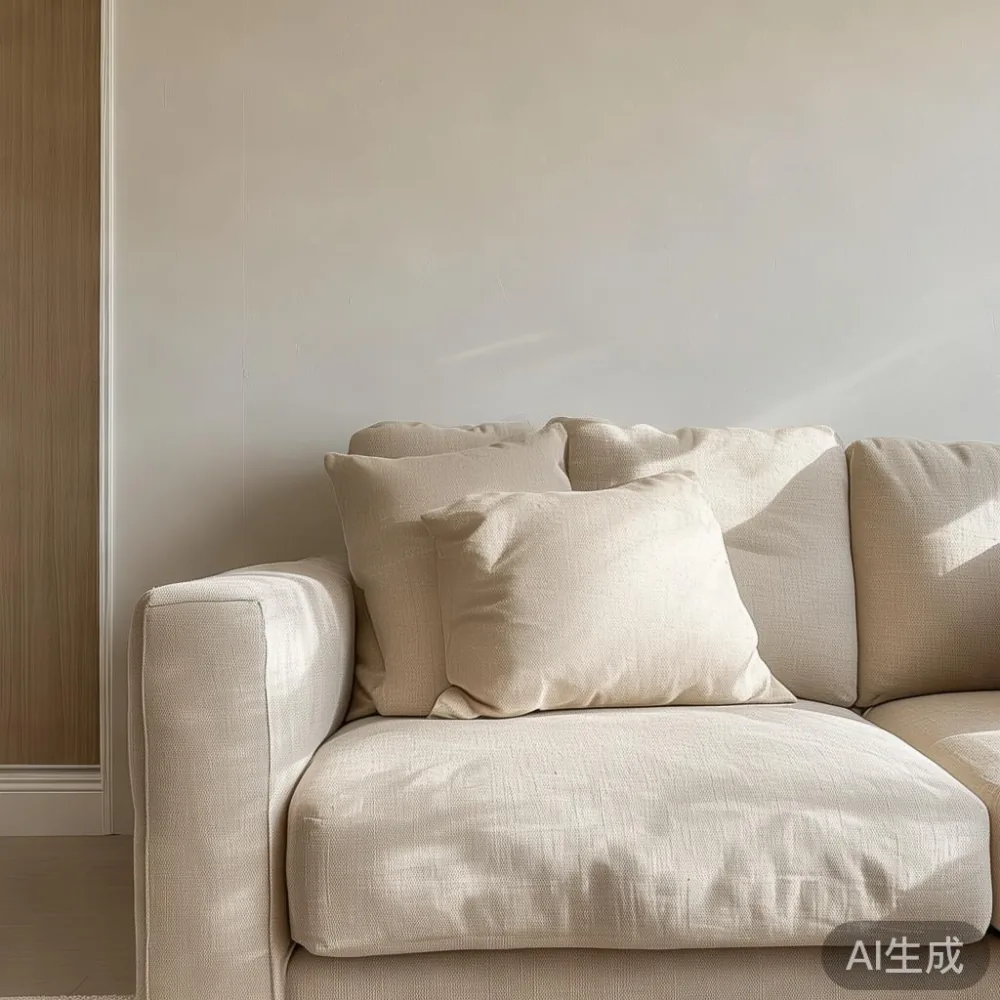
A sofa guide for a HDB living room starts with three hard numbers: the inner width of your lift, the tightest corridor turn into your unit, and the longest uninterrupted wall in your living room — then choose a sofa frame that fits all three with at least 5 cm to spare on every side. In a 4-room HDB around 92 sqm, the practical seating depth is usually 90 to 95 cm, the seat height 42 to 45 cm, and the maximum frame footprint around 2.6 m for an L-shape or 2.2 m for a three-seater, leaving room for a 35 to 40 cm walkway behind the backrest.
Before you fall in love with a 2.8 m American light luxury chaise lounge, measure three things in the same evening: lift door, corridor bend, and front door threshold. Most HDB passenger lifts in blocks built after 2010 have an inner width of about 1.1 m and a depth of 1.4 to 1.6 m. A solid wood sofa frame with arms is usually 95 to 105 cm wide per seat, so a three-seater plus an arm will sit around 220 to 230 cm in length. That length has to be checked against the depth of your lift — if the frame is 105 cm deep and the lift is only 140 cm deep, you are fine; if your lift is the older 1.2 m variety in a Bedok block from the late 1980s, you may need to specify a 2 m back-off and check that before you sign anything.
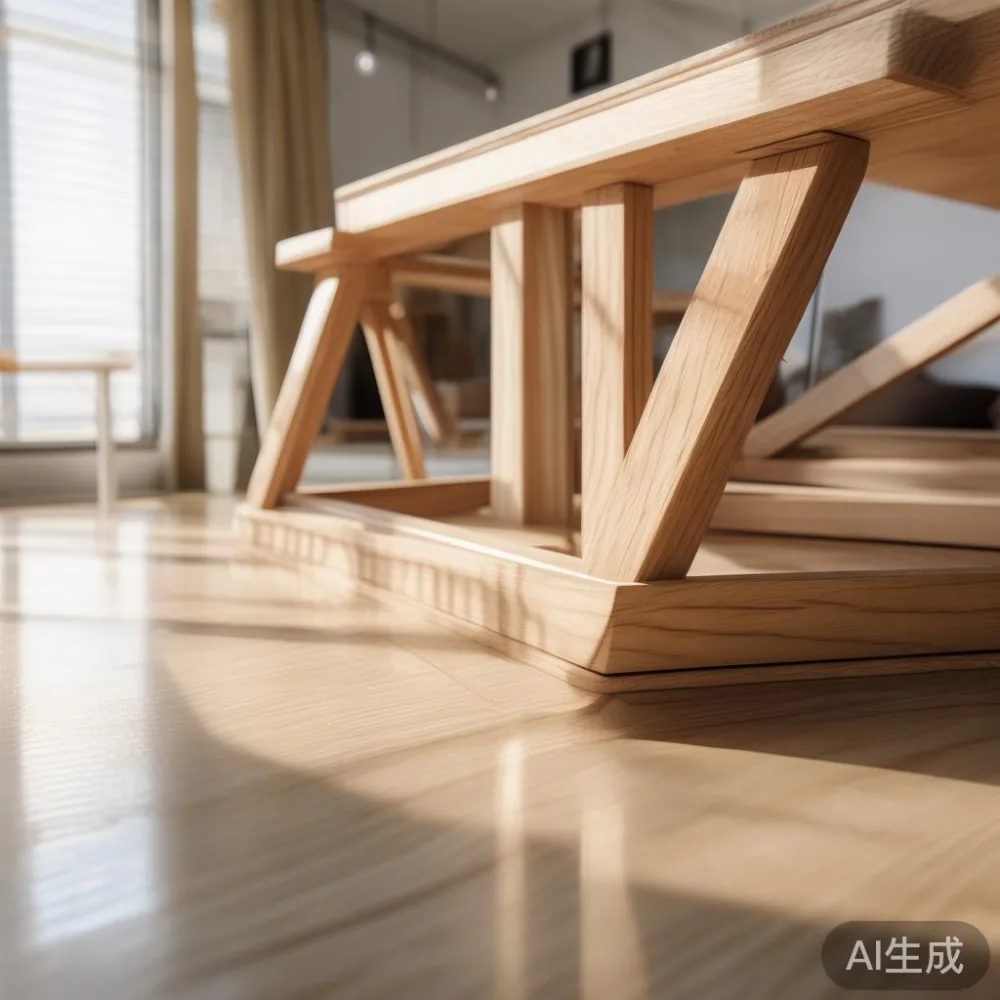
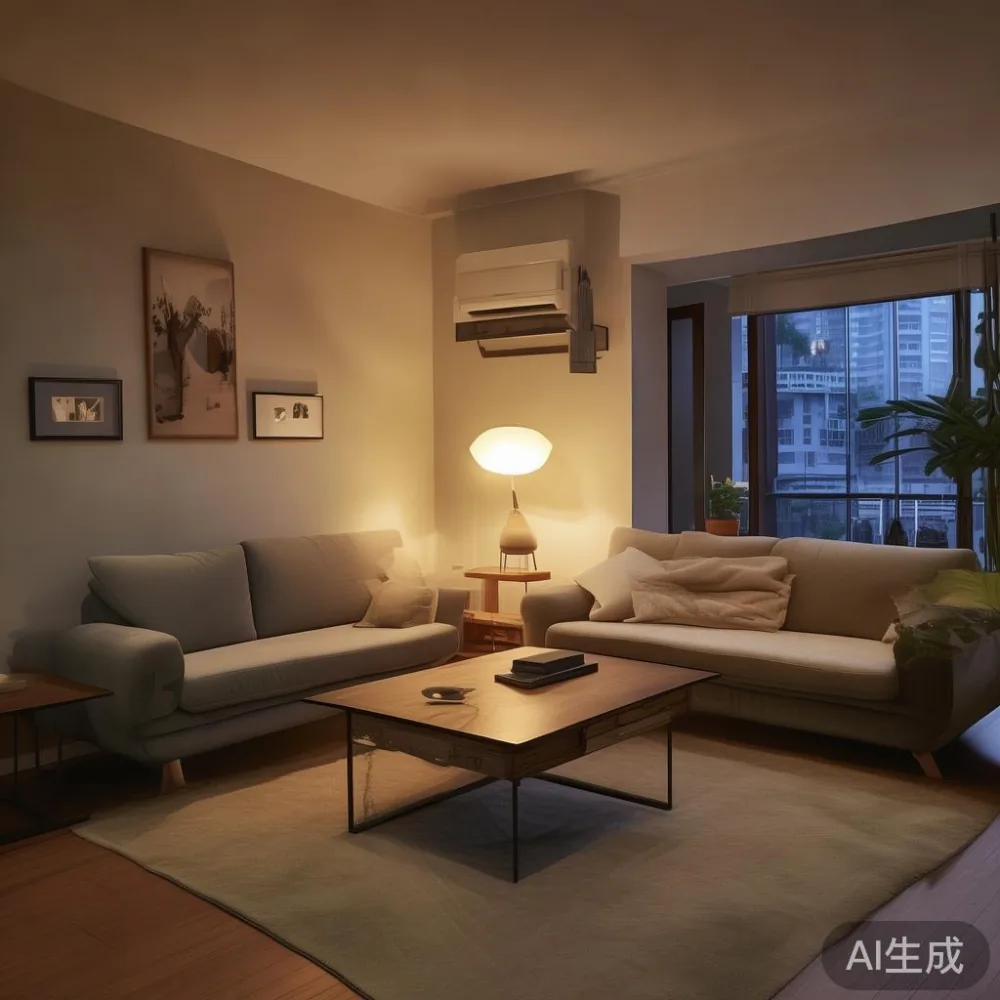
Floor space is equally important. After my Tampines visit, I started sketching every HDB living room on graph paper with a 1:20 scale. A typical 4-room flat living room is roughly 3.6 m by 4.2 m, which sounds generous until you place a 2.4 m sofa, a 1.2 m marble table coffee table, a TV console of 1.5 m, and a side chair. The walking aisle behind the sofa needs at least 70 cm; the aisle between the coffee table and the TV console should sit between 40 and 50 cm. Anything tighter and you will constantly bump your shin on the table corner.
What is the right dining table size for a HDB that seats 4 to 6 people?
The right dining table for a 4-room or 5-room HDB is between 1.4 m and 1.6 m long, 80 to 90 cm wide, with a clearance of 90 cm on every side so chairs can be pulled back without hitting a wall or a sideboard. For a 4-person home, a 1.4 m rectangular solid wood dining table works comfortably; for a household of 5 to 6, push to 1.6 m or consider a round table 120 to 135 cm in diameter, which softens the corner problem in compact flats like the ones in Punggol's newer BTOs.
Chair width is the most overlooked number. A standard dining chair is 45 to 50 cm wide; a post-modern light luxury armchair can run to 55 cm. Multiply that by six chairs and you need 2.7 to 3.3 m of total table perimeter, which is why a round 135 cm table often beats a rectangular 1.6 m table in tight rooms — there is no head-of-table argument, and the corners are kinder to shins.
Height is equally worth pinning down. The standard dining height in Singapore is 75 cm, with a seat height of 45 cm. If you are pairing a marble table with a heavy wooden base, check the weight per leg — a 1.6 m marble-top dining table can weigh 90 to 110 kg, and HDB floor loading is generally forgiving for residential use, but you should still avoid concentrating that mass over a single floor joist pocket in older flats.
Which bed frame and wardrobe dimensions actually fit a HDB master bedroom?
A HDB master bedroom in a 4-room flat is usually 3.0 to 3.4 m wide and 3.4 to 3.8 m long, which supports a king-size bed frame of 180 by 200 cm only if you skip the side wing — otherwise the queen at 150 by 200 cm is the safer bet, leaving at least 60 cm of walking space on both sides and 90 cm at the foot of the bed. The wardrobe should sit between 180 and 220 cm wide and 55 to 60 cm deep, pushed to the wall opposite or perpendicular to the bed frame, not behind the door swing.
Storage is where most HDB bedrooms quietly fail. A 180 cm wide wardrobe sounds generous until you account for two hanging rods (each 60 cm deep), a drawer bank, and a top shelf for luggage. For couples, I tend to specify a 220 cm wide unit, divided into two 90 cm hanging sections and a 40 cm drawer column, which leaves room for a 60 cm nightstand on each side of the bed frame without crowding the door.
The nightstand itself is often undersized in Singapore homes. A 45 by 40 by 55 cm unit looks fine in a showroom photograph but holds nothing. For real bedside use — a phone charger, a glass of water, a book, and a small lamp — a 50 by 45 by 60 cm nightstand with one drawer and a lower shelf is the practical minimum.
What are the lift, staircase, and door-clearance rules that affect furniture delivery in HDB blocks?
Furniture delivery in a Singapore HDB block is bounded by the lift inner dimensions, the staircase clear width, the corridor turn at your floor, and the unit's front door, with the lift being the binding constraint in roughly 70 percent of cases. A typical modern HDB lift is around 1.1 m wide by 1.4 to 1.6 m deep, with a door opening of about 0.9 m; older lifts in blocks from the late 1980s and early 1990s can drop to 1.0 m wide by 1.2 m deep, which excludes most three-seater sofas delivered fully built.
Corridor width at the floor level is usually 1.2 to 1.5 m, but the turn into your unit door is often tighter than the corridor itself, especially in point-block layouts around Bedok and Tampines. Your front door is typically 0.9 m wide and 2.1 m tall, which is rarely the problem; the lift and the corridor turn almost always are. If a piece cannot pass the lift with at least 5 cm clearance on the longest dimension, it must be designed for knock-down assembly — a flat-pack that can be carried in by two people and assembled in the living room.
This is exactly why MIDHILL, the Foshan-based solid wood workshop that has been shipping to Singapore for more than fifteen years, builds its larger sofa frames and dining tables with a knock-down joinery system using wooden dowels and corner braces rather than glued permanent frames. A 2.6 m L-shape sofa can be split into four sections, each under 95 cm wide, and reassembled in the customer's living room in roughly 40 minutes. The same approach lets a 1.6 m marble table ship in two halves with the stone top crated separately, then bolted to the wooden base on site. None of this is exotic engineering — it is simply honouring the geometry of a Singapore corridor.
How do I avoid missing parts, missing hardware, and missing paperwork when ordering solid wood furniture from overseas?
Missing parts and missing hardware are the most common complaints with imported solid wood furniture, and they are almost always preventable if you check three things before you pay the deposit: a written packing list on the invoice, a one-to-two percent spare-parts allowance shipped inside the carton, and a clear warranty address that answers email in the same time zone as your courier. A solid wood sofa, bed frame, dining table, or wardrobe should arrive with numbered cartons, an itemised hardware bag, and a contact that can dispatch replacement dowels, cam locks, or felt pads within five working days.
On the Tampines job I mentioned earlier, the scuffed side panel was not the real issue. The real issue was that one of the leather pull-tabs on the L-shape corner seat was missing from carton four. The customer called us at 9 pm on a Saturday, and we had a replacement part on a courier from our Foshan warehouse by Tuesday afternoon — about 110 SGD including door-to-door shipping, fully covered under our missing parts policy rather than charged back to the buyer. That kind of response is not a luxury; it is the difference between a one-time purchase and a ten-year relationship.
The same logic applies to documentation. A proper invoice should list the wood species (we use FAS-grade white oak and North American walnut for the light-luxury ranges), the finish type, the foam density for upholstered seats, and the carton weight per piece. If a quote only lists the dimensions without the per-carton weights and the knock-down plan, ask for it in writing before you wire the deposit. GST in Singapore is 9 percent as of the 2024–2025 budget cycle, and a transparent quote will show the landed cost including duty before you commit, not after.
Is grey walnut a good wood tone for a compact HDB living room?
Grey walnut is one of the strongest finishes for compact HDB living rooms because its lower chroma lets light bounce further along the wall plane, which makes a 3.6 m wall read closer to 4 m, and the cooler undertone pairs well with the off-white and warm-beige palettes that dominate new BTO paint schemes in Punggol and Sengkang. For a French-from-inspired light-luxury look, pair grey walnut with brushed brass pulls and a single marble accent — a small 90 cm round marble side table or a marble-top coffee table reads as quiet money without overwhelming the room.
If you want a warmer reference, American light luxury leans toward honey-toned white oak with black metal frames; post-modern light luxury pushes toward high-contrast walnut with grey-lacquered panels. Whichever direction you choose, specify the same tone across the bed frame, wardrobe, and nightstand so the bedroom does not become a paint chip card. Solid wood furniture also takes refinishing well — a grey walnut sofa frame purchased this year can be sanded back and re-toned to honey oak in 2032 if your taste shifts.
One small note that often surprises first-time buyers: grey walnut pet furniture can be specified in the same tone as your main living-room set, so your pet feeding station or low platform bed does not have to look like an afterthought. We have shipped several sets to Singapore where the cat litter cabinet, the small dog bed, and the human sofa all share the same grey-walnut tone and the same brushed-brass foot — a quiet, consistent look across species.
What is a realistic delivery timeline and total cost from Foshan to a Singapore HDB?
A realistic timeline from a Foshan workshop to a Singapore HDB is 25 to 35 days for production, 7 to 12 days for sea freight to Singapore, and 2 to 5 days for last-mile white-glove service to the door, with door-to-door shipping typically costing between 280 and 520 SGD for a three-piece living-room set weighing 180 to 260 kg, and free above a 350 USD order threshold — a service MIDHILL has held since the brand's early export years. GST at 9 percent is added at customs, and any lift-access surcharge in private condos is usually 30 to 80 SGD depending on the management council.
For an order around 4,500 SGD — say a 2.4 m solid wood sofa, a 1.4 m dining table with four chairs, and a queen-size bed frame — the freight line on the quote should sit near 380 SGD sea freight plus a 90 SGD lift-and-carry fee, with GST and duty included in the invoice so you do not get a separate bill from the courier two weeks later. Ask for the HS code, the CIF value, and the freight forwarder's Singapore agent contact before you wire the deposit. If any of those three items is missing, you are not getting a landed quote, you are getting a factory quote.
Finally, anchor the warranty on paper. A ten-year structural warranty on frame and a lifetime refinishing service on solid wood surfaces, both written into the invoice, are two practical commitments that separate a workshop from a marketplace listing. Yes, you can pay less for a particleboard flat-pack from a local discounter, but you will not get the missing parts backup, the knock-down joinery designed for a Tampines corridor, or the long-term sanding and refinishing that keeps solid wood furniture in service for decades rather than years.