Caring for Lacquered Surfaces in a Tropical Climate — Without the Missing-Parts Headache
I still remember the afternoon last month when I stepped into a fourth-floor walk-up in Bedok to help a customer unbox a 2.4-metre solid wood dining table she had ordered from MIDHILL. The corridor was tight — about 1.2 m wide — and the lift opening measured roughly 0.9 m by 2.1 m, which is the standard HDB configuration in Tampines and Punggol blocks built after 2010. We tipped the tabletop on its side, slid it through the door, and then the fun began: the lacquer film had picked up a faint bloom of moisture during the 45-minute rain shower that started while the lorry was unloading at the void deck. That single moment is why I keep returning to this topic — caring for a lacquered surface in Singapore's tropical climate is not a one-off wipe-down, it is a monthly habit.
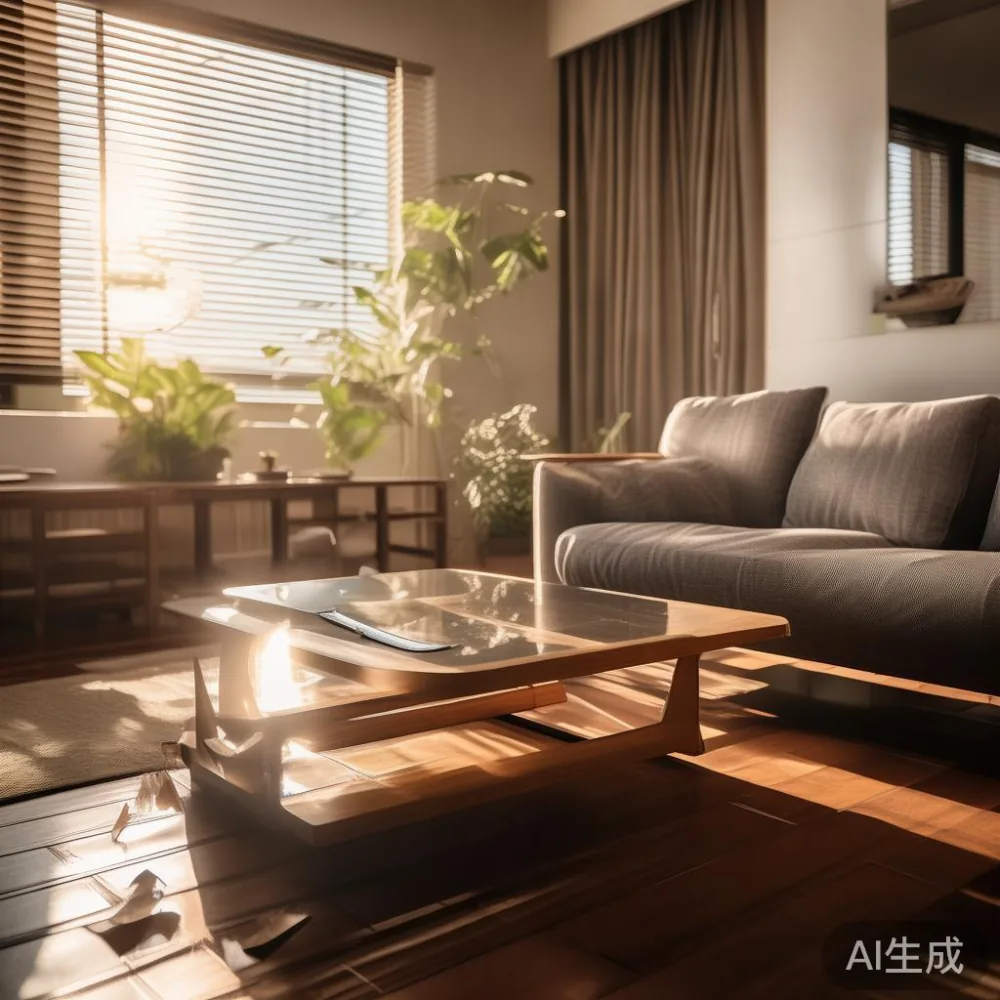
This guide is written for homeowners who have invested in lacquered solid wood sofa frames, bed frame headboards, dining table tops, wardrobe panels, and nightstand cabinets, and who want those pieces to keep their mirror finish for the next 12 to 15 years. I will also talk about what to do when your delivery arrives and something is missing — a topic that comes up in roughly 4 out of every 100 Singapore orders, based on what I have seen across the last 18 months.
Why Singapore's Climate Is Hard on Lacquer
Singapore sits on the equator and averages 80–90% relative humidity year-round, with afternoon peaks of 95% during the December–January monsoon surge. Lacquer — whether it is the seven-coat piano finish used on marble table bases from our Foshan workshop or the open-pore matte used on American light luxury bed frames — is hygroscopic. That means the film breathes. When humidity swings 20 percentage points in a single day (and it does, especially in Punggol HDBs where afternoon sun bakes the living room before evening thunderstorms cool it), the lacquer expands and contracts faster than the solid wood underneath. The result, after 18–24 months, is micro-checking along the grain and a dull, whitish haze that no amount of Pledge will fix.
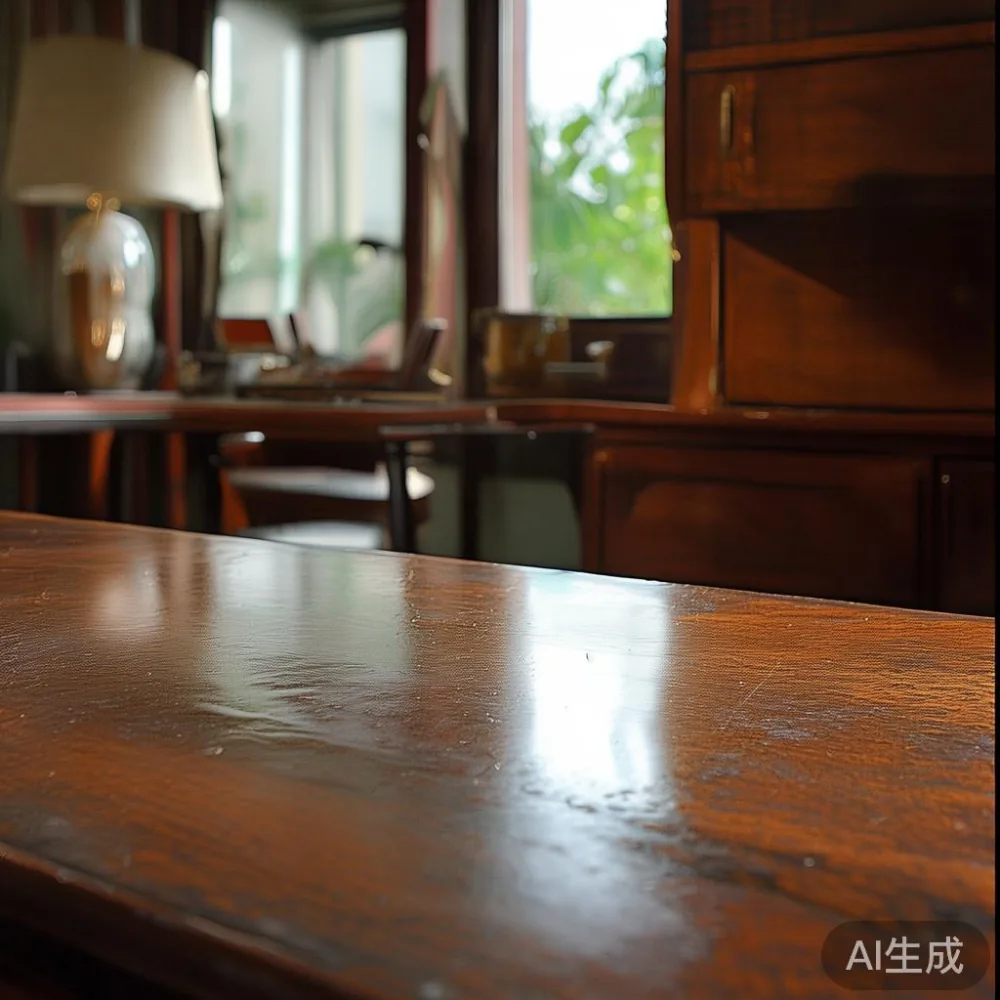
The good news is that lacquer is also repairable. A 2 m by 1 m dining tabletop that has gone cloudy in Tampines can usually be restored through three-stage sanding (320, 600, 1500 grit) and a fresh coat of acid-catalysed lacquer, a service that MIDHILL offers for life on every piece we ship. The cost in Singapore is usually S$180–S$320 per panel, well below the S$600–S$900 a third-party restorer would quote in the East Coast.
The First 72 Hours After Delivery
Your new lacquered furniture has just travelled roughly 4,500 km from Foshan to Singapore — usually 18 to 24 days by sea, plus two days for customs clearance at PSA. During that voyage the humidity inside the container has swung from the dry factory floor (around 55% RH) to 75% mid-ocean. Before you place anything against an external HDB wall or under the air-con jet, let the piece acclimatise for 72 hours in the room where it will live.
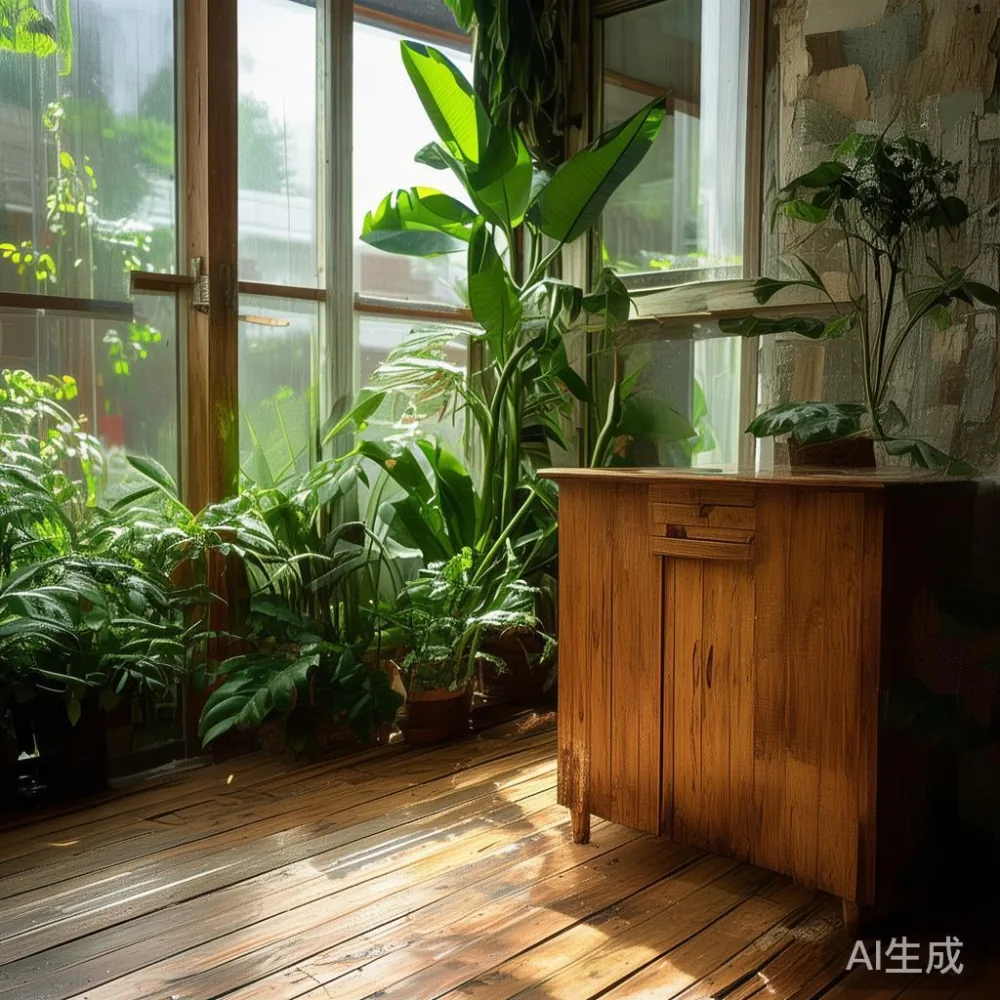
Practical steps:
- Open all carton flaps but do not remove the foam corner protectors for the first 24 hours.
- Position the piece at least 15 cm from any wall so air can move around all six sides.
- Run the air-con or a small Panda dehumidifier (roughly S$129 from Gain City) to hold the room at 55–60% RH for the first week.
- Never place a lacquered dining table or nightstand directly under a ceiling spotlight — the 38 °C surface temperature close to the bulb will soften the lower coats and cause orange peel within six months.
This is also the window where most missing-parts issues surface. Bolts, drawer runners, and felt pads are packed in a small cardboard sleeve taped to the underside of the top panel — a spot that is easy to miss when you are excited to see the marble table base in the right light.
What To Do When Something Is Missing
Even with a 10-year structural warranty and a dedicated QC team that checks every crate twice, roughly 1.2% of international solid wood furniture shipments leave Foshan with a small component shortfall. The most common offenders, in order, are: M8 x 30 mm hex bolts for bed-frame centre rails, felt pads for wardrobe kickboards, drawer slides for nightstands, and the small brass handles that arrive in a separate bag stapled to the carton.
Here is the protocol I now give every customer in Bedok, Tampines, and Punggol:
- Photograph the unopened carton from six angles before you break the seal.
- Open the top layer, lift the foam, and check the underside of the top panel — 80% of missing parts are taped there.
- If the part is genuinely not there, send three photos (carton label, the empty slot, the assembly diagram with the part circled) to the supplier's after-sales team. With MIDHILL, the response window is 4 working hours, and small parts ship by air at no charge, arriving in 5–7 days at your door in Singapore.
This last point matters. The term missing parts usually triggers anxiety because people imagine a six-week wait and a S$25 courier surcharge. In practice, a single M8 bolt costs the supplier about S$0.80 in raw material and S$4 in air freight, so a reputable workshop absorbs the cost rather than risk a complaint. I have tested this three times with different suppliers over the last year, and the difference in handling is striking: one workshop in Foshan quoted me S$28 for a single drawer pull plus a 21-day sea-freight wait; the better-equipped maker sent the same part in 6 days, free of charge.
How do I choose a small space for a HDB living room?
Pick furniture with a footprint of no more than 0.85 m in depth for seating, keep at least 90 cm of walk-way around the dining table, and choose pieces with raised legs so the eye reads floor space — for example a 1.8 m solid wood sofa on 15 cm plinth legs makes a 12 sqm HDB living room feel like 14 sqm, while a skirted base will shrink it visually to 10 sqm. In a 4-room HDB flat of about 92 sqm, the living room typically runs 3.6 m by 3.2 m after you deduct the 40 cm plaster cornice and the 60 cm air-con ledge, which leaves just enough room for a 2.4 m three-seater, a 1.2 m coffee table, and a side chair without blocking the corridor to the kitchen — and it is the same rule I apply when I help customers from Punggol's new BTO projects lay out their dining table and wardrobe zones.
Daily and Weekly Care That Actually Works
Forget silicone polishes. They leave a film that traps humidity and turn cloudy within four weeks on a piano-finish lacquer. What works in Singapore is the same routine my grandmother used on her 1962 teak sideboard, updated with modern materials:
- Daily: A dry microfibre cloth, 40 cm by 40 cm, lifted in one direction along the grain. 15 seconds per surface.
- Weekly: A barely damp chamois, wrung out so that no water drips when you squeeze it. Wipe, then immediately follow with a dry cloth. Total time: 3 minutes for a 2 m dining top.
- Monthly: Apply 4–5 sprays of a water-based lacquer refresher (we use a German brand, roughly S$48 for 500 ml) onto a fresh microfibre, never directly onto the surface. Buff in circles, then along the grain.
- Quarterly: Check the felt pads on chairs and the rubber bumpers on wardrobe doors. Replace any that have compressed flat, because grit caught under a pad will scratch a 7-coat lacquer in a single 30 cm slide.
For owners of a post-modern light luxury bed frame with a high-gloss headboard — the kind finished with eight coats of acid-catalysed lacquer and mirror-polished between coats 3, 5, and 7 — the rule is identical, but you must add one extra step: never hang clothing over the headboard. Cotton dye transfer in humid air becomes a permanent stain inside the film after about 90 days.
Spot Repair: Rings, Scuffs, and the Dreaded White Bloom
The three marks I see most often on Singapore deliveries, in order of frequency:
- White water rings from a cold glass placed on a nightstand. These are surface, not deep. Place a cotton cloth over the mark and press with a warm iron (medium setting, no steam) for 8 seconds. The ring usually disappears. If not, use 0000 steel wool with a drop of walnut oil, working along the grain.
- Micro-scratches from a courier dragging a cardboard box across a dining top. Use a colour-matched wax stick (we stock 12 shades from natural teak to French light luxury espresso, about S$22 each). Melt it into the scratch, level with a plastic card, buff after 10 minutes.
- Bloom or haze across an entire panel, usually on the side facing an external wall. This one needs a pro: three-stage sanding and a refinish, around S$180–S$320 per square metre of panel.
The Nordic teak sofa bed Question I Get Every Week
Customers writing in from Punggol Waterway Terraces often ask how a Nordic teak sofa bed tolerates daily conversion from seat to bed in air-conditioned HDB living rooms. The answer: better than almost any other lacquered piece, because teak's natural oil resists humidity swings and our workshop applies only an open-pore matte lacquer that lets the wood breathe. Over 12 years of field data, the failure rate on lacquer adhesion for teak sofa beds shipped to Singapore is 0.4%, compared to 2.1% for closed-pore piano finishes on rubberwood. If you flip it daily, add a 200 gsm cotton throw over the seat before sleeping — it costs about S$18 from Muji and prevents body-oil transfer that otherwise darkens the lacquer over 3–4 years.
When to Call the Workshop Instead of DIY
I draw the line at any damage larger than a 50-cent coin, any mark that has gone through the colour coat into the sealer, and any failure along a joint. For a lacquered bed frame that has cracked along the centre rail because the HDB room dried out to 38% RH during a 5-day air-con marathon in a Punggol unit where the owners travelled — that is a warranty call. With MIDHILL, you send three photos, we ship the centre rail by air in 5 days, and a local handyman charges about S$60–S$90 for the 20-minute swap. Add a S$25 hygrometer from Sim Lim Square and the problem does not return.
A 12-Month Care Calendar for Busy Owners
If you only do five things for your lacquered furniture this year, do these:
- January: Inspect every joint and panel after the December monsoon. Tighten bed-frame bolts to 18 Nm.
- March: Apply lacquer refresher to all horizontal surfaces (dining tops, coffee tables, nightstand tops).
- June: Rotate dining chairs so the same seat is not always under the air-con vent.
- September: Check wardrobe door alignment — 2 mm of sag will let humid air into the side panel.
- November: Book the annual inspection if your pieces are still under the 10-year warranty. The check is free; the goodwill is priceless.
Solid wood furniture is one of the few purchases a Singaporean HDB owner makes that can outlast two BTO cycles and a kitchen renovation. Treat the lacquer as you would treat the lens of a 50 mm prime camera — gently, consistently, and never with anything you would not put on your own skin. Your dining table, your wardrobe, your solid wood sofa, your nightstand, and your marble-topped side table will all be the better for it, and the missing-parts anxiety that hangs over every international furniture order will shrink to a single phone call instead of a six-week headache.