How Southeast Asian Humidity Affects Solid Wood Furniture—and How to Prevent Missing Parts
Humidity is a normal part of life in Singapore, yet solid wood furniture can react noticeably to it. In HDB flats and private condos across Tampines, Bedok, and Punggol, the outdoor air may feel warm and damp, while indoor air-conditioning creates a drier environment. Wood naturally exchanges moisture with the surrounding air, so changes in relative humidity can cause expansion, contraction, joint movement, and occasional finish defects. The goal is not to eliminate this movement; it is to purchase furniture built for it, inspect the delivery carefully, and report any missing parts before assembly begins.
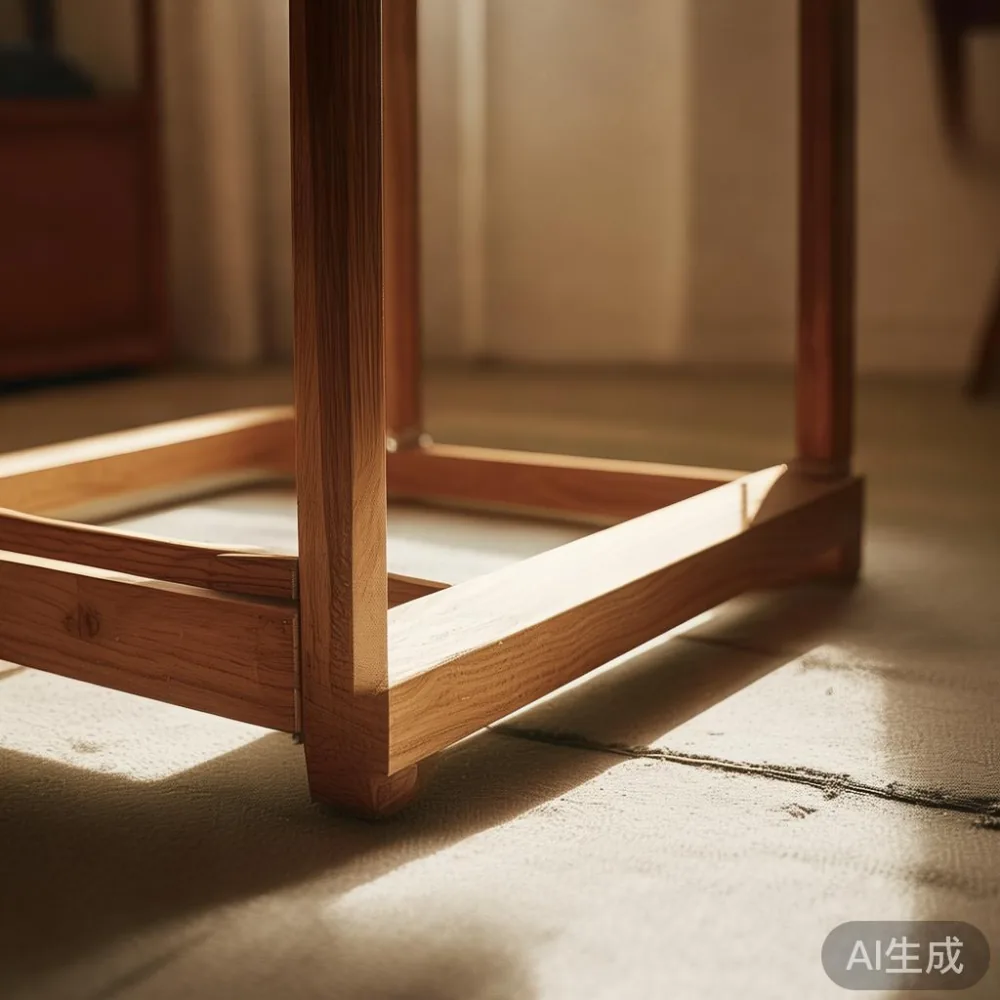
MIDHILL is a Foshan solid wood furniture maker established in 2008, with export experience across more than 15 countries. That background matters in a tropical region where furniture arrives through humid ports, travels in lifts and narrow corridors, and enters air-conditioned bedrooms with very different moisture levels. A 10-year structural warranty and lifetime refinishing policy provide useful support, but correct care still determines how quickly furniture responds to Singapore’s conditions.
Why does humidity change solid wood in Singapore?
Wood is hygroscopic: its moisture content rises when it absorbs water vapour and falls when it releases it. Relative humidity of roughly 40–60% is a useful indoor target for limiting visible movement. Singapore’s outdoor conditions often reach 75–90% relative humidity, particularly during the monsoon period, whereas a heavily air-conditioned room might fall to 35–45%.

Consider a 180 cm dining table made from solid timber. A rise from 55% to 80% relative humidity can make boards expand across the grain by several millimetres. Seasonal movement can also occur along the grain. Movement of 1–3 mm across a wide panel may be acceptable for a stable joint, while a larger split, lifted edge, or suddenly uneven top deserves investigation. Dimensions should always be measured with a steel ruler, not judged by sight alone.
The furniture should be acclimatised before it is treated as finished furniture. Keep it away from an air-conditioning vent, dehumidifier, bathroom door, window, or hot balcony for at least 72 hours. Place it in the intended room and leave it there for 5–7 days if possible. Avoid standing a solid wood dining table directly beside a north-facing window where condensation may form.
Humidity does not usually create literal missing parts in solid timber. Missing legs, screws, dowels, or braces more often point to packing or assembly issues. Still, distorted boards, swollen rails, and weakened joints can complicate assembly and cause hardware to fit improperly. Moisture control and careful unpacking should therefore be treated as one inspection process.
How does air-conditioning affect a solid wood sofa, bed frame, and wardrobe?
Singapore’s indoor environment can swing sharply over several hours. At 7 a.m., a bedroom may register 29°C and 75% relative humidity. At 2 p.m., the same room might be 23°C and 48%. That 27-percentage-point humidity swing is more significant than a gradual change across an entire day.
A solid wood bed frame should not be placed within 30 cm of a blowing vent, and ideally it should sit 60–90 cm away. The same 60–90 cm buffer is sensible for a solid wood sofa or wardrobe. Continuous airflow can dry one edge faster than the opposite side, encouraging checking along lacquered surfaces. A temperature of 22–26°C and relative humidity near 50% offers more stable indoor conditions.
The particle-board interiors commonly used in some wardrobe boxes can be especially vulnerable to edge swelling. Inspect an incoming wardrobe over about 10 minutes: run a dry finger along the top and vertical edges, look for a rough perimeter, and press gently around any panel that appears soft. A closet containing 40 kg of clothing should also be ventilated for 30–45 minutes after unpacking.
Leather cushions require a different approach from timber. Keep a solid wood sofa at least 40 cm away from an open bathroom and wipe moisture from fabric within 10 minutes. Use a soft cloth rather than saturating the upholstery. For a pet-friendly home, washable seat covers can prevent a 10 kg dog from repeatedly transferring moisture to the frame.
Design searches often include is Japanese sofa worth it or how to choose Japandi sofa. Those questions are relevant, but frame construction deserves attention before visual style. Look for solid wood supports rather than untreated panels hidden beneath fabric. For a 220 cm three-seat model, confirm that at least 6 points of contact or properly engineered suspension keep the frame stable.
What should I check when furniture reaches a Tampines or Punggol home?
Singapore lifts and corridors make unpacking a practical issue. A carton may fit through a 90 cm lift door but not turn inside a compact HDB lobby. Measure the carton before forcing it through the common corridor. Check whether the access route offers 90 cm of clearance at doors, 82 cm at lift thresholds, and enough landing space for a 1.2 m turning radius.
I tested this process last month during a delivery visit to a Bedok HDB flat. The customer’s bed frame carton measured 196 × 42 × 18 cm. It entered the 86 cm lift and turned through a corridor with several tight corners. We opened the carton beside the lift, checked all 14 labelled components against the assembly sheet, and photographed the packaging before taking it upstairs. One wooden rail arrived with an missing parts issue: two cam bolts were absent from the under-seat hardware bag. The photos made the claim traceable, and replacements were dispatched before assembly.
Use the following sequence for every delivery:
1. Photograph the outer carton before opening it, including the shipping label and 4 corners.
2. Photograph all labels, foam panels, and protective wrapping. Do not cut a leg brace if the carton can support the furniture’s 75–120 kg estimated weight.
3. Match every part against the list. A typical bed frame might contain 18–26 components, plus 8–12 fasteners and 4–6 dowels.
4. Check the solid wood bed frame, solid wood sofa, or dining table for stains, splits, bowed edges, or finish transfer.
5. Assemble within 7 days where practical, retaining hardware and packaging for 14 days during the return period.
MIDHILL’s 14-day returns policy gives customers time to inspect a piece, but assembly should not be forced. If a joint resists, stop and contact the supplier. Before delivery, families may also consider a 20-minute cleaning surcharge, protect floors with 2 mm felt pads, and reserve SGD 60–120 for extra labour if the lift booking and carrying distance are complicated.
Can humidity cause missing parts after a wardrobe or bed frame is assembled?
True physical loss can happen after assembly, but most incidents begin with the hardware environment. Wood screws may loosen when a rail expands; metal inserts can corrode if the room stays at more than 75% relative humidity for many months. A humid sea breeze in a Punggol balcony apartment can accelerate corrosion if furniture is stored there before the room is ready.
Inspect joints every 3 months during the first year. Use a 2 mm hex key or the specified tool, and tighten only to the maker’s instructions. Excessive force can crush the timber more easily than it can solve a loose joint. A small 1–2 mm movement in a long bed rail can be normal; rocking of more than 3 mm under 20 kg should be recorded and evaluated.
For a wardrobe, inspect hinges, drawer slides, hanging rails, and anchor points every 6 months. Two adults should tilt a 120 kg wardrobe safely, never by pulling on a 25 mm decorative rail. Secure a tall wardrobe to a suitable wall fixing according to its instructions, especially in homes with frequent foot traffic or children.
Style terminology such as best Modern wardrobe for 2026 is useful only after dimensions and climate performance are checked. Confirm the available depth, perhaps 55–60 cm, and allow 5 cm behind the unit for airflow when space permits. For 3 m of hanging space, a 180 cm two-door configuration may accommodate about 60 shirts or 35 coats, depending on garment length.
How should I control humidity around a marble table and dining set?
Marble itself does not expand and contract in the same way as solid wood, but the furniture carrying it does. A 220 × 100 cm marble table may weigh 95–150 kg, so its base must remain level while the wooden frame responds to seasonal humidity. Lift capacity and floor protection are as important as moisture management.
Check the floor for at least 3 days before delivery. A concrete slab can appear flat but retain a slope of 2–3 mm over 2 m. Use a 1.5 m spirit level, then shim the cabinet at the maker’s approved points rather than placing loose cardboard beneath a leg. Keep the marble surface 50 cm from an open window and 80 cm from strong air-conditioning airflow.
A dining table should have centre supports spaced roughly 60–90 cm apart, depending on span and construction. Wipe standing water from both timber and marble within 5 minutes. Neutral stone cleaner helps prevent residue, while acidic cleaners can dull some sealers. If customers search for a European light luxury sofa, they may compare upholstery, joinery, and finish quality; in a tropical home, fabric breathability and stable timber frames should remain measurable priorities.
For bedroom styling, the phrase how to style French sofa in bedroom fits compact Singapore rooms when the sofa is compact, visually light, and not pushed against a cold wall. An 180 cm French-style sofa with pale oak legs can complement a 3 × 4 m bedroom, but maintain a 60 cm walking gap where practical. Avoid the claim implied by best Modern sofa for 2026 without testing seat density, frame stability, fabric composition, and local humidity performance.
What happens when solid wood furniture is delivered from Foshan?
Long-distance shipping introduces more than design. Dense solid wood furniture can move between a cooler container or dry warehouse and Singapore’s humid receiving environment. Quality packaging, stable cartons, clear labels, and proper acclimatisation reduce surprises. Buyers should request assembly diagrams before dispatch and verify dimensions against the building’s access route.
Singapore customers should treat GST as part of the quoted purchase cost unless the seller states otherwise. For example, a dining table displayed at SGD 1,680 would add SGD 134.40 GST if applicable, giving SGD 1,814.40. Delivering a 120 kg bed frame is also more difficult than delivering a 12 kg nightstand. Confirm whether the price includes lift booking, carrying, and assembly over SGD 350, since MIDHILL offers free shipping over that threshold; heavier items may still require specialist handling.
Before signing off, compare the delivered furniture with the order. Look at the underside, back panels, drawer runners, and concealed fixings, not just the visible front. If components are missing parts, send photographs of the complete packaging, labels, hardware bag, and assembly sheet within 7 days. Never discard packaging until the return window has passed.
How do I maintain furniture through Singapore’s 12-month humidity cycle?
A simple routine is more dependable than occasional heavy treatment. Aim for indoor relative humidity between 45–60%. Use a calibrated hygrometer with an accuracy of ±2–3%, and record readings once each morning and evening for 2 weeks. That creates a useful household baseline before moving the same meter beside a nightstand or wardrobe.
For timber, dust with a soft cloth and use a lightly damp cloth only when needed; never soak joints. Re-oil an unfinished dining table only according to the furniture maker’s schedule, often every 6–12 months. Test any product on a hidden 10 × 10 cm area for 24 hours. Lacquered and French light luxury pieces may require a different maintenance method than raw solid wood.
Keep at least 5 cm of space behind a wardrobe and 10 cm beneath an refined nightstand where design allows. Place dehumidifiers only in persistently damp rooms, not directly beside wood. A 12–20 L unit can manage a contained bedroom, but actual capacity depends on temperature and room size. Empty and dry the tank every 2–3 days because stagnant water introduces odour and microbial risk.
Post-modern light luxury often combines clean geometry with pale upholstery, natural grain, and carefully proportioned spacing. Those qualities can suit a condo without overwhelming it. Measure furniture before purchase, allow access routes to work, and select pieces with stable joinery. MIDHILL’s 10-year structural warranty and lifetime refinishing offer long-term service, while proper humidity management protects the appearance and performance customers see each day.
Which customer question should guide every solid wood purchase?
The most useful customer question is: Will this piece remain stable and complete after 12 months of changing humidity in my home?
A measured answer should include the solid wood species, frame components, finish, joinery, expected weight, hardware list, assembly requirements, warranty, and after-sales process. Ask how the supplier handles missing parts, damaged cartons, returns, and replacement fixings. For a solid wood sofa, test the frame; for a bed frame, inspect joints and hardware; for a dining table, check top stability; for a wardrobe, verify wall anchoring; for a nightstand, confirm drawer travel; and for a marble table, check the support frame and floor contact.
In Southeast Asia, humidity is not a remote concept. It is the 80% afternoon reading, the 24°C bedroom, the balcony door left open overnight, and the air conditioner aimed across timber every evening. Choose carefully, measure twice, unpack slowly, photograph the delivery, and give components time to acclimatise. That discipline helps prevent missing hardware, distorted boards, loose joints, and avoidable returns while allowing solid wood furniture to age with grace.