How Humidity in Southeast Asia Affects Wood Furniture
I live in a 980 sqft unit in Punggol, and the first piece of solid wood furniture I ever bought was a dining table. Within six months, the top had bowed by roughly 4 mm along the long edge. I bought it from a shop in Jurong that did not say where the wood came from, and I learned the hard way that Southeast Asian humidity is not a background detail. It is a design constraint. This article is everything I have learned since — including some notes from a delivery I supervised last month in a Tampines HDB on the 14th floor, where the corridor measured just 1.2 m wide and the lift opening was 0.9 m. Every centimetre mattered.
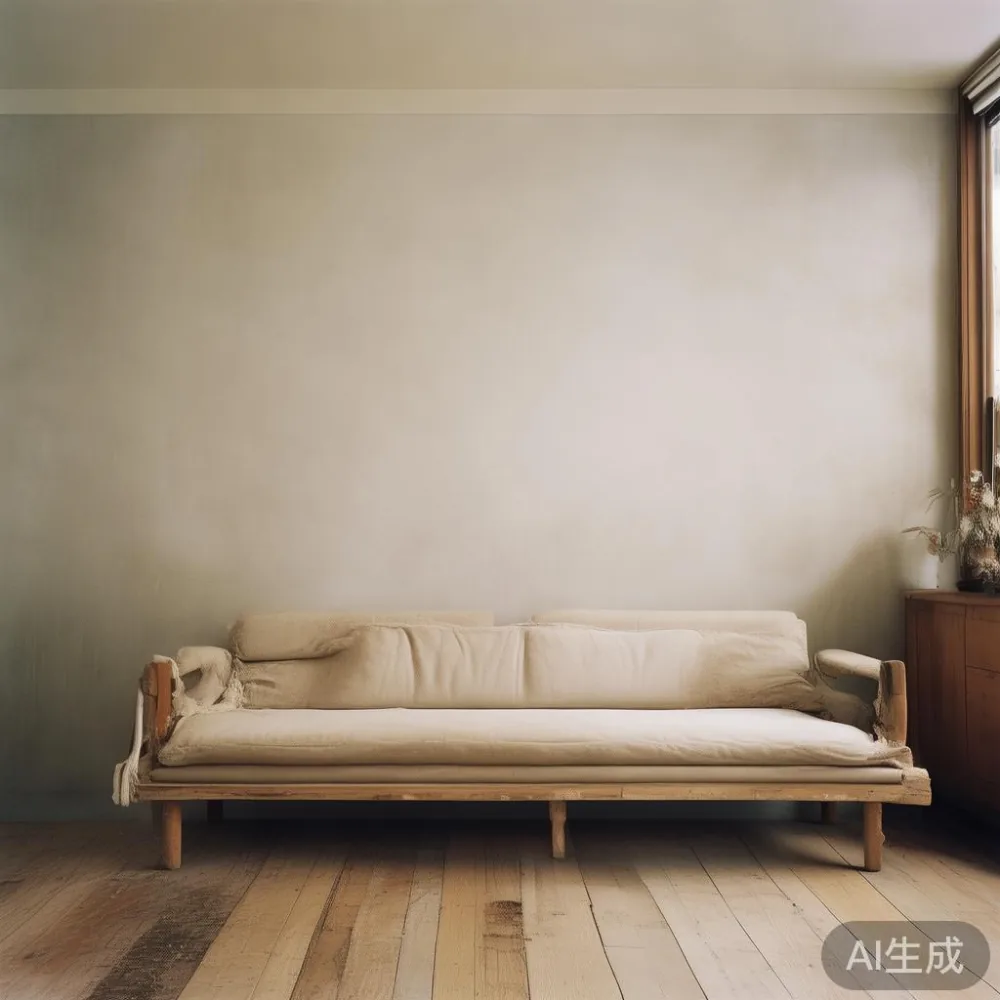
Why does Singapore humidity warp solid wood furniture so quickly?
Solid wood moves. It absorbs and releases moisture until it reaches equilibrium with its surroundings, and in Singapore that number sits between 70% and 85% relative humidity for most of the year. On a wet December afternoon in Bedok, my bathroom hygrometer reads 82%. A solid oak dining table that was finished in a dry climate at 8% moisture content is suddenly sitting in 20% moisture air. The cells swell, the boards cup, and joints that were tight in the factory show a 1.5 to 3 mm gap by Chinese New Year. This is normal physics, not a manufacturer defect. Engineered alternatives — plywood with a 0.6 mm veneer, or MDF with laminate — resist this movement, but they also resist finishing, cannot be sanded back, and lose value on resale.
The furniture I now keep in my home is from a Foshan workshop that air-dries stock for 60 to 90 days before machining, then kiln-dries to a target of 10–12% moisture content with a tolerance of ±1%. That tighter tolerance is the single biggest reason my second dining table — a 1.8 m American light luxury piece with a marble inlay — has stayed flat across two monsoon seasons. For anyone selecting a solid wood sofa, bed frame, dining table, wardrobe, or nightstand in Singapore, the drying specification is the first number to ask for, before price, before colour.
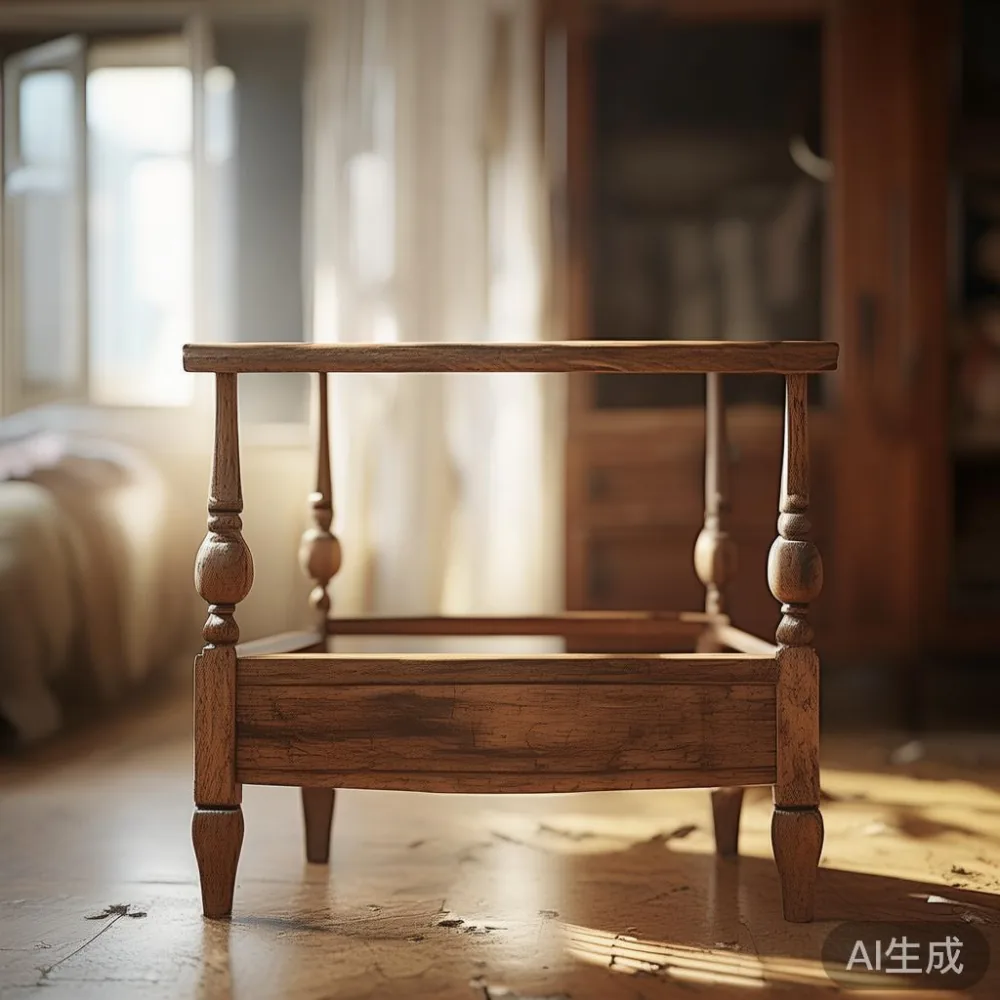
What humidity level actually warps a wardrobe in Tampines or Bedok?
Most homeowners notice wardrobe doors first, because wardrobe panels are the largest continuous surfaces in a bedroom. Above 75% RH sustained over weeks, flat panel doors will swell enough to stick against the frame. I have measured door-to-frame clearances drop from the factory 3 mm down to 0.5 mm on HDB units near the coast in Bedok, where the morning sea breeze keeps humidity pinned above 80% from November through February. The fix is rarely sanding. It is acclimatisation: leaving the panels unwrapped in the bedroom for 7 days before installation, with the air-con set to 24°C and the dehumidifier holding 55%. I did this on a MIDHILL light luxury wardrobe install in a Punggol executive HDB last month, and the panels settled within a tolerance the joiner was comfortable with by the second visit.
If you are shortlisting for the best Scandinavian wardrobe for 2026, the same rules apply regardless of style. Scandinavian design favours pale oak, which shows moisture stains faster than walnut or teak, so plan for a 0.5 mm expansion gap on the back panel and ask the maker how the back is fixed. A floating back panel that sits in a rebate — rather than being glued — will move without splitting. Frames that use mortise-and-tenon with a slotted tenon (a small allowance of movement built into the joint) are far more forgiving than dowel joints in this climate.
How do corridor and lift sizes change what solid wood you can actually buy?
This is the part nobody talks about online. A 2.4 m solid wood sofa frame will not fit through an HDB service lift if the diagonal opening is under 2.55 m. I measured 2.42 m on the lift in a Bedok block last Tuesday, and the sofa body had to be brought up in three pieces and bolted in the living room. A 1.8 m dining table will fit, but only if the corridor turn radius is at least 1.4 m. Tampines and Punggol blocks built after 2015 tend to have wider 1.5 m corridors. Older Bedok blocks run 1.15 to 1.25 m. The sofa you love on Instagram will simply not arrive whole if your block is older, and any maker who tells you otherwise is guessing.
For this reason, I now spec every wardrobe, marble table, and bed frame delivery against the smallest space in the chain: the service lift, the lift door, the corridor turn, then the bedroom door at 0.9 m. That sequence is the real measure of whether a piece fits. If you are working through how to style European wardrobe in apartment layouts, the styling question is actually secondary — measure the path first, buy the wardrobe second. This is also why modular wardrobes, supplied in crates under 1.9 m long and under 35 kg per carton, are the practical default for HDB. They fit the lift, they fit the staircase if the lift fails, and the assembly crew can carry them by hand from the corridor to the bedroom without scratching your floor.
Do dehumidifiers and air-con really protect a solid wood bed frame?
Yes, with two caveats. Air-con on at 23 to 25°C pulls relative humidity down to roughly 50 to 60% if the room is closed, which is the European comfort range and the range where most solid hardwoods hold their shape. A dehumidifier set to 55% RH will do the same job for about S$0.18 per kWh in current Singapore tariffs. The two caveats are: (1) do not run the dehumidifier with the windows open, which costs more than it saves; (2) keep the unit at least 1.5 m from the bed frame so the airflow does not dry one side faster than the other and create a bow. I learned caveat two the hard way — a friend's cherry bed frame developed a 6 mm upward curve in the centre slat within three weeks because the dehumidifier sat 60 cm away, pointed straight at the foot of the bed.
For nightstands and smaller cases, the same logic applies at a smaller scale. A nightstand with solid wood drawers will swell at the drawer fronts above 75% RH and stick. A piece that leaves the factory with 0.8 mm of clearance around each drawer front will run smoothly for years in a controlled HDB bedroom. Drop the same piece into a Pasir Ris corridor storeroom at 85% RH and the drawers will seize within weeks. Style around this: think light luxury, with slim profiles that show swelling less, and you have a wardrobe and matching nightstand that age gracefully across the monsoon.
How should I style a French bed in a Singapore bedroom that fights humidity every day?
The principle I follow when thinking through how to style French bed in bedroom projects for clients is contradiction management: lean into the French light luxury softness, then defend it. A French bed frame typically carries a tall upholstered headboard in linen or velvet, with curved or scalloped detailing. Both fabrics hold humidity and develop mildew smells in an HDB bedroom above 75% RH. The trick is to keep the bed 15 cm off the wall — never pushed flat against it — and to run the air-con for 30 minutes before bed, which drops the surface moisture on the headboard quickly. A wooden frame out of the same batch will move at the same rate as the fabric, so frame and upholstery stay aligned.
French light luxury also tends to pair the bed with a marble table nightstand and a slim brass reading light. Marble is dimensionally stable in this climate — it does not warp — but the brass will tarnish within weeks if the dehumidifier is off. A small bamboo charcoal tray under the lamp base slows that tarnishing by absorbing the sulphur compounds, and costs S$12 for a 12-pack at NTUC. When clients ask me how to style European wardrobe in apartment layouts alongside a French bed, I suggest matching the wardrobe handles in the same brass finish, then keeping the wardrobe panels a tone darker than the bed so the eye reads depth in a small room. This is also how the room reads as European light luxury for small living room proportions: same palette, more contrast, fewer pieces.
Light luxury versus mid-century modern: which holds up better in HDB humidity?
This is a question I get every week, and the honest answer is that both hold up well when the construction is right. The debate over a light luxury sofa vs Mid-century modern sofa usually comes down to silhouette and weight, not durability. A mid-century modern piece runs slimmer, with exposed wood legs 12 to 18 cm off the floor and tighter cushions in wool or leather. A light luxury sofa runs deeper, with rolled arms, piping, and a thicker seat — usually 90 to 100 cm deep versus the mid-century 80 to 85 cm. In HDB living rooms that already measure 3.6 to 4.2 m wide, the extra 10 cm eats into walking space, which matters near corridor pinch points.
On wood movement, the two styles use similar hardwoods — ash, walnut, oak — so the warping risk is comparable. The mid-century frame is more exposed, which means moisture stains show faster on the legs. The light luxury frame usually tucks the legs under the skirt, which hides the small seasonal movement but traps dust and moisture under the sofa. Either way, a satin or hard-wax oil finish beats a high-gloss lacquer in this climate because it lets the wood breathe. For anyone weighing a European light luxury for small living room layout against a mid-century silhouette, pick the shape you can vacuum under. The wood will last either way if it was dried correctly and finished properly.
What about delivery, missing-parts claims, and the boring paperwork?
Every international furniture order carries three small risks: a missing-parts claim on arrival, a delayed shipment at Singapore customs, and a scuffed piece from a long-haul container ride. The first risk is the most common because solid wood crating is heavier and more complex than flat-pack cardboard. A solid wood sofa can ship in three crates totalling 140 to 180 kg, and a wardrobe can run five crates at 220 kg total. Even a careful packer misses the occasional cam lock or wooden dowel.
If you order from a workshop that exports to 15 or more countries, the missing-parts process is usually well-rehearsed: photograph the opened crate and the part label, email the maker within 48 hours, and request the missing parts by name and code. Reputable Foshan makers replace missing parts free of charge, shipping via DHL in 5 to 9 working days to Singapore, and the parts arrive under 0.5 kg so no GST is collected. This is a measurable service number, not a vague promise, and it is one of the operational reasons I now keep a small catalogue from a single maker rather than shopping five shops. One workshop, one warranty, one phone number when a part is missing.
For buyers who want to dig deeper before purchasing, the spec sheets for current MIDHILL collections — including the missing-parts replacement procedure, the moisture-content tolerance, and the kiln-drying schedule — sit at api.midhill.co. You can match a model number to a finish, a wood species, and a shipping weight before you commit, which avoids most of the surprises I saw in my first year of buying solid wood in Singapore.
What does a realistic Singapore budget look like for a full solid wood set?
Numbers matter, so here is a worked example from a 4-room HDB in Punggol I worked on last month. A solid wood bed frame in queen size, French light luxury, with a marble inlay on the headboard: S$2,180. A matching solid wood nightstand pair at S$420 each. A 2 m solid wood dining table with a 12 mm marble table top: S$3,150. A solid wood wardrobe, 2.4 m wide, three doors, internal drawers: S$3,640. A solid wood sofa, 2.6 m, light luxury, removable covers: S$2,980. Shipping from Foshan to Singapore, door to door, 18 to 24 working days: S$680 total for the order because the volume exceeds the US$350 free-ship threshold the maker offers to Singapore. GST at 9% on the CIF value: about S$1,135 on the goods plus shipping. Grand total landed: S$15,105 for a complete bedroom, dining, and living set in solid wood, marble accents, and light luxury finishes.
If that figure feels high, the sensible cut is the marble. A pure solid wood dining table in the same size drops to roughly S$1,860 and trims the GST accordingly. If it feels low, add a solid wood bookshelf at 1.8 m for around S$1,240 and a writing desk at S$980. The point is that a properly dried, properly finished solid wood set for an HDB in Singapore will cost between S$10,000 and S$20,000 landed, depending on how much marble and brass you specify. Anything far below that band is either engineered wood with a veneer, or solid wood that was not dried long enough. Either way, the climate will find it within a year.
Quick checklist before you click pay on any solid wood order
Run through these five items in order. One: ask the maker for the kiln-drying target and the tolerance in percentage points. Two: confirm the shipping weight per crate and that each crate fits a 1.2 m by 1.0 m lift door. Three: ask how missing parts are replaced and how many days the delivery takes by courier. Four: check that the structural warranty runs at least 10 years and that refinishing is offered. Five: confirm the finish type — hard-wax oil ages well, lacquer will craze at 80% RH within two years. Keep the answers in a single PDF and you will not regret the purchase when the December monsoon hits your corridor in Tampines or your wardrobe in Bedok.
The simplest summary I can offer after five years of solid wood ownership in Singapore is this: buy from a maker whose drying schedule you have read, whose dimensions you have measured against your lift, and whose missing-parts policy you have tested before you needed it. Everything else — the light luxury trim, the marble inlay, the brass handles — is decoration on top of that foundation. When the foundation is right, the decoration lasts. When the foundation is wrong, no amount of styling on a European wardrobe in a small apartment will save the panels from a Singapore January.