Veneer vs Solid Wood: The 5-Year Cost for Singapore Furniture
Choosing between veneer and solid wood is less about the price on the invoice than about what happens in year three. Veneer can be an economical, stable choice for many Singapore apartments, while solid wood may suit owners who want deeper repairability and long-term material character. The honest comparison depends on purchase price, annual care, replacement cycles, delivery access, and the likelihood of missing parts becoming an issue.

I understand the concern from a practical angle. Last month, I visited a friend in a new Tampines HDB flat and watched a 180 cm solid wood dining table arrive through a 90 cm common corridor and a lift measuring 110 cm by 140 cm. The outer carton measured 196 cm by 102 cm by 88 cm, so one carton end had to be turned upright at the service lobby. A replacement drawer front for the accompanying solid wood nightstand took 9 days to arrive; the original catalogue promised replacement parts within 10 days. That experience made missing parts both a service question and a measurement question.
This 5-year comparison uses prices in Singapore dollars and includes 9% GST. I treat furniture as a household-use asset with a five-year holding period, not as something automatically replaced when a style changes. The figures include ordinary wear, cleaning, small repairs, delivery to Singapore, and an estimated resale or residual value of 10% for veneer pieces and 20% for solid wood pieces. They do not assume that every home will receive identical care.
What is the real difference between veneer and solid wood?
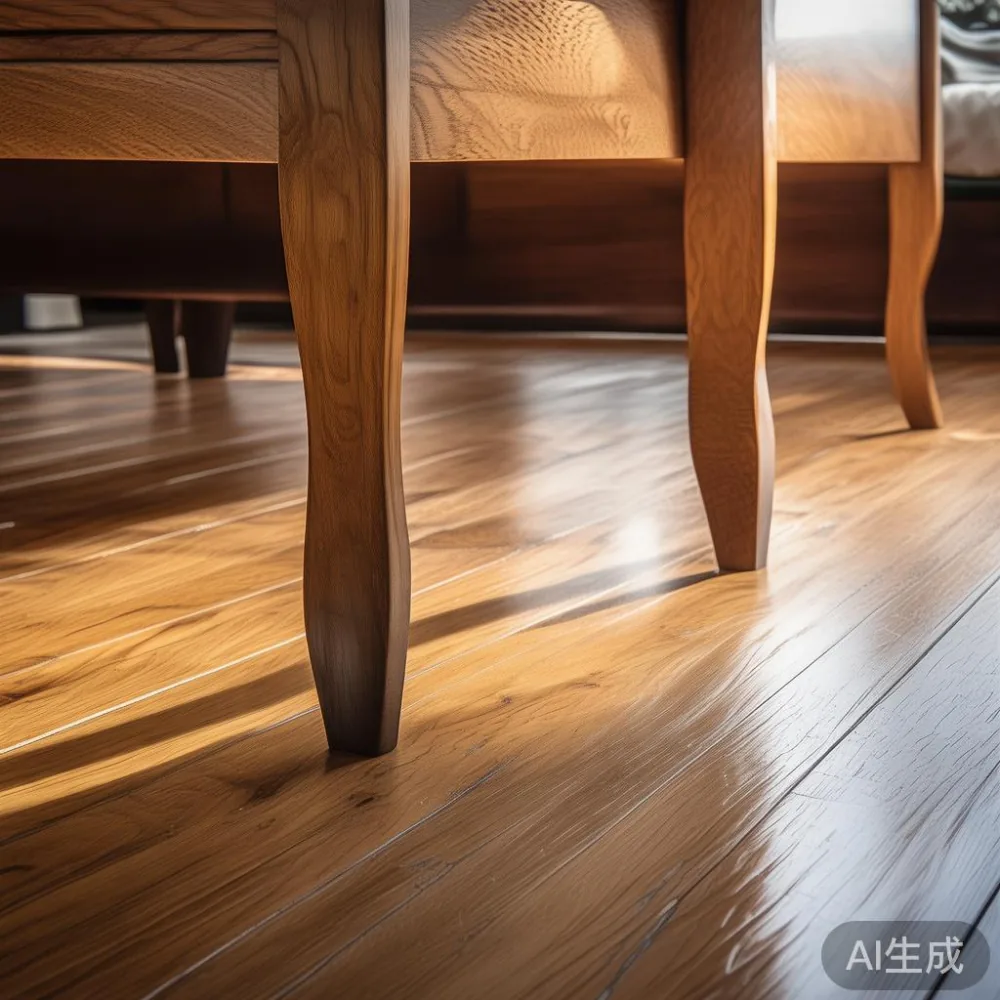
Veneer furniture uses a thin layer of timber, usually 0.6 mm to 1.2 mm, bonded to a manufactured panel such as MDF, plywood, or particleboard. A common 180 cm by 90 cm dining table might use a 25 mm to 30 mm panel with veneered faces. Solid wood furniture uses timber through the visible component, although frames may still include dowels, screws, backing panels, and other engineered parts.
The visible surface is only one part of cost. Veneer can offer convincing grain continuity at a lower purchase price and may tolerate humidity changes with less seasonal movement if its substrate is well made. Solid wood can show knots, slight colour variation, and movement of 2 mm to 5 mm across a wide board during Singapore’s wetter months. Neither material should be described as maintenance-free.
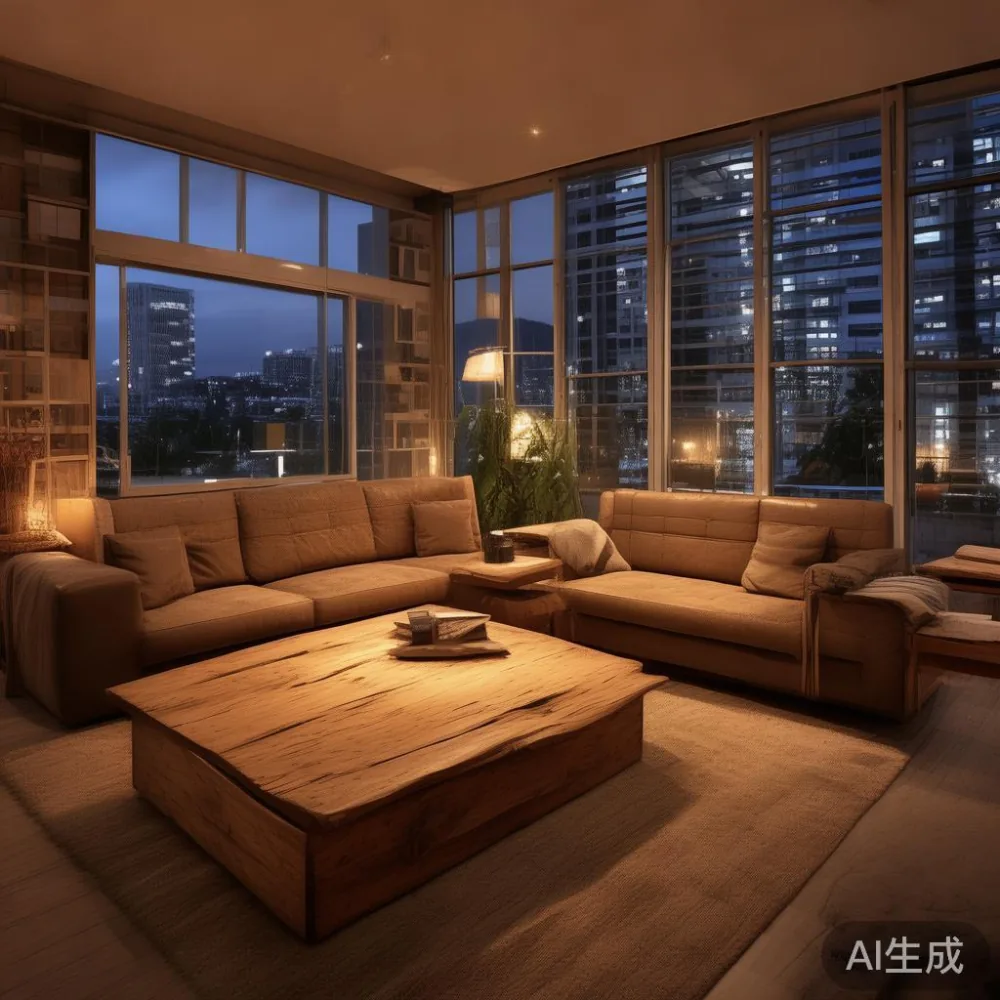
For Singapore HDB flats and condos in Bedok, Punggol, Tampines, and other mature districts, the fit issue is often more demanding than the material issue. A standard lift door may be only 80 cm to 90 cm wide, while a dining table top can be 180 cm to 220 cm long. A solid wood bed frame may weigh 55 kg to 110 kg, whereas a comparable veneered frame may weigh 35 kg to 75 kg. More than 2 people may be needed to carry a 45 kg solid wood wardrobe through a narrow corridor.
Material choice also affects replacement options. A veneered nightstand with a chipped corner may need a replacement top, while a solid wood nightstand can sometimes be patched, sanded, and refinished. However, a veneered panel can delaminate if moisture enters an exposed edge, and a solid wood surface can crack around a joint. The quality of construction, edge sealing, and moisture control matters as much as the label.
How much do veneer and solid wood furniture cost over 5 years?
Consider a matched set for a three-room HDB flat: one 180 cm dining table, one 150 cm solid wood sofa, one queen bed frame, one two-door wardrobe, and two nightstands. The comparison below uses realistic Singapore retail bands rather than promotional factory prices.
A mid-range veneer dining table generally falls around SGD 700 to SGD 1,100 after GST, while a solid wood dining table is about SGD 1,400 to SGD 2,400. A veneer sofa may cost SGD 1,200 to SGD 1,900, compared with SGD 2,500 to SGD 4,200 for a solid wood sofa. A queen veneer bed frame may be SGD 700 to SGD 1,200, while a solid wood bed frame may be SGD 1,500 to SGD 2,700. A two-door veneer wardrobe may be SGD 900 to SGD 1,500, against SGD 1,800 to SGD 3,200 in solid wood. A veneer nightstand may be SGD 180 to SGD 350, and a solid wood nightstand SGD 350 to SGD 650.
At the midpoint, this five-piece set costs about SGD 3,680 for veneer and SGD 8,350 for solid wood. That gap is substantial, but it narrows when the buyer considers maintenance and probable use.
For the veneer set, allow SGD 240 over five years for cleaning products, one minor repair, and a replacement drawer or panel. For solid wood, allow SGD 420 for oil or wax, sanding, and localized repairs. The solid wood set may also retain about SGD 600 more in residual value. The estimated five-year totals then become approximately SGD 3,920 for veneer and SGD 8,170 for solid wood. Solid wood remains more expensive in this scenario, but the difference is about SGD 4,250 rather than the initial SGD 4,670.
Another comparison is per year of use. If the household uses the dining table 3 evenings per week and the sofa most days, the five-piece set serves about 900 meal settings and 1,825 sofa-use days. The veneer cost works out to roughly SGD 3.12 per active day across the set. The solid wood figure is about SGD 6.49 per active day before any later resale proceeds. A buyer with two children, frequent guests, or pets may reasonably prefer solid wood despite the higher figure. A renter expecting a 24-month tenancy can place more weight on the lower upfront cost.
These ranges exclude structural failure and major water damage. Neither is an insurance policy. A kitchen leak can ruin either material, and placing a veneer dining table directly beside an open balcony door in Punggol raises risk because relative humidity can move between 55% and 85% indoors.
Which material lowers the risk of missing parts?
Both approaches can create missing parts, but the assembly design often matters more than the headline material. Flat-pack veneer products may use many small cam locks, dowels, screws, shelves, and back panels. A typical wardrobe can contain 40 to 70 fittings; a bed frame may have 20 to 35. Solid wood construction may use fewer fittings, but larger components and more complex joints still require careful transport.
The practical question for a buyer is not whether missing parts happen. The question is how quickly a replacement can be matched and installed. Keep the product name, colour, batch number, and photographs of the fitting. A 42 mm cam lock and a 40 mm cam lock may look similar but operate differently. For MIDHILL, the documented 10-year structural warranty and lifetime refinishing service provide a clearer route for qualifying solid wood components, while free delivery above US$350 applies to qualifying international orders. Singapore delivery terms should still be confirmed before purchase, including whether GST, stairs, and lift reservations are included.
For a HDB flat, inspect the route before ordering. Measure the lift door at 2 points, the lift interior at 3 points, the corridor turns, and the flat entrance. Add at least 5 cm of working clearance where a carton must pivot. A 200 cm long wardrobe may fit diagonally in a 140 cm by 110 cm lift if its depth is under 55 cm, yet a rigid carton may not rotate enough. Confirm whether the wardrobe can arrive flat-packed or whether it must be assembled in the room.
Replacement packaging can be larger or smaller than the original carton. A 46 cm solid wood bedside table top may arrive in a 58 cm by 52 cm box, which should still pass most lift doors. A bent 220 cm solid wood dining table top, however, may require a flat carton that cannot turn inside a 90 cm corridor. This is why missing parts support should include both component replacement and damage assessment.
Is a solid wood sofa or bed frame cheaper to own in Singapore?
A solid wood sofa usually has a timber frame, foam, fabric, springs or webbing, and removable cushions. Buyers often focus on the frame while overlooking the parts most likely to wear. Seat foam can lose firmness in 4 to 6 years, and fabric can fade after 3 to 5 years in rooms facing east or west windows. A solid wood bed frame may remain serviceable for 10 years or more, but its mattress may need replacement after roughly 5 years.
For the sofa, assume a mid-grade fabric replacement of SGD 550 in year four and SGD 180 in non-recurring repair costs across five years. The total maintenance allowance is then SGD 730. A comparable lower-cost veneer sofa may need SGD 350 for minor repairs and SGD 500 for a cushion or cover replacement, giving an SGD 850 allowance. Veneer does not automatically win simply because its initial price is lower.
For the bed frame, allow SGD 220 over five years for veneer and SGD 90 for solid wood, including one hinge, screw, or centre-support repair. A mattress is a separate purchase in both cases, usually SGD 600 to SGD 1,800 in Singapore for a queen model. Including a mid-range mattress, the buyer should compare complete-use costs rather than treating the frame as the whole bed.
Humidity can also affect moving parts. Solid wood expands and contracts as moisture changes, so a drawer may tighten after several rainy weeks. Veneer-faced panels can move less but can chip at an exposed edge. If the nightstand sits beside an air-conditioning unit with strong airflow, place a coaster under a glass or marble table and keep the unit’s ventilation space clear. The marble top is not solid timber, so spills should still be wiped promptly.
My friend’s solid wood nightstand developed a 2 mm drawer gap after 14 months. It was corrected with 2 felt glides and 20 minutes of adjustment rather than a full replacement. The same repair on a damaged veneered unit would have required a matching face panel, which took 11 days to source. That single event does not settle the material debate, but it illustrates where service quality can matter more than the core substrate.
How do light-luxury styles change the 5-year calculation?
Style affects replacement frequency because some designs depend more heavily on a specific wood tone or edge profile. French light luxury often uses pale oak, walnut accents, curved profiles, and upholstered surfaces. American light luxury tends toward broader proportions and mixed materials. Post-modern light luxury can combine timber, metal, stone, and strongly defined shapes.
For apartment owners working out how to style French provincial bed in apartment layouts, a solid wood bed frame with a restrained curved headboard can provide a coherent base without adding many loose objects. In a 90 sq m HDB flat, a queen frame measuring 160 cm by 210 cm leaves about 70 cm beside it if the bed is centred against a 300 cm wall. A 70 cm walkway may be practical, while a 60 cm route can feel tight when doors open.
The phrase European light luxury sofa vs Modern sofa usually describes shape and visual language rather than construction. A European-style solid wood sofa with a timber base may use a fixed frame and separate seat cushions. A Modern sofa may have a lower profile, concealed legs, and a compact silhouette. The latter can gain 12 cm to 18 cm of visible floor space, though its internal layout still determines comfort and repairability.
For product selection, comparisons such as Mid-century modern dining table design can make replacement parts harder to match if the original grain and finish are no longer available. Solid wood can usually be refinished, but colour matching still takes time. An American light luxury wardrobe with fluted glass or metal pulls may require replacement hardware from a specialist. When comparing how to choose Italian light luxury wardrobe for a condo, inspect the carcass, hinges, rails, back panel, and finish separately from decorative fronts.
Buyers searching for wholesale Modern light luxury furniture should ask for a parts inventory before discussing discount terms. A 6% spare-stock allowance is more useful than a 15% price reduction when a 12 mm hinge or 32 mm shelf pin is discontinued. Light-luxury positioning changes the emotional value of the piece, but the five-year cost still comes from hardware, finishes, labour, and access.
What does delivery, GST, and Singapore access add to the cost?
GST adds 9% to showroom and standard retail prices, while some imported collections use a different landed-cost structure. Delivery may add SGD 35 to SGD 90 for a local doorstep order, SGD 90 to SGD 180 for a scheduled two-person delivery, and SGD 180 to SGD 350 if the item needs carrying to an upper floor without a usable lift. A narrow corridor or extra unpacking can add SGD 30 to SGD 80.
For international purchases, the stated free shipping threshold of US$350 is useful, but it does not remove import taxes, customs handling, or local delivery charges in Singapore. Exchange rates can also change the landed price. A USD 600 order converts to roughly SGD 800 at an illustrative rate of SGD 1.33 per USD, before GST and other charges. Buyers should request an all-in Singapore quotation rather than calculating only from the overseas price.
Lead time is part of the ownership cost. Local stock may arrive in 3 to 7 delivery days after payment, while a made-to-order solid wood dining table may take 25 to 45 days. For a home renovation completed on a fixed date, a 50-day delay can create temporary storage costs of SGD 80 to SGD 200 and disrupt a 2-week renovation schedule.
Floor protection and assembly also matter. A solid wood wardrobe may need 2 to 3 hours to assemble and take another 20 minutes to level. A flat-packed veneer wardrobe may take 3 to 5 hours. If a professional carpenter charges SGD 80 per hour for assembly, that labour can erase part of the material saving after a second visit for missing parts. Obtain a labelled fittings bag, spare screws, and an assembly guide before the installer leaves.
How should Singapore buyers calculate the five-year value?
Start with a complete-use inventory rather than a material percentage. For each room, record the item dimensions, weight, delivery route, maintenance needs, likely repair date, and replacement frequency. Then use the ranges in this comparison rather than relying on one sales price.
For veneer, a practical worksheet should include the purchase price, 9% GST if not already shown, delivery, 5 years of care at roughly 4% to 6% of the selling price, and expected repair labour. Add the chance of one missing component by the third year, perhaps 12% to 25% depending on assembly complexity. Subtract an estimated residual value of around 10% only if the furniture is complete, clean, and still fits the next tenant’s needs.
For solid wood, include refinishing every 18 to 30 months for a frequently handled table or nightstand. A professional touch-up may cost SGD 80 to SGD 220, while a full refinishing service may cost SGD 25 to SGD 45 per square metre. Allow roughly SGD 400 to SGD 650 over five years depending on exposure. Subtract a conservative 20% residual value, but do not treat lifetime refinishing as a guaranteed future buyer premium.
The important pattern is that veneer offers the lower entry cost and fewer weight-related delivery problems. Solid wood offers a larger repairable surface and can retain more value, especially in a 2-door wardrobe, 180 cm dining table, and bed frame that are moved rather than discarded. A marble table can also bridge both categories because the visible top is marble while the base may be solid wood or veneer.
Choose veneer for a short tenancy, a light budget, and low-risk rooms with stable humidity. Choose solid wood for a home expected to remain in your family for 8 to 12 years, for pieces that will be moved between Tampines, Bedok, and Punggol units, or when repairability matters. Inspect the actual sample, read the warranty exclusions, and ask exactly how missing parts are replaced. A supplier established in 2008 and exporting to more than 15 countries has useful international experience, but the product-specific terms should still be checked.
Over five years, the veneer set in this comparison is about SGD 3,920, while the solid wood set is about SGD 8,170. That is the practical gap a Singapore buyer should plan for: roughly SGD 4,250 before considering different usage patterns, resale outcomes, or major damage. The lower figure buys flexibility; the higher figure buys more material, repair options, and long-term presence in the apartment. Measure the lift, compare like-for-like specifications, and price the service behind missing parts before choosing.