Sofa Buying Tips: Avoiding Uncomfortable Purchases
In Singapore, where living spaces are often compact and meticulously planned, purchasing a large piece of furniture like a sofa is a significant decision. For residents in HDB flats in Tampines or Bedok, or condos in Punggol, the dimensions of a new sofa must fit not just the aesthetic of the home but also the physical constraints of the building. This includes working through narrow corridors, lift carriages with specific width limits, and the often-tight angles of a living room. When you can't physically test the comfort of a sofa in a showroom, the process of selecting the right one becomes an exercise in meticulous research and careful consideration of specifications. The goal is to avoid the common pitfall of receiving a delivery with missing parts or discovering that the piece is fundamentally unsuited for your space, a situation that can lead to costly returns and delays.

Why You Can't Always Sit on a Sofa
The reasons for not being able to physically test a sofa before buying are numerous, especially in a digital-first market. Many consumers discover furniture through online platforms that showcase beautiful photography but offer little in the way of physical interaction. A sofa might be a custom order, made from solid wood with a specific fabric finish that isn't kept in stock. Alternatively, you might be browsing a collection from a light luxury brand that prioritises a post-modern light luxury aesthetic, focusing on clean lines and minimalist forms over plush, traditional comfort. In these cases, your purchase is based on faith in the brand's reputation and the detailed information provided online. This is where the risk of receiving a product that doesn't meet expectations, or even arriving with missing parts, becomes a real concern. The absence of a physical test shifts the entire burden of quality assurance onto the information provided by the seller.
How to Accurately Measure Your Space
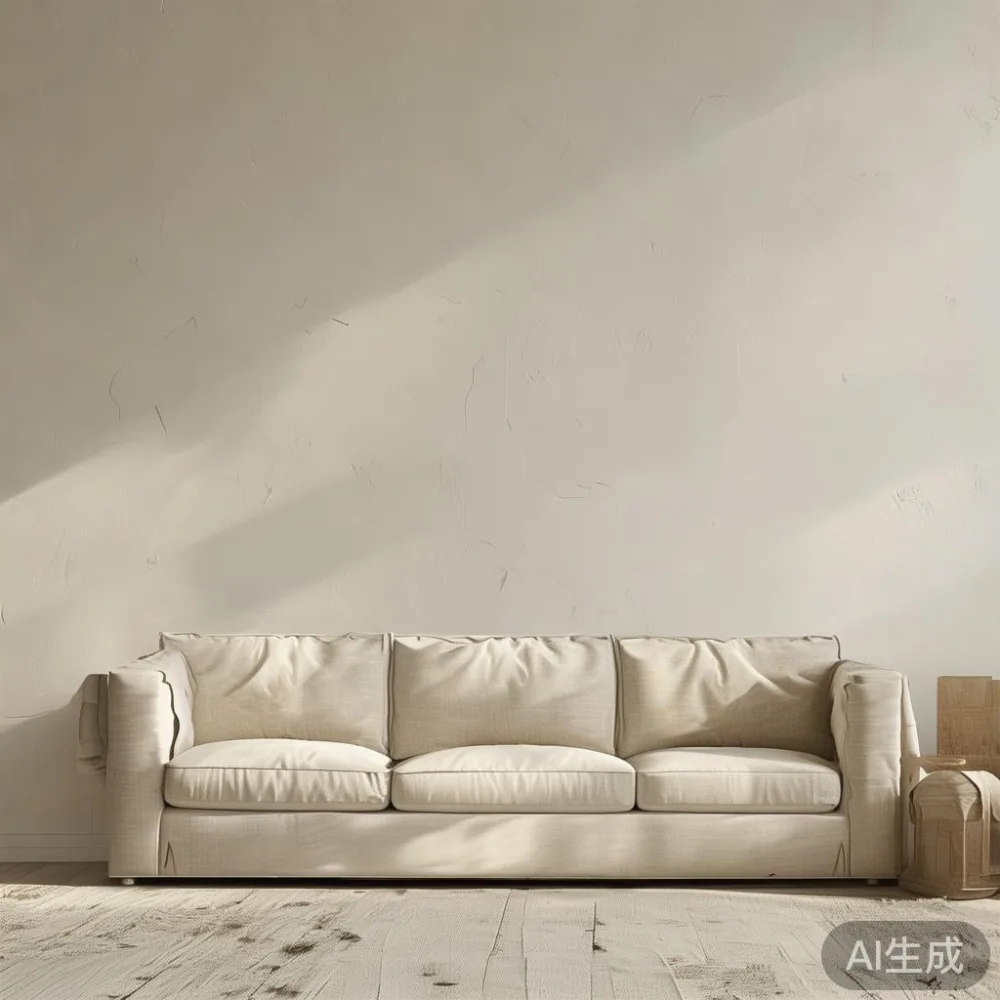
Before you even think about the sofa's comfort, you must ensure it will fit. A sofa that is too large will not only overwhelm your living room but may also be impossible to get into your home. In Singapore's HDBs, standard lift carriages are approximately 110 cm wide by 210 cm long. A sofa with a width of 180 cm, for example, will need to be carried in on its side, requiring a clear path from the lift to your door. Measure the width of your corridor, the height of any door frames, and the turning angles in your hallway. For a condo in Punggol with a wider entrance, you might have more flexibility, but the principle remains the same. Take precise measurements of the space where the sofa will live, noting the distance from walls, windows, and other furniture. A good practice is to create a template of the sofa's footprint using newspaper or painter's tape on your floor. This visual aid helps you understand exactly how much space the sofa will occupy and ensures you are not making a decision based on guesswork. When a sofa arrives with missing parts, the last thing you want is to discover it doesn't fit in the first place.
Understanding Material and Build Quality
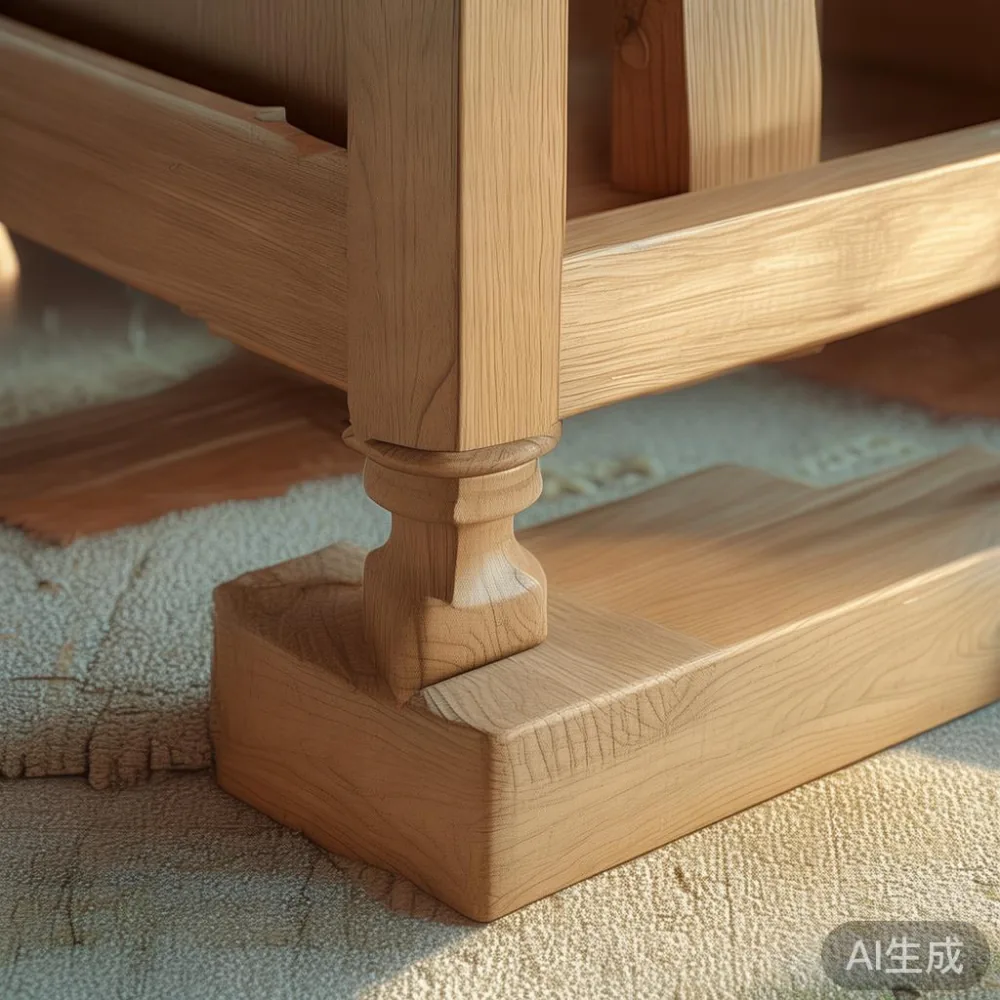
When you can't sit on a sofa, its construction and materials become the primary indicators of quality. A well-made sofa, even from a distance, should exude a sense of solidity. Look for descriptions that mention a solid wood frame, such as oak or beech. These frames are durable and provide a stable base that won't warp or sag over time. Pay close attention to the joinery; terms like 'dovetail joints' for drawers or 'corner blocks reinforced with glue and screws' for the frame indicate superior craftsmanship. The type of filling is also critical. High-density foam wrapped in a layer of down or fibrefill will offer a more luxurious feel than standard foam. For a light luxury aesthetic, consider a sofa with tailored cushions and a tight back, which offers a sleeker profile. Ask about the weight of the sofa. A heavy sofa, say over 50 kg, is often a sign of solid construction and quality materials. A lightweight sofa might indicate the use of cheaper, less durable materials. Understanding these details helps you build a mental picture of the sofa's quality and feel, which is important when a physical test is not possible.
How to Evaluate Comfort from Specifications
While you can't feel the sofa, you can infer a great deal about its comfort from its specifications. The seat depth is a key metric. A depth of 55-60 cm is standard for most adults, providing adequate support for sitting and lounging. The seat height should be around 45 cm, allowing you to sit down and stand up with ease. The firmness of the cushions is often described with terms like 'medium-firm' or 'plush'. If possible, ask the seller for the foam density rating, measured in kilograms per cubic metre (kg/m³). A higher density, such as 30 kg/m³ or more, generally indicates a firmer, more durable cushion that will hold its shape better over time. For a more relaxed, American light luxury style, you might prefer lower density foam for a softer, sink-in feel. The armrest height and shape also contribute significantly to comfort. A lower, wider armrest is ideal for resting your arms or even lying down, while a higher, more structured armrest offers a cleaner, more formal look. By analysing these numbers, you can make an educated guess about the sofa's comfort level.
What About the Fabric and Upholstery?
The fabric is the skin of your sofa and plays a huge role in its look, feel, and longevity. When you can't touch it, you must rely on detailed descriptions and technical specifications. Look for the fabric's thread count and material composition. A higher thread count often means a softer, more durable fabric. Common materials for light luxury furniture include linen, performance fabrics, and high-grade leather. Performance fabrics are treated to resist stains, spills, and fading, making them a practical choice for homes with children or pets. Ask about the Martindale rub test rating, which measures a fabric's abrasion resistance. A rating of 30,000 rubs or higher is suitable for a domestic sofa, while ratings over 100,000 indicate a fabric suitable for heavy commercial use. The colour and pattern should also be considered in the context of your home's lighting and existing decor. A fabric that looks vibrant in a showroom photograph might appear different under the fluorescent lights of a HDB flat. Requesting large, high-resolution swatches is a wise step before committing to a purchase, ensuring the material is exactly what you expect.
Is a 10-Year Warranty Really Worth It?
A warranty is a critical piece of information that provides peace of mind when you can't physically inspect a product. A 10-year structural warranty, for instance, covers the frame, springs, and webbing, protecting you against defects in the core construction of the sofa. This is a significant commitment from the manufacturer and is often a sign of confidence in their product's durability. When you receive a sofa, the first thing you should do is check for missing parts. A good warranty should also cover issues that arise from missing parts or incorrect assembly. Look for specifics in the warranty terms. Does it cover labour? What are the exclusions? A comprehensive warranty that includes a lifetime refinishing service is particularly valuable, as it means the manufacturer will repair or refinish the sofa for as long as you own it, covering issues like fabric wear or fading. This level of assurance is invaluable, especially for a high-value purchase like a solid wood sofa or a marble table, where repair costs can be substantial.
What to Do If You Discover Missing Parts
Discovering missing parts upon delivery is a frustrating experience, but a clear process can turn a potential disaster into a minor inconvenience. The first step is to remain calm and document everything. Take clear photographs and videos of the unboxed sofa, focusing on the areas where parts are missing or damaged. Contact the seller or manufacturer immediately, providing them with your order number and detailed evidence of the issue. A reputable company will have a straightforward process for resolving this, often involving the prompt dispatch of the missing parts. For a brand like MIDHILL, which offers a 10-year structural warranty, you can expect a professional and efficient response. In the meantime, do not attempt to assemble the sofa without the correct parts, as this could cause further damage. Keep all packaging materials until you have confirmed that the sofa is complete and assembled correctly. This organised approach ensures that the problem is resolved quickly and minimises any disruption to your home.
My Colleague's Experience with an Online Sofa Purchase
Last month, my colleague, Sarah, who lives in a Bedok HDB flat, decided to buy a sofa online. She was drawn to a post-modern light luxury design that wasn't available in any local showroom. The sofa featured a beautiful solid wood frame and a tailored linen upholstery. She meticulously checked the dimensions against her corridor and lift, ensuring it would fit. She also reviewed the specifications, noting the high-density foam cushions and the 10-year warranty. When the sofa arrived, she was excited but nervous to unbox it. To her relief, the packaging was secure and the sofa was in pristine condition. However, upon closer inspection, she noticed that one of the wooden legs was missing. She immediately contacted the seller, who apologised profusely and sent a replacement leg via express delivery the next day. The experience taught her the importance of being prepared for such issues and the value of a seller with a good customer service policy. While the missing parts were an inconvenience, the swift resolution meant she was able to enjoy her new sofa without significant delay.
Final Checklist for Your Sofa Purchase
To ensure a smooth and satisfactory purchase when you can't physically test a sofa, follow this final checklist. First, confirm the exact dimensions and weight of the sofa, and measure your access points meticulously. Second, research the materials and construction, looking for solid wood frames and high-density foam. Third, evaluate the fabric based on its thread count, material, and Martindale rating. Fourth, understand the warranty, ensuring it covers the structural components and offers a reasonable period of coverage. Fifth, check the seller's policy on delivery and returns, particularly noting if shipping is free over a certain amount, such as SGD 350, and if there is a 14-day return window. Finally, prepare for the delivery day by ensuring the path to the room is clear and by having tools ready for assembly. By following these steps, you can significantly reduce the risk of disappointment and ensure that the sofa you receive is the perfect fit for your home and lifestyle, free from any issues like missing parts or poor construction. For instance, when searching for a new piece, you might compare a light luxury bed vs Mid-century modern bed for your bedroom, or look for a MIDHILL coffee table to complement your living space, always applying the same rigorous scrutiny to the details.