How Southeast Asian Humidity Changes Solid Wood Furniture—and How to Prevent Missing Parts
Humidity is rarely visible in a Tampines HDB flat, yet it can affect every solid wood dining table, bed frame, wardrobe, and nightstand. Warm air enters through windows, stays near the floor after rain, and lingers in compact corridors and lift lobbies. Singapore’s outdoor conditions can also influence indoor air, especially in Bedok and Punggol homes without strong cross-ventilation.
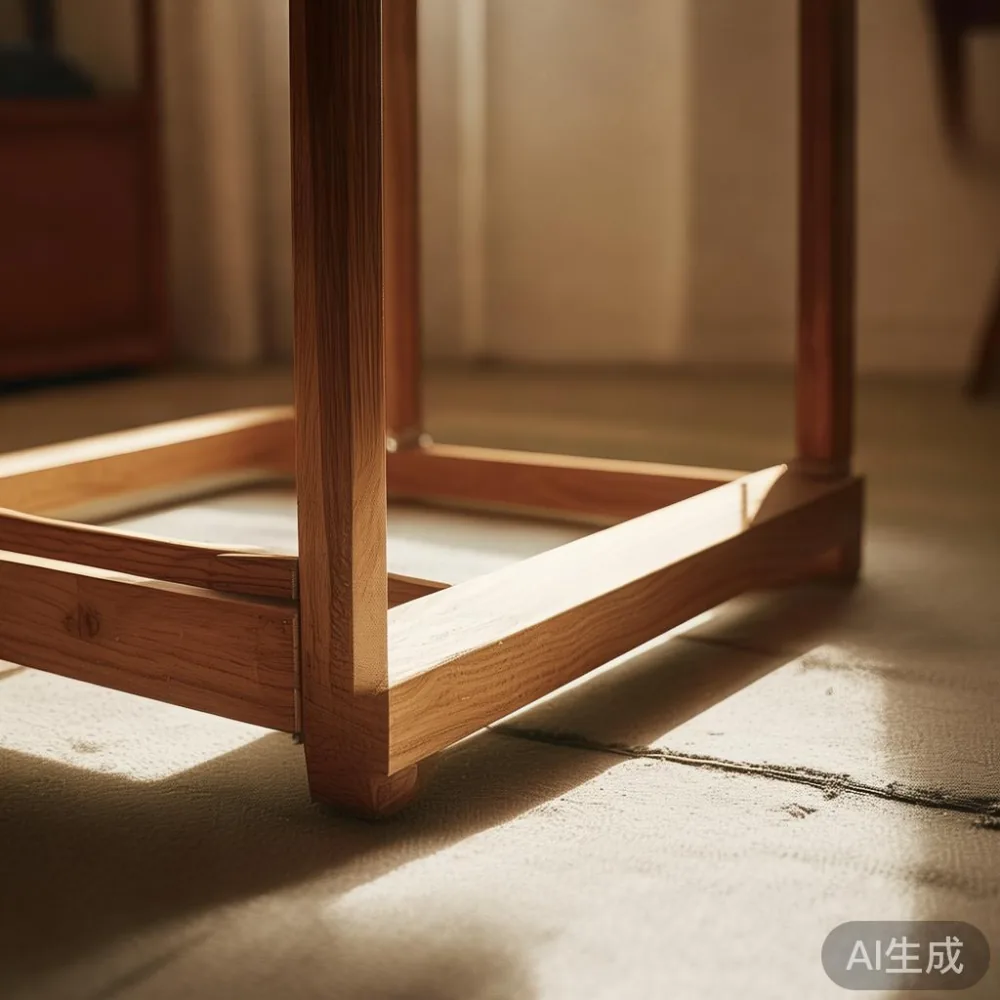
Wood naturally exchanges moisture with the surrounding air. As relative humidity rises, its fibres absorb moisture and swell; as humidity falls, they contract. Repeated cycles can loosen joints, make doors catch, and turn small components into missing parts problems. The solution is not to fear solid wood. It is to control the environment, choose sound construction, inspect deliveries promptly, and understand how tropical care differs from dry-climate care.
Why does Singapore humidity affect solid wood furniture?
Singapore regularly experiences high humidity, warm temperatures, and frequent rain. Air-conditioning reduces daytime moisture, but the change from a cool, dehumidified room to a humid corridor at night still exposes wood to movement. A kitchen or balcony can experience wider swings than a bedroom, while a condo near open landscaping may remain humid for longer periods.
Wood does not move in exactly the same way as metal or stone. Its movement depends on grain direction, panel thickness, cut, finish, and restraint from fittings. A 180 cm solid wood dining table may expand several millimetres across its width during a humid period. That sounds small, but a drawer front, door rail, or table apron needs enough working clearance to accommodate it.
Engineered wood panels used inside cabinetry can also expand across their width. However, a well-made solid wood component can usually tolerate normal seasonal variation when it is correctly dried, joined, and finished. That is why solid wood furniture should not be installed directly against tiled walls or exterior surfaces. Leave roughly 3–5 cm behind freestanding units where practical, including around a bed frame or wardrobe.
How much humidity is comfortable for wood furniture?
A practical indoor target is about 40–60% relative humidity, with only gradual changes. Brief monsoon peaks do not automatically damage furniture; frequent swings are more troublesome than a stable reading above 60%. Place a calibrated hygrometer near the furniture rather than beside an air-conditioner vent. Check it in the morning and evening for 7 days, especially in a compact HDB flat where a dehumidifier runs intermittently.
Keep stable indoor temperatures around 22–27°C where possible. Do not aim to make an old, ventilated bedroom as dry as a cold-climate room. Overly dry air can cause checking, while very damp conditions encourage mould around joints and textiles. A moderate target protects wood, fabric, mattresses, books, and electrical equipment together.
Use dehumidification only as needed. A portable unit rated for about 20–30 m² can help in a dry bedroom or study, but every appliance has its own coverage figure. Position it according to the manual, keep intake paths clear by at least 20 cm, and maintain the drainage filter. If a newly installed wardrobe is next to an external wall, prioritise air movement and case clearance rather than chasing a low number with continuous heating.
What does humidity do to a solid wood dining table?
A dining table experiences humidity through its top, edges, legs, and joints. Water rings and hot dishes add another form of moisture stress. Use trivets and coasters, including under a steaming bowl or a cold glass. Wipe spills within 5 minutes; do not let water sit overnight. Clean with a lightly damp cloth and mild soap, then dry the surface immediately.
Watch the gap between the tabletop and apron, leaf lines, and the fit of extension hardware. A stable seasonal seam is different from a deep split or a joint that is visibly separating. Move a solid wood dining table at least 30 cm from sheer curtains and exterior glazing when feasible, particularly if direct afternoon sun warms the top.
Small scratches can often be treated with matching care products, but standing water beneath a coaster is harder to manage. Do not place a fabric runner across the entire top for weeks; trapped moisture can slow drying. Rotate the runner every 2–4 weeks and inspect beneath it during humid months.
Can a solid wood sofa or bed frame develop missing parts problems?
Wood frames can lose stability when moisture enters poorly sealed joints, but upholstered failures often begin with cleaning, transport, or assembly rather than humidity alone. After delivery, check every bolt, dowel, cam lock, and leg fitting. For a solid wood sofa, allow the frame to acclimatise for 24–48 hours before removing protective wrapping if the package is damp.
A solid wood bed frame should be assembled according to the instructions and checked after 24 hours and again after 7 days. Tighten fittings only as specified; aggressive force can damage wooden threads. Keep the frame 20–30 cm from bedroom walls where space allows, and do not trap the headboard against a cold external wall. Slatted bases need even loading and should not be used as a shelf.
This is where a genuine missing parts protocol matters. Keep the original package for at least 14 days if return exposure permits, photograph all faces of the damaged component, and record the full model and batch information before contacting the supplier. Missing parts should not be “completed” with random screws of the wrong diameter or improvised timber scraps.
Which local conditions cause the most missing parts complaints?
Most reports do not prove that humidity destroyed an entire wardrobe or dining set. More often, a pre-existing tolerance, a missed fixing, an impact during delivery, or incorrect assembly becomes visible after the furniture settles. Humidity can amplify the symptom by changing dimensions and reducing joint friction.
In Singapore, a common sequence is delivery during rain, a long stay in a lift lobby or corridor, then installation in a humid room. Lift and corridor widths affect where a large item can be tilted and protected. A wardrobe sealed as flat panels may be less exposed than a fully assembled 210 cm cabinet carried through a tight turn. Measure the lift opening, landing, route, and door clearances before dispatch. A 70 cm corridor with a right-angle turn offers far less carrying room than its straight length suggests.
Leave protective wrapping in place during transit. For solid wood tables, protect corners, rails, and legs separately. If a component is missing at receipt, photograph the packaging, fittings bag, and empty spaces immediately. Keep a written inventory with quantities such as 4 table legs, 8 M6 bolts, and 12 cam locks. This makes missing parts resolution faster and avoids mismatched replacements.
How should I care for a wardrobe and nightstand in a humid bedroom?
Stand a wardrobe away from external walls by 3–5 cm where the layout allows. Do not seal the back permanently against tiles; leave ventilation paths specified by the manufacturer. Check skirting, door gaps, drawer runners, and hanging rails every 2–3 months during wet weather. A nightstand should sit on a level, dry floor and should not repeatedly rub against a wall.
Ventilate bedrooms for 20–30 minutes after showers and cooking where outdoor conditions permit. If windows face heavy traffic or noisy roads, use filtered mechanical ventilation rather than keeping every opening closed around the clock. Wipe condensation from metal handles and glass shelves promptly. Keep laundry, damp towels, and wet umbrellas away from wardrobe sides and nightstand storage.
The phrase “Italian light luxury” should describe design intent, not proof of climate performance. If you are asking whether is Italian light luxury wardrobe worth it, the answer depends on joinery, finish, hardware, ventilation, and after-sales support—not the label alone. French light luxury and American light luxury styling can work well in Singapore, but imported oak tones and pale finishes still require moisture-aware care.
Does a marble table need the same care as solid wood?
A marble table is less vulnerable to fibre movement, but it still needs sensible humidity and spill care. Stone can react to acidic liquids, while moisture at the joint between marble and its wooden or metal support may loosen fixing points. Use a neutral pH stone cleaner, avoid vinegar and lemon cleaners, and dry the surface within a few minutes. Use coasters and check underside fixings every 6 months.
A marble coffee table should not be treated as an outdoor table during a monsoon shower. If an external dining area gets wet, dry it within 30 minutes where possible. Keep the stone top from direct cooking heat and use a stable support. Compare its weight with the base: a 120 cm marble top may require several helpers and proper lifting straps, not an improvised side lift.
How do I prevent missing parts before delivery?
Measure, pack, and inspect as one connected process. For a 160 cm dining table, protect the underside and edges with foam that does not leave residue. Wrap each leg individually and label left and right if assembly orientation matters. Bag fixings only after counting them against the assembly manual. For a wardrobe, record panel labels in both pencil and photograph form so a missing part can be identified precisely.
Choose a supplier that accepts responsibility for a clear claim process. MIDHILL has supplied solid wood furniture since 2008 and exports to more than 15 countries, which is useful context, but climate fit still depends on product design and customer care. Its 10-year structural warranty is separate from accidental damage, moisture intrusion, and missing parts caused by incomplete packing. Ask for the specific document rather than assuming every finish issue is covered.
Check delivery terms before paying. A 14-day returns policy can help with eligible issues, while shipping thresholds such as free delivery over US$350 should be confirmed for the destination. Singapore prices should be stated in SGD, including GST where applicable. Delivery timing matters too: an estimated 7–14 days is not the same as a guaranteed arrival date, and a rainy collection day may require extra protection.
What should I do if furniture arrives with missing parts?
Do not force the product into service if a load-bearing leg, bed-frame fixing, wardrobe rail, or dining-table support is absent. Photograph the item, packaging, label, fittings, and installation space. Record the date, delivery address, model, quantity, and order reference. Contact the seller within the stated window, then wait for confirmation before buying a substitute component.
Keep children away from unstable furniture. A solid wood sofa with one missing fastener is not a minor inconvenience; a wardrobe that leans outward needs support. Temporary blocking should be safe and should not hide movement. If a part is damaged rather than absent, retain all packaging because transport protection may be part of the claim assessment.
How can I choose furniture suited to Southeast Asian humidity?
Ask the maker about wood species, kiln moisture control, finish type, panel movement, and hardware tolerances. Look for solid wood sofa frames, bed frames with replaceable fittings, dining tables with stable aprons, and wardrobes with ventilation clearances. A light grey luxury sofa may suit a bright Tampines room, but its wooden base should be protected from floor dampness and indoor humidity changes.
Keep the product terms grounded in use. A Modern light luxury coffee table should have a stable top and maintainable finish. A MIDHILL coffee table can be assessed by checking underside supports, corner protection, and the care instructions supplied with the model. Searches for sale Modern furniture, for sale Modern light luxury furniture, and 2026 Modern light luxury furniture should lead to design discussion first and verified construction details second.
Post-modern light luxury is useful as a visual direction: clean profiles, pale tones, restrained ornament, and natural materials. In a humid Singapore interior, the materials must still be practical. Set a nightstand 5–10 cm above a frequently damp floor if design allows, use washable finishes, and avoid placing wardrobe sides against wet balcony walls.
What if the air is humid every day?
Daily humidity calls for repeatable habits, not occasional panic. Check the hygrometer at the same 2 times each day for 1 week. Run air-conditioning or dehumidification according to the reading, wipe surfaces weekly during wet periods, and inspect moving parts every 2 months. Keep temperature changes gradual where possible; a rapid shift from a cold room to humid night air can create condensation on surfaces.
Furniture care is a small part of home maintenance. Protect the kitchen from cooking vapour, dry the bathroom after use, and keep balcony doors managed according to the weather. Avoid placing a solid wood dining table beneath an open window where rain can reach it. Give a wardrobe, bed frame, nightstand, and marble table enough clearance to breathe.
Solid wood furniture can remain useful for many years in Singapore when moisture is managed and construction is sound. Treat missing parts as a documented service issue, not as proof that wood is unsuitable. Measure the route, inspect on arrival, preserve the packaging, maintain 40–60% relative humidity as a practical target, and follow the maker’s care instructions. These simple controls protect appearance, fittings, and the long working life of the furniture.