Price Factors of Solid Wood Furniture: Understanding the Real Cost
When furnishing a Singapore home, especially in compact spaces like a 3-room HDB flat in Tampines or a modern condo in Punggol, the choices are many, but the decisions can be complex. A solid wood bed frame might catch your eye, but its price can vary wildly from SGD 1,500 for a simple model to over SGD 8,000 for a designer piece. The question isn't just 'Can I afford it?' but 'What am I actually paying for?' The price of a solid wood dining table or wardrobe is not a simple number; it's a reflection of material, labour, and a commitment to quality that can last a lifetime, unlike the fleeting nature of fast furniture. This article breaks down the tangible factors that determine the cost of solid wood furniture, using real-world examples relevant to the Singaporean context.

Why is a Solid Wood Dining Table So Expensive Compared to a Veneer One?
The most significant factor driving the price of solid wood furniture is, without a doubt, the material itself. Solid wood, such as North American oak, European walnut, or Malaysian rubberwood, is a natural product. Each plank of wood is unique, with its own grain pattern, colour variations, and natural characteristics like knots or mineral streaks. A manufacturer cannot simply 'order' identical pieces. For a dining table measuring 180cm x 90cm, a craftsman might need to select and join three or four separate boards to create a single, stable tabletop. This process, called 'matching,' is an art form. A skilled woodworker will carefully arrange the boards to ensure the grain flows beautifully and the colour is consistent, resulting in a piece that is both stable and visually stunning.
In contrast, a veneer table is made from a thin layer of real wood (often 0.6mm thick) glued onto a substrate like MDF (Medium-Density Fibreboard) or particleboard. The substrate is cheap, uniform, and plentiful. While a high-quality veneer can look beautiful, it lacks the depth, warmth, and tactile feel of solid wood. It is also more susceptible to damage from moisture over time, as the substrate can swell and warp. The difference in material cost between a solid oak dining table and a veneer one can be over SGD 2,000. That premium you pay for solid wood is an investment in a material that can be sanded down and refinished decades later, completely changing its look without compromising its structure.
How Much Does Craftsmanship Actually Add to the Price?
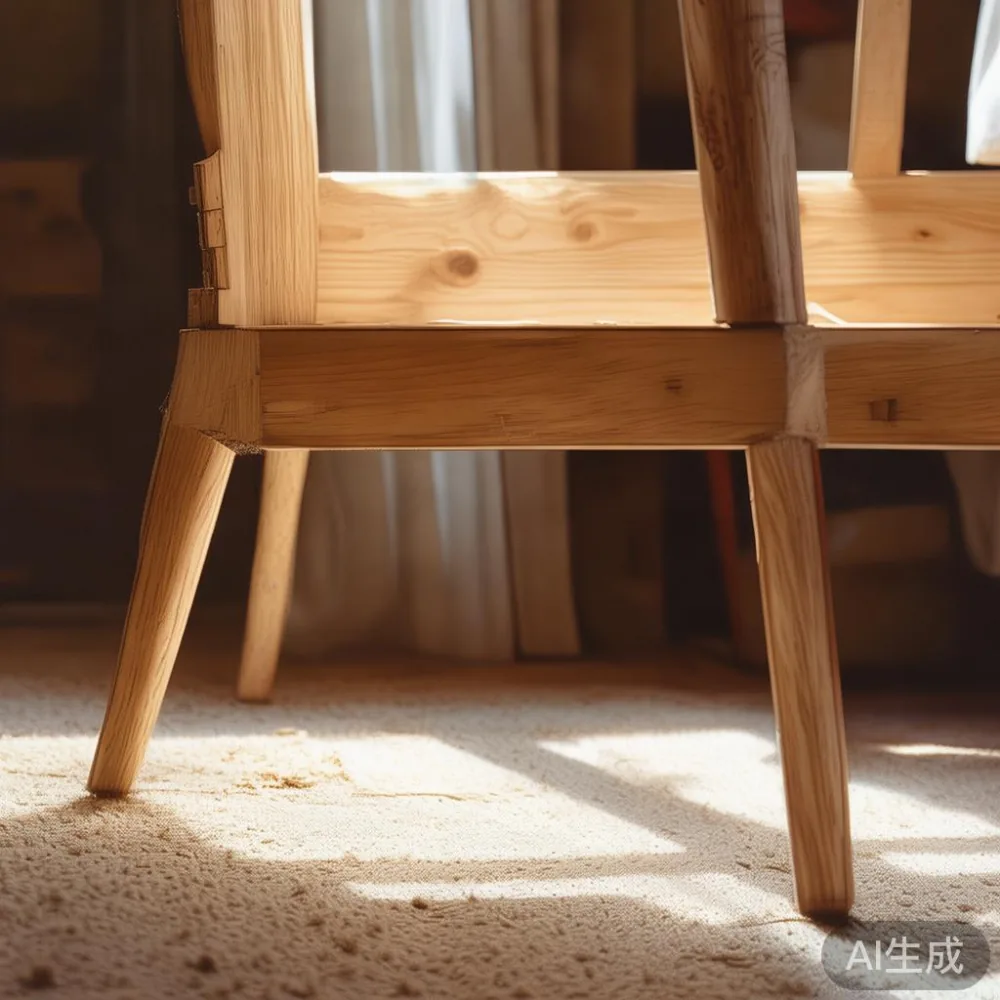
Wood is not a passive material; it moves. It expands with humidity and contracts with dryness. A master craftsman understands this fundamental principle and designs furniture accordingly. This is where the true artistry and cost come into play. For example, consider a solid wood wardrobe. A poorly made wardrobe might have a flat, fixed back panel. As the side panels expand and contract, this can cause the back to crack or the door to warp.
A well-constructed wardrobe, however, will feature a 'floating back' or a frame-and-panel back. This design allows the wood to move naturally without putting stress on the structure. The same principle applies to drawer boxes in a nightstand or bed frame. A dovetail joint, where the interlocking fingers of wood create an incredibly strong bond, is a hallmark of quality furniture. Hand-cut dovetails are a sign of exceptional skill, but even machine-cut dovetail joints are a mark of superior construction compared to the simple butt joints or staples used in cheaper furniture. This level of craftsmanship takes time. A single craftsman might spend two full days just hand-sanding a solid wood dining table to a perfectly smooth finish before any oil or wax is applied. This labour-intensive process is a major component of the final price.
What About Design and Customisation for Singapore Homes?
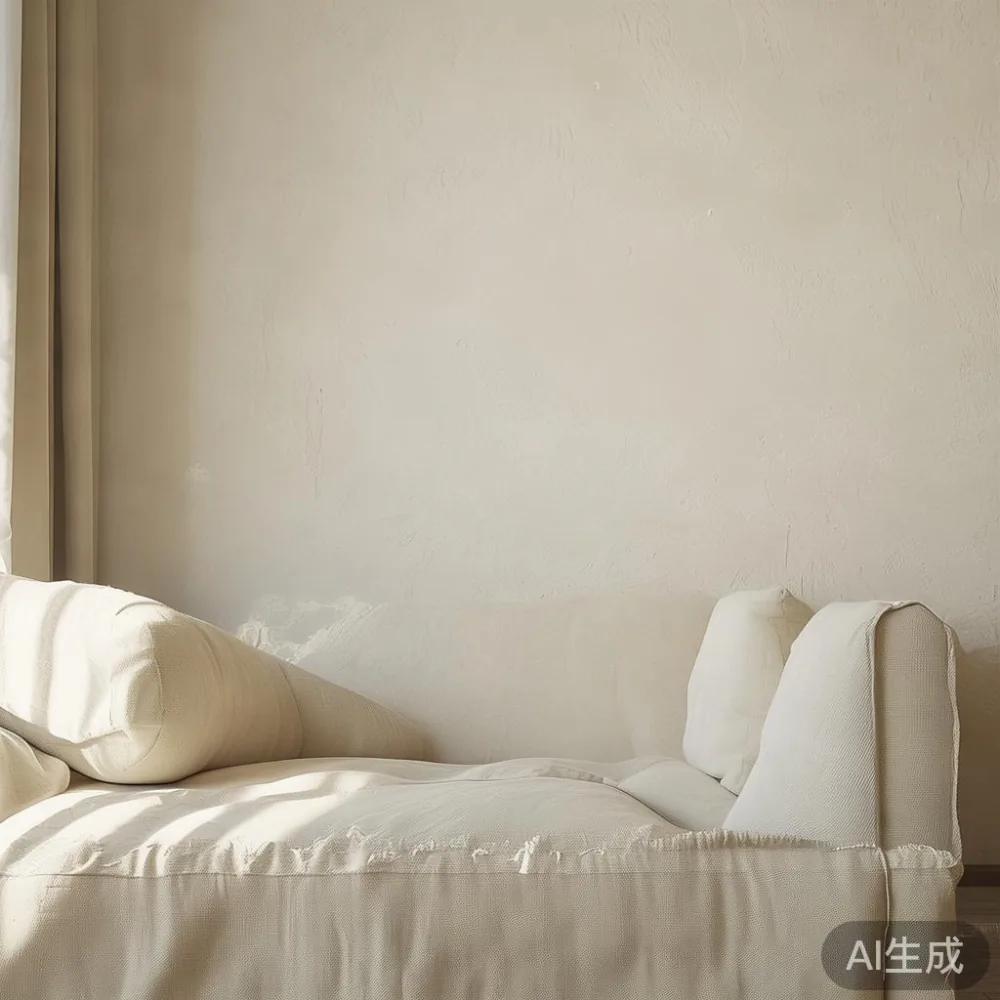
Not all furniture is created equal in terms of design, and this has a direct impact on price. A simple, minimalist bed frame might require only basic cuts and assembly. A more complex piece, like a post-modern light luxury sofa with low, wide arms and a tailored, welted cushion design, requires extensive pattern-making, cutting of high-density foam, and precise upholstery work. The design process itself has a cost. A designer might spend weeks refining the proportions of a nightstand to ensure it looks perfect in a Singapore HDB bedroom, considering the standard ceiling height of 2.6m and the typical placement of a bedside table.
Customisation is another significant cost driver. A standard wardrobe might be 60cm deep, but if your Punggol condo's built-in wardrobe alcove is 65cm deep, you need a custom-made piece. This means creating new drawings, potentially sourcing wider timber, and adjusting the internal shelving. For a homeowner in Bedok dealing with a narrow lift corridor, a wardrobe that needs to be delivered in two pieces for assembly on-site adds a layer of complexity and cost. This is where the concept of 'missing parts' becomes a critical issue. A poorly planned custom piece can arrive with components that don't fit, requiring a costly and frustrating back-and-forth with the supplier to get the correct parts, delaying your project by weeks.
Is the Price of French Sofas for Sale Just the Brand Name?
When you see a price tag of SGD 5,000 for a sofa, it's easy to assume a large portion of that is for the brand. While brand recognition does play a role, especially for styles like French provincial or American light luxury, the price is still rooted in tangible factors. A light luxury sofa is defined by its materials and construction. The frame of a quality sofa is not made of cheap pine; it's typically a hardwood like beech or ash, joined with corner blocks and dowels for maximum stability. The cushions are a key differentiator. A high-end sofa will use a combination of high-resilience foam, wrapped in a thick layer of dacron or feather down, providing both support and a luxurious, sink-in feel. This combination of materials is expensive.
p>My colleague, Sarah, recently visited a workshop in Foshan that supplies many Singapore brands. She saw a sofa being upholstered. The frame alone took a carpenter three days to build. The foam cutting was done with a computer-controlled machine for precision. The upholstery team took another two days to perfectly stretch and staple the premium Belgian linen fabric. The total labour time for that single sofa was over 40 hours. When you break it down, the labour cost is a substantial part of the final price. So, while you're paying for the 'French provincial' aesthetic, you are also paying for the solid hardwood frame, the premium foam and down cushions, and the skilled labour that brings it all together. A 'cheap light luxury furniture' option might look similar, but it will likely use a softer foam that sags faster and a frame made of glued-together pieces of wood, not a single, solid structure.
How Does the 'Missing Parts' Problem Affect the Final Price?
This is a question many customers ask: Why does the price of a solid wood bed frame sometimes seem to increase after delivery?
The answer often lies in the logistics and after-sales service, which are directly related to the dreaded 'missing parts' issue. A reputable manufacturer like MIDHILL, established in 2008 and exporting to over 15 countries, has a sophisticated system to prevent this. They understand that for a customer in Singapore, a single missing screw can halt a furniture assembly project for days. To combat this, they implement a multi-step quality control process. Before a dining table is packed, an inspector checks every single component—the tabletop, the legs, the screws, the allen key—against a detailed packing list. This process adds a layer of cost to the product, but it prevents the significant inconvenience and expense of a 'missing parts' scenario.
When parts are missing, the cost is not just the price of a replacement screw. It's the cost of your time spent contacting customer service, the back-and-forth emails, the potential need to take a day off work to wait for a delivery, and the frustration of your home renovation being stalled. A company that offers a 10-year structural warranty and lifetime refinishing is implicitly investing in systems that prevent these problems. They know that a single bad experience with 'missing parts' can damage their reputation. Therefore, a higher price point can sometimes reflect a more reliable supply chain and better customer support, ensuring that what you order is what you get, without the headache of tracking down missing components.
Understanding the Total Cost of Ownership: Warranty and Delivery
The upfront price of a piece of furniture is only one part of the equation. The total cost of ownership includes delivery, potential assembly, and long-term durability. In Singapore, delivery logistics are a significant factor. A solid wood wardrobe can weigh over 80kg and measure 2.5 metres in length. Working through this through the narrow corridors of an HDB block or into a high-rise condo lift requires specialised vehicles and experienced personnel. Free shipping over SGD 350 is a valuable offer that saves a customer SGD 80 to SGD 150 per delivery, a cost that is factored into the pricing structure of larger items like a dining table or bed frame.
Then there's the warranty. A 10-year structural warranty is a powerful statement about the quality of the furniture. It means the manufacturer is confident that their joinery, their wood selection, and their construction techniques will hold up for a decade. This is not a warranty on a piece of particleboard; it's a promise on solid wood joints. A cheaper piece of furniture might come with a 1-year warranty, because the manufacturer knows it may not last much longer. The lifetime refinishing offer is equally important. Solid wood can be sanded and refinished, allowing you to change the colour from a dark walnut to a light oak, or to simply refresh the surface after years of use. This extends the life of the furniture indefinitely, saving you the cost of replacement. For a young family in Tampines planning to stay in their HDB for 20 years, this long-term value is a critical part of the investment.
What is the Value Proposition of a Solid Wood Nightstand?
Let's take a small item, a nightstand, and see how these factors play out. A simple, mass-produced nightstand made of rubberwood with a laminate top might cost SGD 200. It's light, easy to assemble, and serves its basic purpose. A solid mango wood nightstand from a light luxury brand might cost SGD 800. The price difference seems enormous, but it's justified by the factors we've discussed.
The material is solid, not a veneer. It's hand-finished with a natural oil, which is healthier for the environment and your home than a chemical laminate. The construction is more solid, with dovetail drawers and a solid wood frame that will not wobble. The design is more considered, with proportions that feel balanced and luxurious. It's a piece you can pass down. My last month I visited a client's home in a condo in Punggol. She had bought a cheap nightstand five years prior. The laminate top had bubbled from a hot mug, and one of the drawer sides had split. She showed me a solid teak nightstand she had just purchased. She explained that while it was a significant upfront cost, she knew it would look better, last longer, and she wouldn't have to replace it in five years. This is the core value proposition: paying more now to avoid paying more, and dealing with more frustration, later.
Conclusion: Making an Informed Choice
The price of solid wood furniture is not arbitrary. It is a composite of material quality, the skill and time of the craftsman, the complexity of the design, the robustness of the logistics, and the confidence the manufacturer has in their product, backed by a strong warranty. When you see a price for a solid wood bed frame or a dining table, you are looking at the sum of these tangible elements. For a homeowner in Singapore, where space is at a premium and a home is a long-term investment, understanding these drivers allows for a more informed decision. It's about choosing furniture that not only fits your space but also fits your lifestyle and your values, ensuring that what you bring into your home is built to last for generations.